
Best Things to Do:
- 1. Giza Pyramid Complex
- 2. The Great Sphinx
- 3. Egyptian Museum
- 4. Best Tours in Cairo According to Tourist Reviews:
- 5. Khan el-Khalili Market
- 6. Mohamed Ali Mosque (Alabaster Mosque)
- 7. Abdeen Palace
- 8. Monastery of St. Anthony
- 9. Saqqara
- 10. Dahshur
- 11. Monastery of St. Paul
- 12. Papyrus Museum
- 13. Al-Azhar Park
- 14. Fort Babylon
- 15. Church of St. Mary
- 16. The Citadel
- 17. Rhoda Island
- 18. Cairo Tower Observation Deck
- 19. National Museum of Egyptian Civilizations
- 20. Pharaonic Village
- 21. Ibn Tulun Mosque
- 22. Manial Palace
- 23. The Nile
- 24. Baron Empain Palace
- 25. Museum of Islamic Art
- 26. Gayer-Anderson Museum
- 27. Sultan Hassan Mosque
- 28. Abu Serga Church (Church of the Holy Family)
- 29. Coptic Museum
- 30. Saint Barbara Church
- 31. Cairo Attractions on the Map
- 32. Best Cairo Hotels by Value
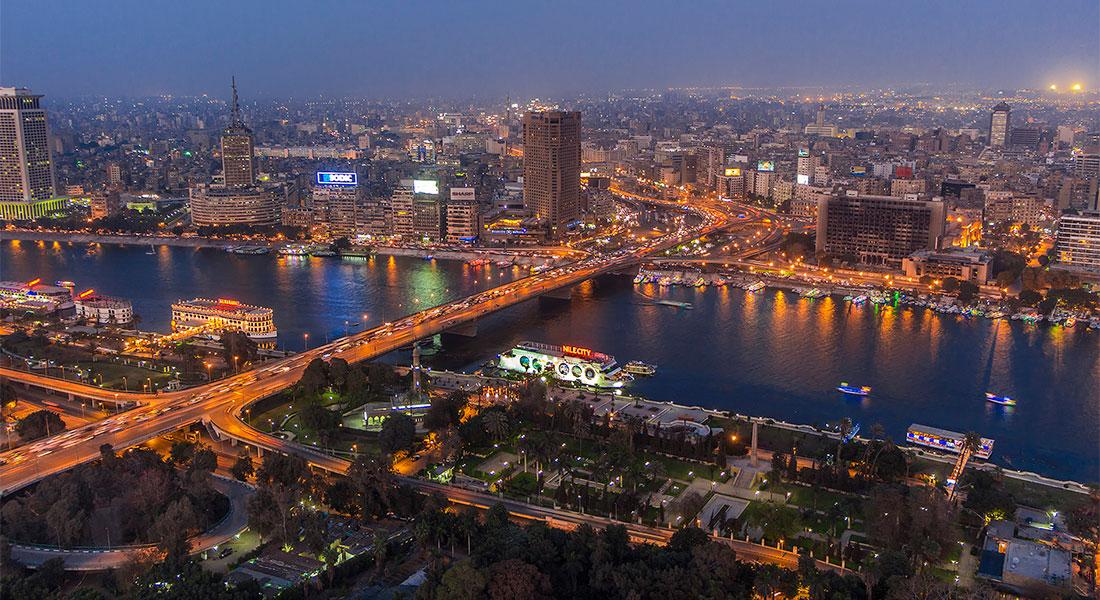
Cairo is an ancient city with a millennium of history and a modern metropolis inhabited by millions. People come here to see the mysterious Great Sphinx and the majestic pyramids, which are located very close to the urban neighborhoods.
However, the attractions of Cairo are not limited to ancient Egyptian monuments; they also include ancient mosques and Coptic temples, vibrant markets, green parks, and modern entertainment centers.
Giza Pyramid Complex

On the Giza Plateau, at the southwest border of Cairo, lies one of the most popular tourist destinations in the world. This ancient necropolis consists of three large pyramids and several smaller archaeological monuments.
Why Visit:
The three main pyramids are a must-see:
Address: Pyramids of Giza, Al Haram, Egypt.
- The Pyramid of Khufu - one of the ancient Seven Wonders of the World and the tallest structure in the complex. The height of this monumental structure, built about 4,500 years ago, is just under 139 meters. Tourists can explore the inner chambers hidden beneath the vaults of millions of stone blocks.
- The Pyramid of Khafre - the second tallest pyramid in the complex, just a couple of meters shorter than its more famous neighbor. Inside, there is also a burial chamber equipped for tourist visits.
- The Pyramid of Menkaure - a 62-meter high structure, the smallest pyramid in the complex. In ancient times, it was faced with granite and limestone and was considered the most beautiful in Giza, but the finishing has not survived to this day.
The Great Sphinx
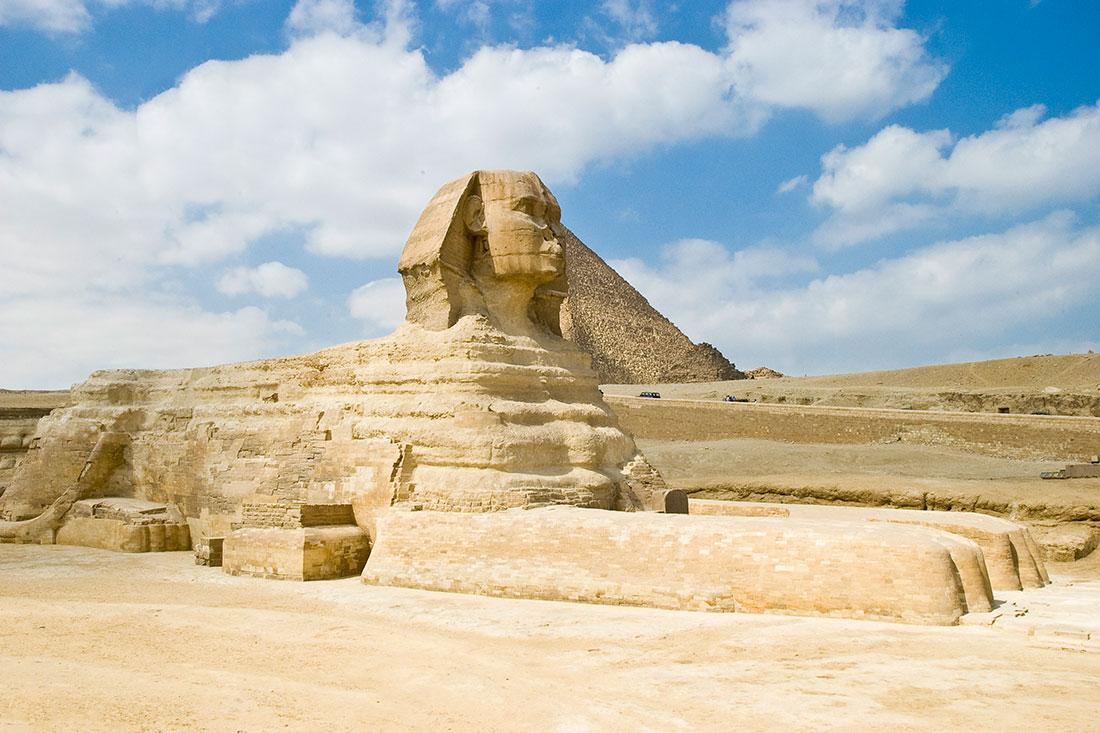
Next to the Pyramids of Giza stands another symbol of Egypt - the Great Sphinx. The origins of this monument still spark debates among historians. It is not exactly known who built it and when: possibly, the statue of a mythical creature with the head of a human, the body of a lion, and wings was erected by Pharaoh Khufu or Khafre.
Why Visit:
Visitors usually view the Sphinx together with the pyramids - organized tours can be booked, or one can explore the complex independently. The figure, made of monolithic limestone, is over 70 meters long and rises 20 meters above the desert. Tourists can take photos against the backdrop of this mysterious giant, and nearby, themed souvenirs are sold, along with horse or camel rides through the desert.
Address: Great Sphinx, Al Giza Desert, Egypt.
Egyptian Museum
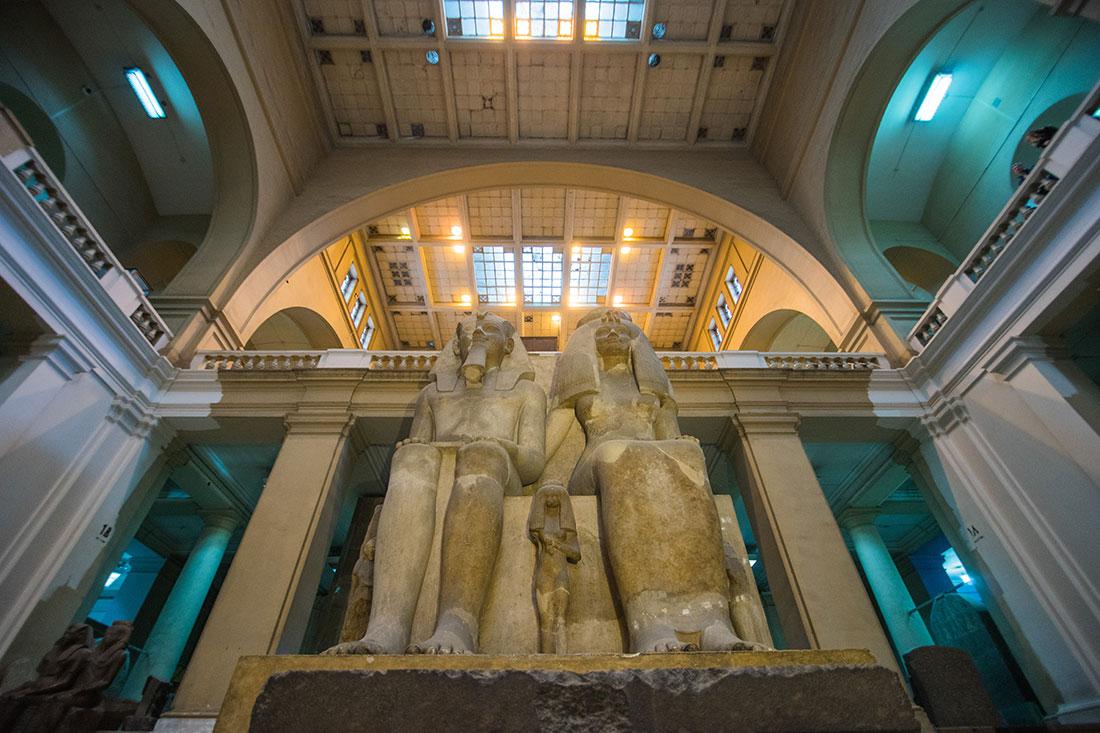
For those who prefer to learn about history in museum halls, the world-famous Egyptian Museum operates in Cairo. It is located in a large building at Tahrir Square, the city's central square. The museum was established in the mid-19th century at the initiative of French archaeologist Auguste Mariette.
Why Visit:
The museum's collections include over 150,000 artifacts, so visitors may need several days for a complete tour. Over a hundred exhibition halls display items from various periods of ancient Egyptian history.
Among them are pharaonic sarcophagi, mummies, household items, and much more. The museum's special pride is the treasures discovered in the tomb of Tutankhamun, including the gold sarcophagus of the pharaoh weighing about 110 kg.
Address: Egyptian Museum, Ismailia, Qasr El Nil, Cairo, Egypt.
Best Tours in Cairo According to Tourist Reviews:
Khan el-Khalili Market
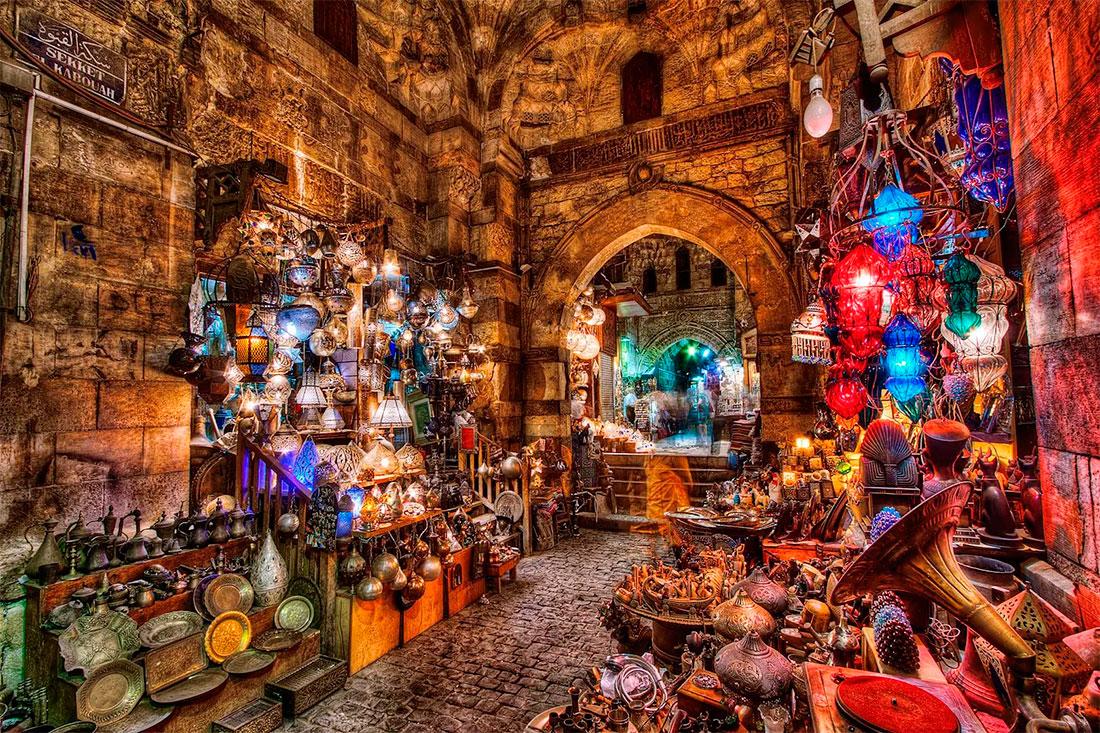
You can immerse yourself in the atmosphere of medieval Cairo at the Khan el-Khalili market. In the 10th century, several caravanserais were built here-places for trading imported goods. The market has been remodeled many times but still retains its historical charm.
Why Visit:
The market attracts many tourists, so vendors sell goods that appeal to foreigners. In shops and on open stalls, you can buy souvenirs, Egyptian-style jewelry, national clothing, spices, antiques, and more. Cafés and restaurants serve local cuisine as well.
Address: Khan el-Khalili, El-Gamaleya, Egypt.
Mohamed Ali Mosque (Alabaster Mosque)
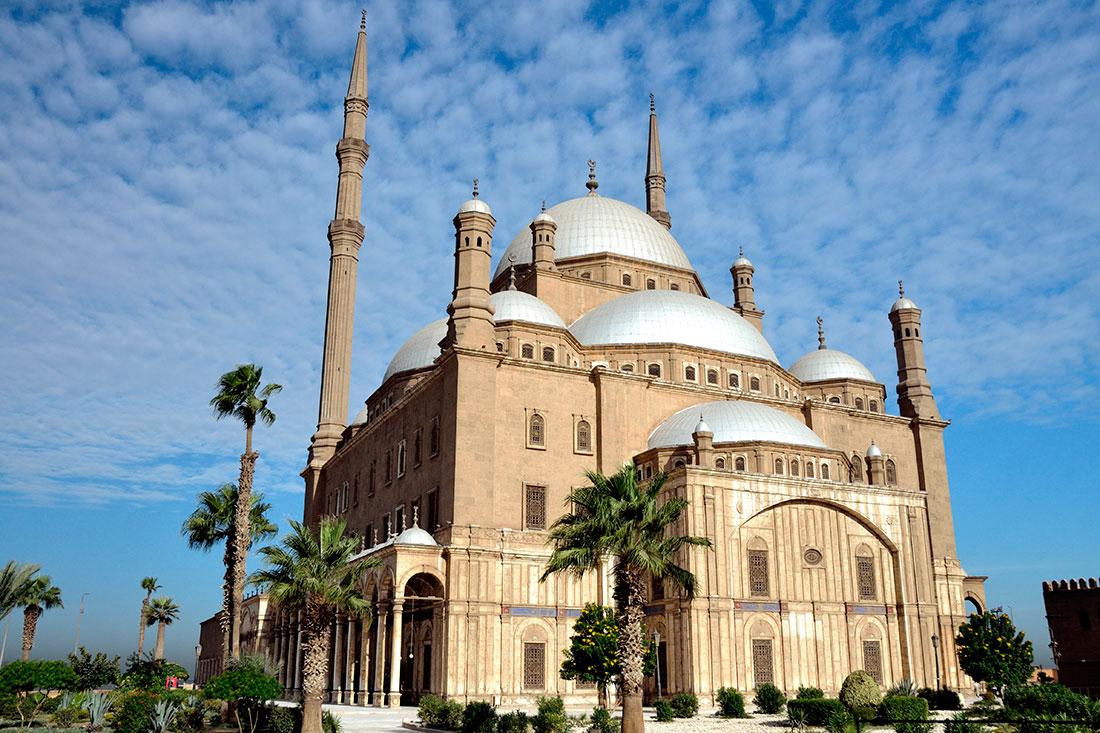
The Mohamed Ali Mosque was built in the mid-19th century and remains one of the most interesting examples of Islamic architecture in Cairo. This monumental building is located on a hilltop and dominates the area. Its walls are clad in alabaster, which is why it is also referred to as the Alabaster Mosque.
Why Visit:
The mosque differs from typical Islamic religious structures: its design clearly reflects elements of Christian Byzantine architecture and local Egyptian style. The building is topped with nine large domes, accompanied by elegant ornate minarets.
The mosque is active, but during breaks in religious services, it is open to tourists. Inside is a large prayer hall (accommodating up to 7,000 people) decorated with a fountain, carvings, and other decor.
Address: Mohamed Ali Mosque, Al Abageyah, El-Khalifa, Cairo, Egypt.
Abdeen Palace
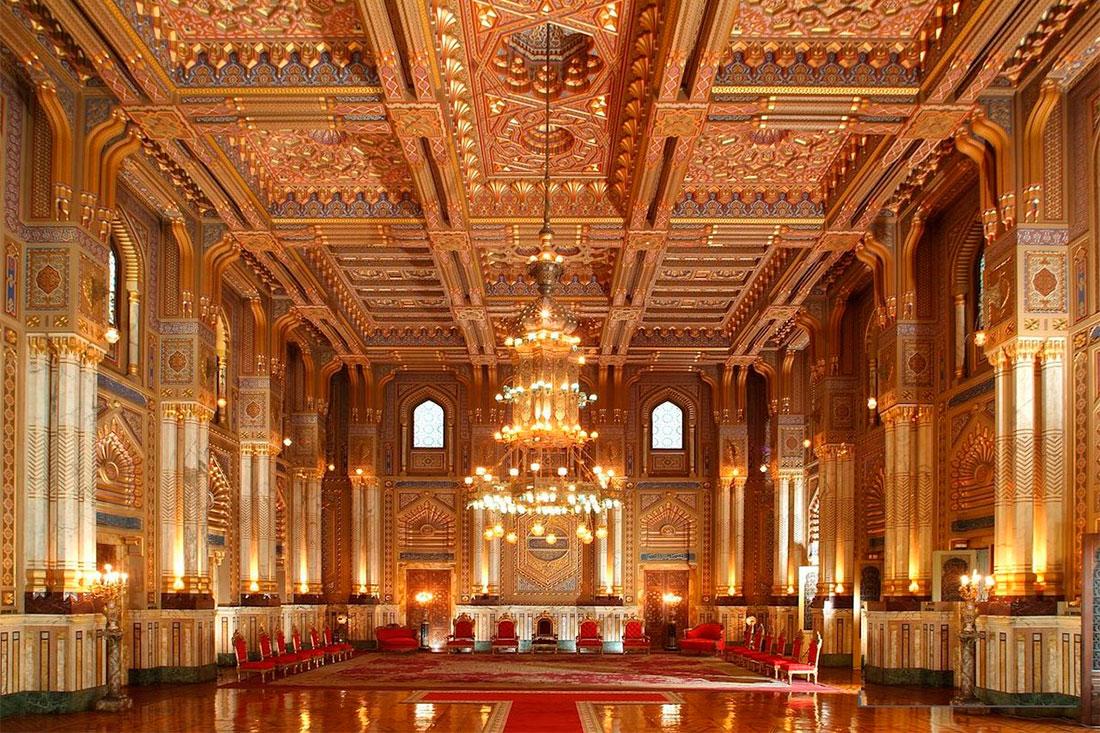
The opulent palace in eastern Cairo was built in the 1860s specifically for the royal family. The building, designed in a European classical style, was created by Frenchman Léo Russo, with decoration of the inner halls undertaken by craftsmen from various countries.
Why Visit:
Today, several museums operate in the palace - here you can see ancient weapons, jewelry, royal relics, and other exhibits. Tourists find the hall decorations particularly interesting: the palace preserves original furniture and decor. The interior is eclectic: there is, for instance, a Throne Room in Egyptian style alongside rooms in the style of French classicism.
Address: Abdeen Palace, El-Gomhoreya Square, Rahbet Abdin, Abdeen, Cairo, Egypt.
Monastery of St. Anthony
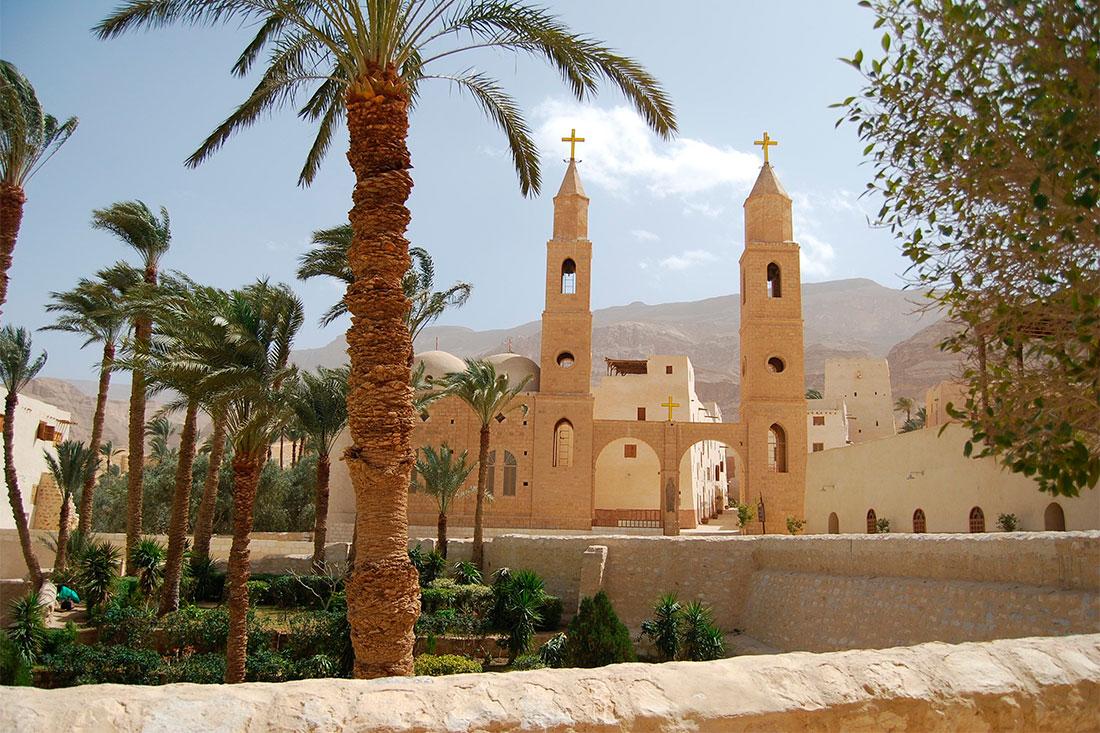
Nearly 300 kilometers south of Cairo lies one of the oldest Christian centers in the world - the Monastic Complex of St. Anthony. It was founded as early as the 3rd century AD near the burial site of St. Anthony the Great. In the 11th century, the monastery was abandoned but was soon restored by Coptic Christians.
Why Visit:
The monastery is active but can be visited by both religious pilgrims and tourists. The main structure of the complex is a church that retains 13th-century frescoes. Holy springs can also be visited - it is believed that the water has healing properties.
Tourists and pilgrims can also visit the cave of St. Anthony, which is located nearby: an altar is installed there, and religious ceremonies are sometimes held.
Address: St. Anthony Monastery, Ras Gharib, Egypt.
Saqqara
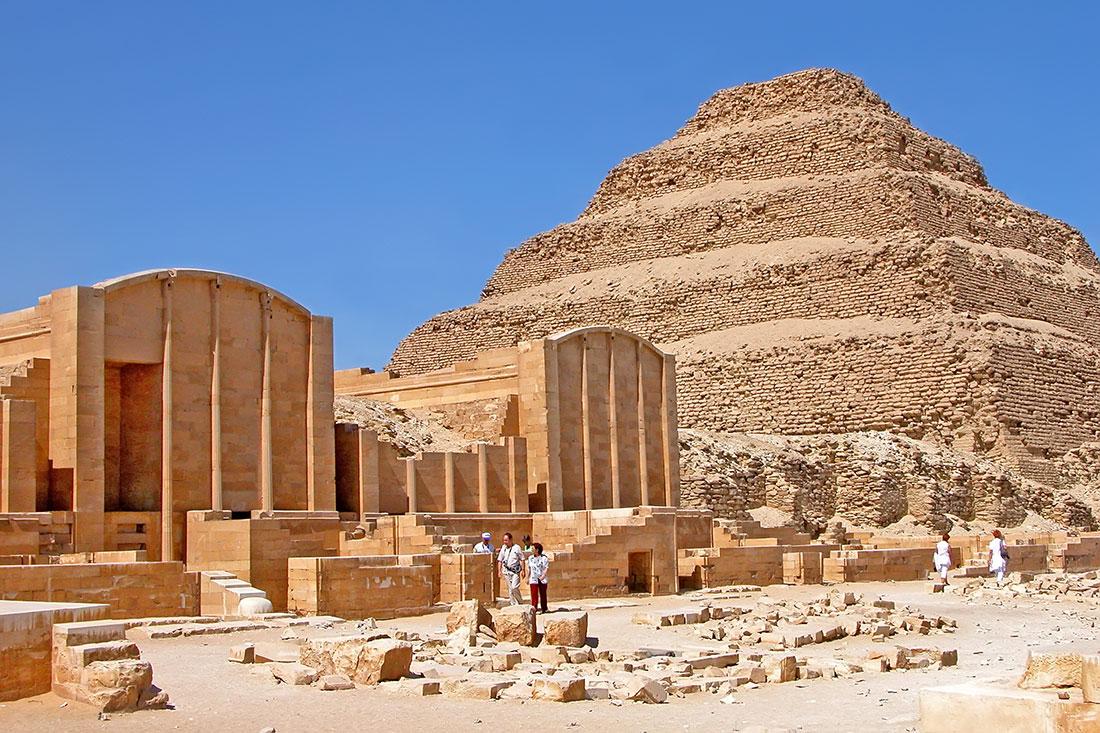
About 20 km from Cairo lies the Saqqara necropolis - a complex that includes several pyramids and other types of burials. For centuries, members of the ancient Egyptian nobility were buried here. After the fall of Ancient Egypt, the necropolis gradually became covered with sand, but in the 19th century, large-scale archaeological excavations began here.
Why Visit:
Today, Saqqara is one of the most interesting historical attractions in Egypt, although it is not as famous as the Giza complex. Here you can find:
Address: Pyramid of Djoser, Al Giza Desert, Egypt.
- The Step Pyramid of Djoser: the oldest of the 'big' pyramids, built in the 17th century BC. It has a step structure and a height of about 58 meters. Tourists are allowed inside: inner chambers can be explored with a guide.
- The Serapeum: a religious complex dedicated to the bull god Apis.
- Ancient mastabas - burial structures in the shape of truncated stone pyramids.
Dahshur
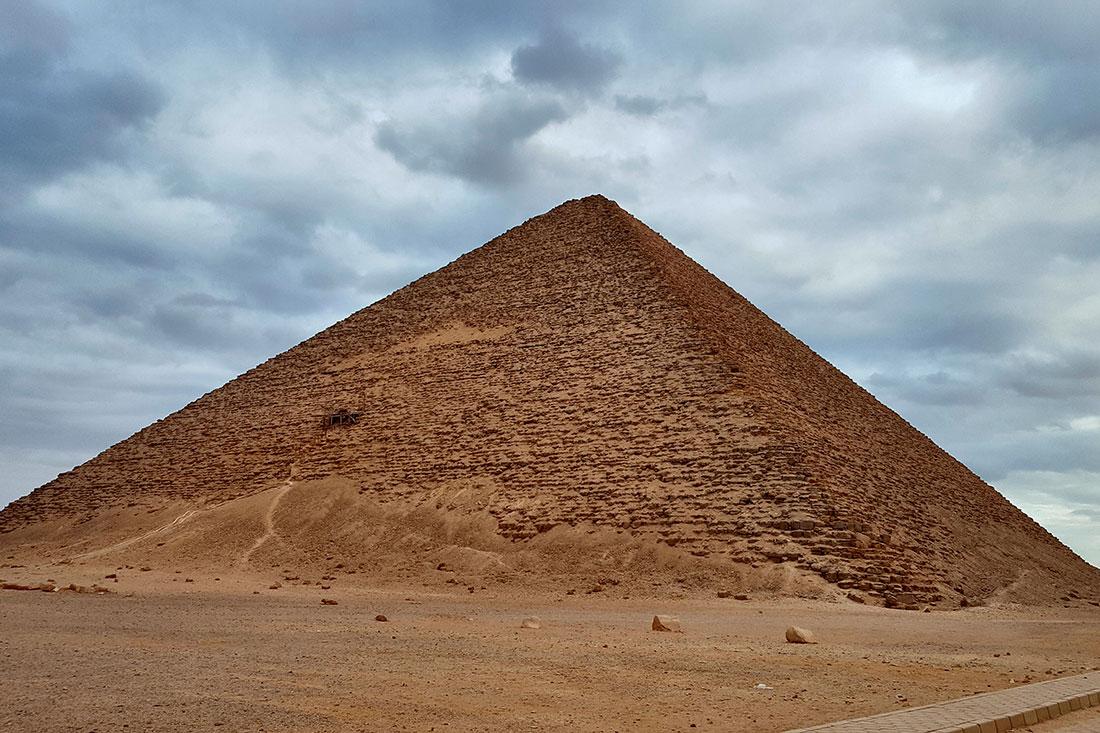
Another pyramid complex - Dahshur - is located about 25 km south of Cairo. This relatively small necropolis (about 4.5 km²) was built during the reign of Pharaoh Sneferu (26th century BC) and later dynasties.
Why Visit:
The complex includes more than a dozen pyramids, although many of them are in a state of disrepair. Two pyramids of Pharaoh Sneferu are well-preserved: the Bent Pyramid and the Red Pyramid. The former is distinguished by its unusual shape with altered angle edges - this was likely done to maintain structural stability.
The Red Pyramid is also well-preserved and is named for the hue of its limestone blocks. It is considered the first strictly pyramidal tomb in Egypt, with a height of about 104 meters.
Location: 10 km from the Saqqara necropolis.
Monastery of St. Paul
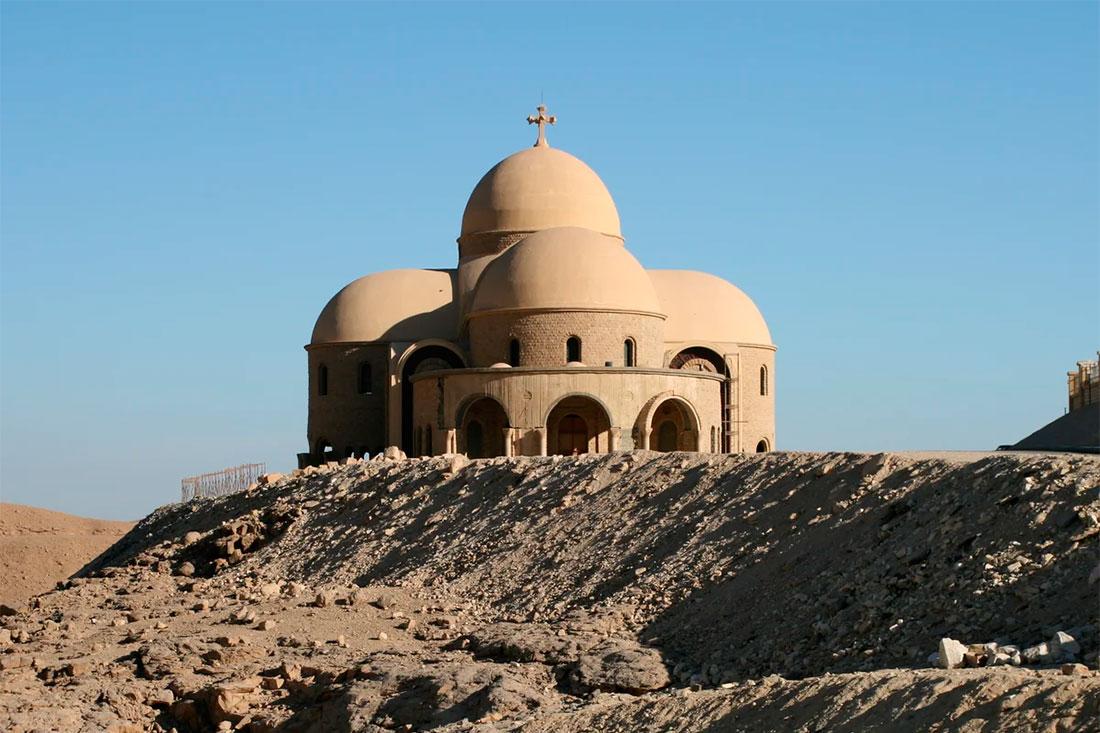
150 km southwest of Cairo, in the sands of the Arabian Desert, lies the Coptic Monastery of St. Paul. It was founded as early as the 5th century but was later destroyed. In the 17th century, monks returned to the monastery, and it remains active to this day.
Why Visit:
Tours to the monastery are organized for both pilgrims and regular tourists. On-site, you can book a guided tour, which will share the history of the monastery. Tourists are attracted by the massive walls of the monastery, which has no entrance gates: to get inside, a special lift must be used.
While visiting the complex, pay attention to the monastery tower with a drawbridge and the chapel of Archangel Michael, adorned with ancient wall paintings.
Address: St. Paul Monastery, Qism Ras Ghareb, Egypt.
Papyrus Museum
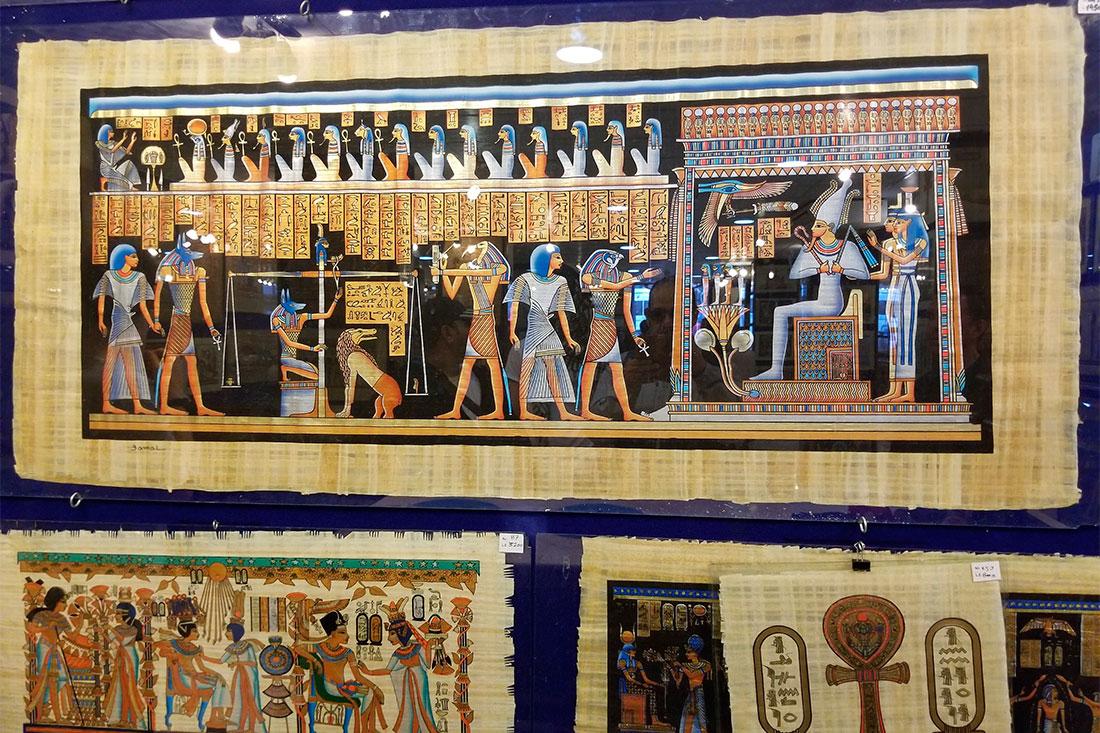
Papyrus is a type of reed that grows along the banks of the Nile, from which ancient Egyptians made a convenient writing material. Papyrus played an important role in Egyptian culture, and you can learn more about it by visiting the museum dedicated to this plant, which is located in Giza, near the pyramids and the Great Sphinx.
Why Visit:
The museum's exhibition is relatively small, but visitors can not only view papyrus scrolls and other archaeological artifacts but also participate in workshops. Here, tourists are shown the accelerated process of papyrus making. After the tour, you can visit the souvenir shop to buy something to remember your visit.
Address: Pharaonic Papyrus Museum, Nazlet El-Semman, Al Haram, Egypt.
Al-Azhar Park
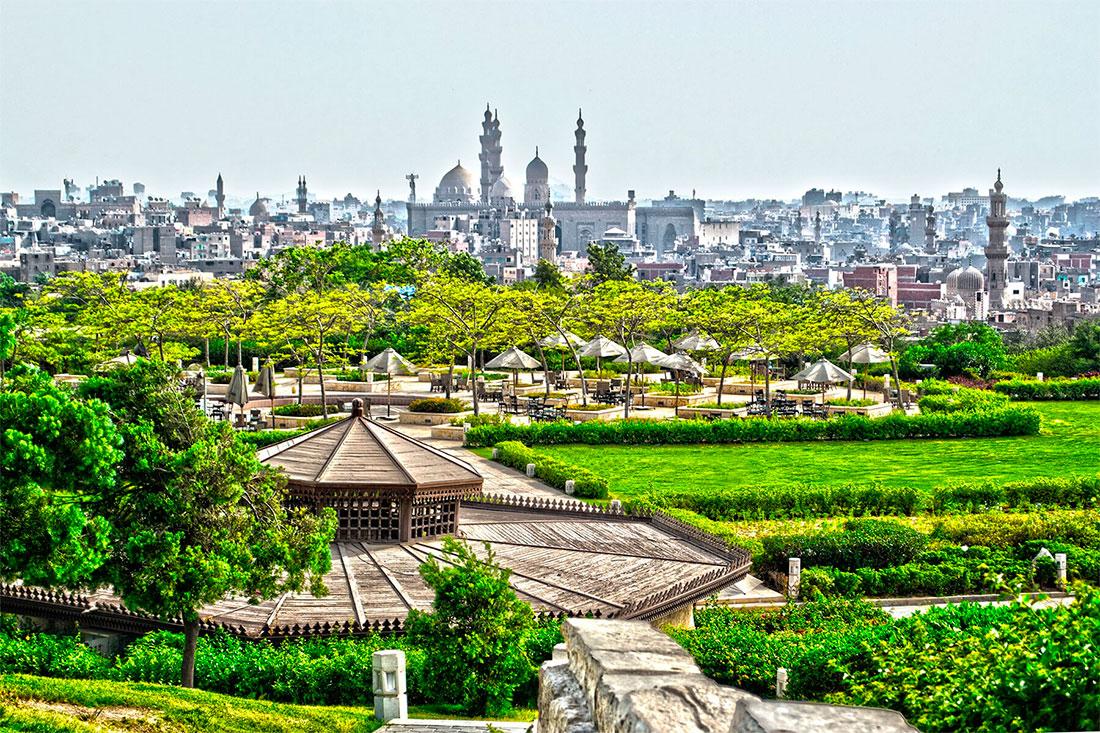
One of the new urban attractions is Al-Azhar Park, which opened in 2005. This large green space covers about 30 hectares and combines elements from various landscape design traditions.
Why Visit:
Al-Azhar is a great place for walking. It features areas planted with fruit trees, elements of Arabic terrace gardens, Persian gardens, a lake, artificial hills with viewing platforms, fountains, many walking paths, and flower beds. Additionally, there is a section of the old city wall, several cafés, children's playgrounds, and picnic areas.
Address: Al-Azhar Park, Salah Salem Street, El-Darb El-Ahmar, Cairo, Egypt.
Fort Babylon
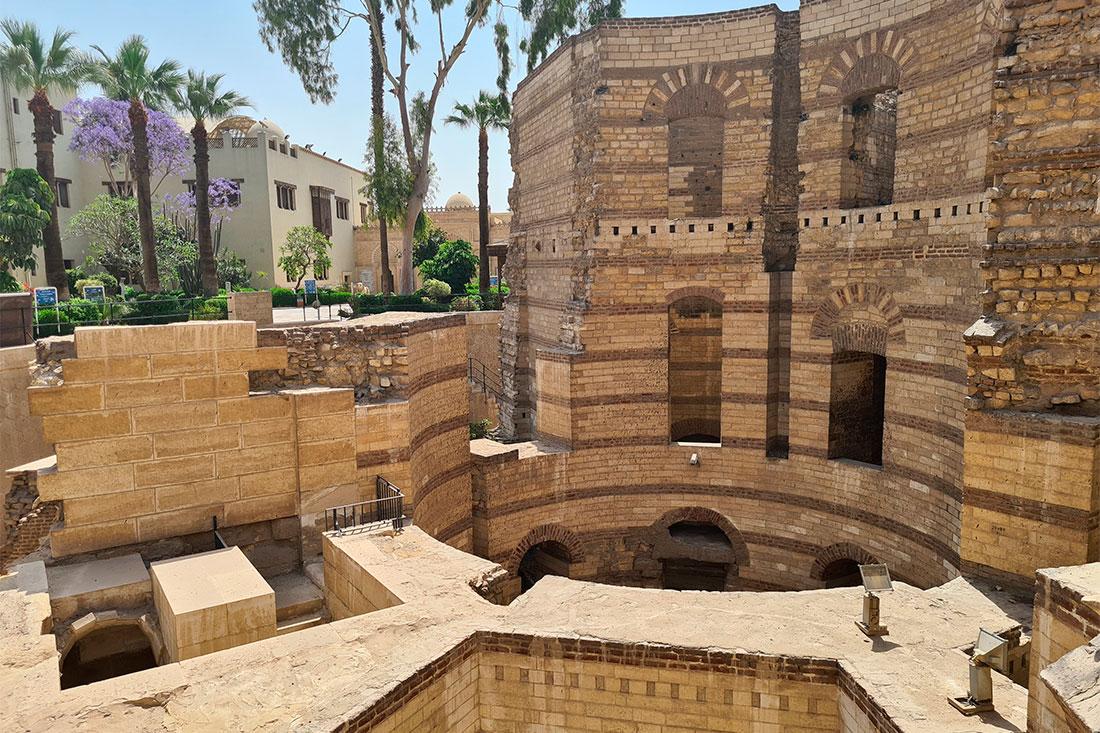
Babylon - a Persian fort on the banks of the Nile, was founded in the 6th century BC. Later, Copts settled nearby, and Roman fortification structures were built next to the Persian defenses. Today, Babylon is a historical district of Cairo.
Why Visit:
Within the fort and its surroundings, several attractions of interest to tourists have been preserved, including:
Address: Fortress of Babylon, Kom Ghorab, Old Cairo, Egypt.
- Roman defensive wall built in the 3rd century BC;
- Bastion of antiquity (diameter - over 30 meters);
- Church of St. Mary;
- Coptic Museum;
- Church of St. George;
- Numerous residential buildings and other historical landmarks.
Church of St. Mary
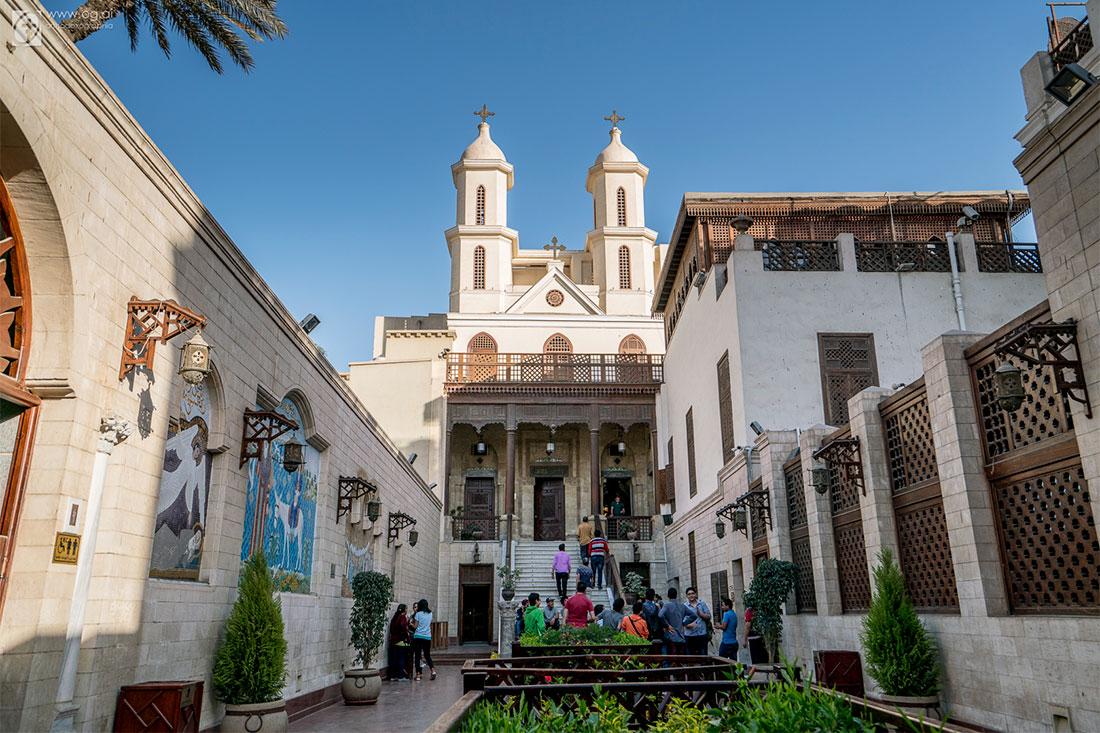
The Church of St. Mary is one of the attractions of the Coptic Quarter in Cairo, located near Fort Babylon. This Christian temple was built on a hill above one of the fort's gates, which is why it is also referred to as the 'Hanging Church.'
Why Visit:
The church is well-preserved: its architectural appearance has not changed significantly since its reconstruction in the 7th-9th centuries. It is decorated in a style typical of Coptic religious buildings: the outer walls are light and undecorated, and two bell towers crowned with crosses are located above the entrance. If you enter, pay attention to the cedar iconostasis that dates back to the 12th-13th centuries. The church also houses over a hundred icons from various historical periods.
Address: Church of St. Mary, Kom Ghorab, Old Cairo, Cairo, Egypt.
The Citadel
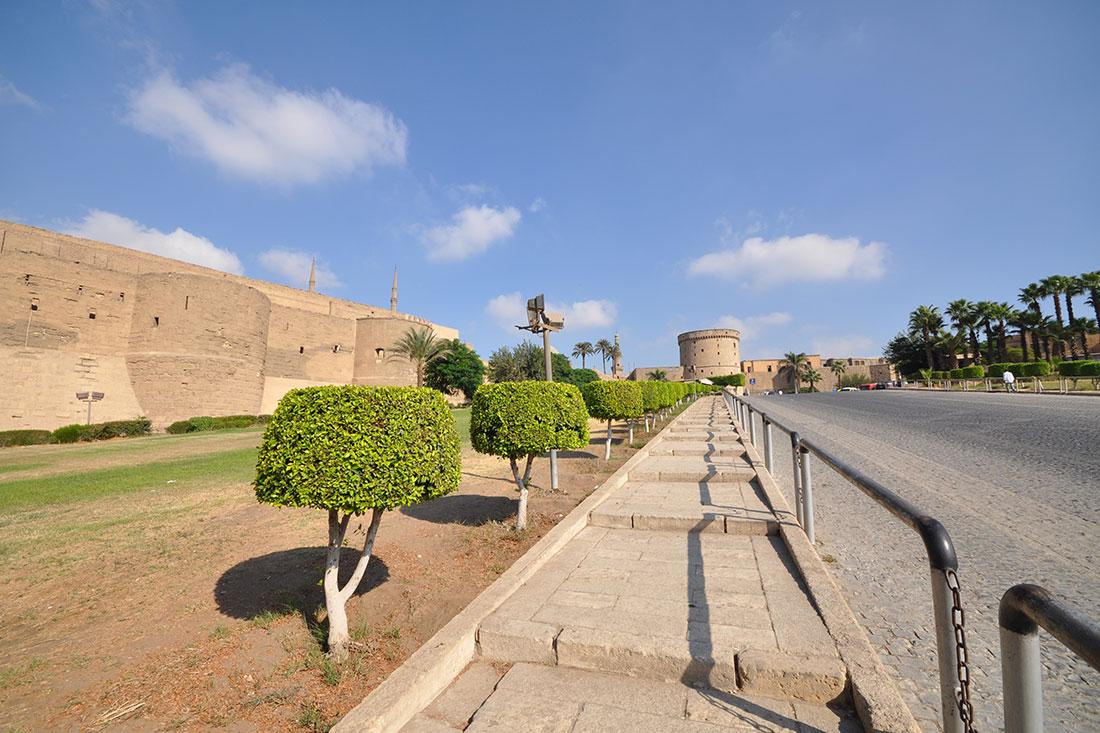
In the 12th century, Cairo faced the threat of Crusader attacks. To enable the city to withstand an enemy, the construction of a large military fortress - the Citadel - began in 1176. The massive project took many years and was completed only after 62 years. Later, the Citadel was altered and rebuilt multiple times.
Why Visit:
Today visitors can view the well-preserved defensive walls and towers of the Citadel, built from bright stone. The territory also contains the Alabaster Mosque, and several museums operate there. Tourists often visit the observation platform, which offers good views of the Cairo cityscape.
Address: Cairo Citadel, Salah Salem Street, Al Abageyah, El-Khalifa, Egypt.
Rhoda Island
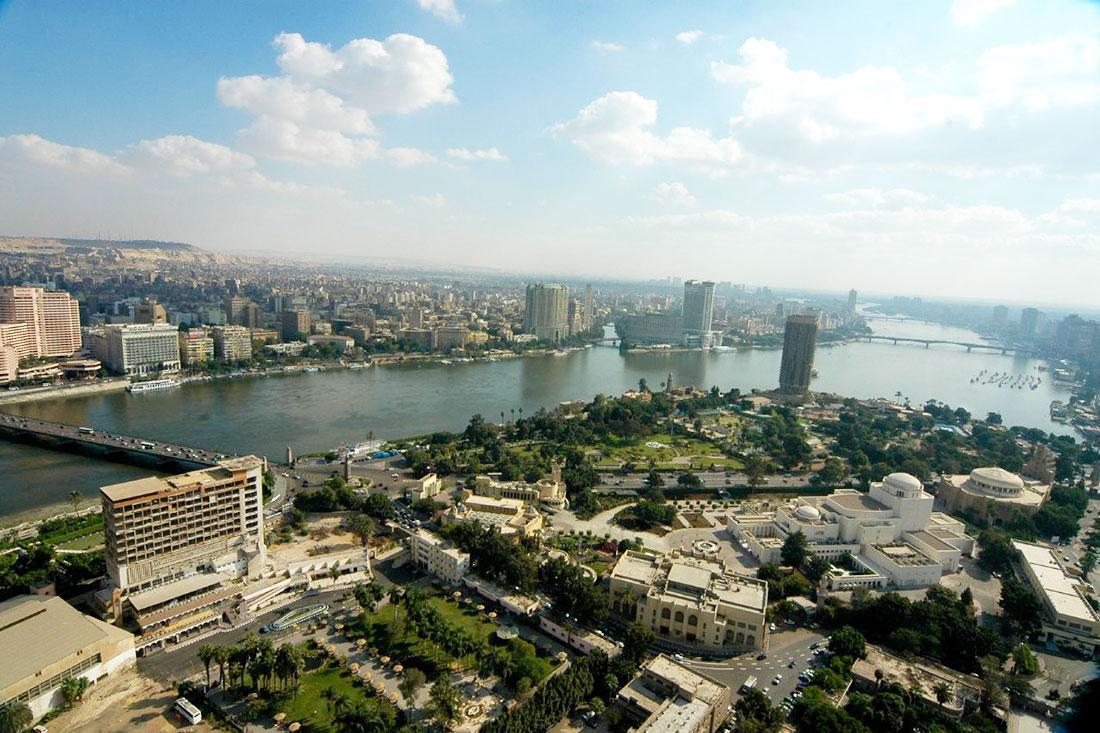
Rhoda Island is separated from the main part of Cairo by a narrow strip of the Nile, easily crossed by bridges. People lived here even during the pharaohs' period, long before the modern capital of Egypt emerged. Today the island hosts a historical district of the city.
Why Visit:
The island's main attraction is the Royal Palace, which is adjacent to a large park. Additionally, there is a nilometer - a structure that precisely measures the water level of the Nile and predicts its floods.
The structure was built in the 9th century and was actively used by local residents for over a thousand years. Access to it is still open today - although the nilometer is covered by a pavilion, much of its internal details remains in their original state.
Address: Rhoda, Al Manyal Ash Sharqi, Old Cairo, Cairo, Egypt.
Cairo Tower Observation Deck
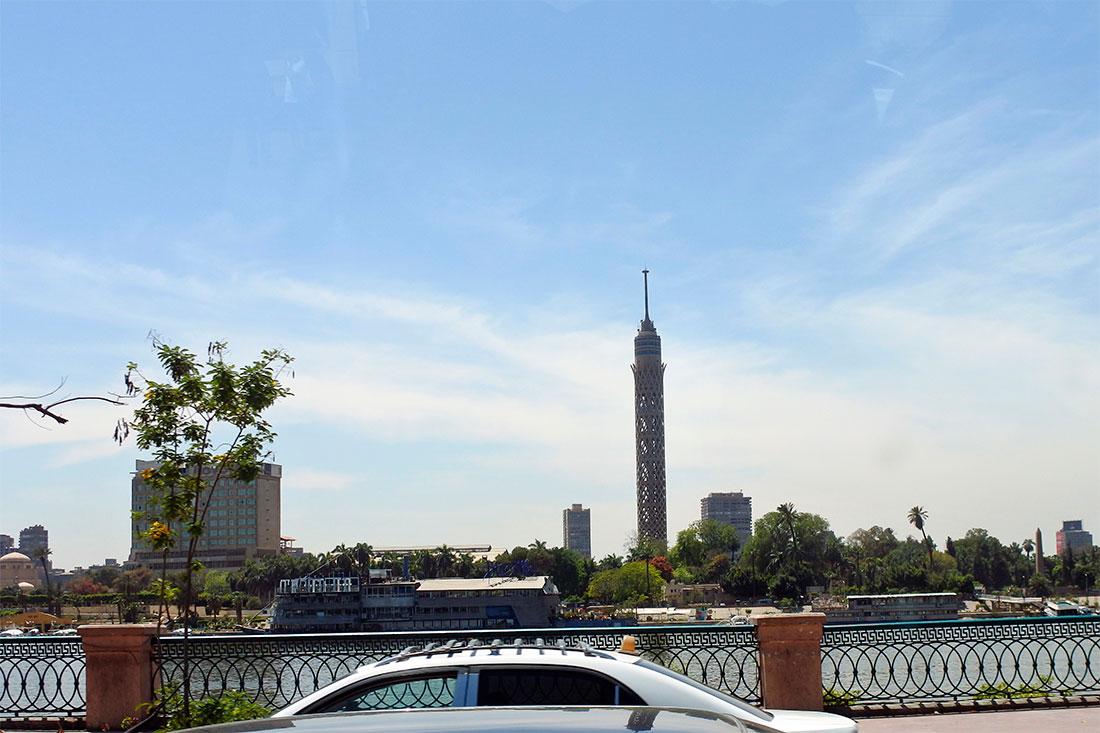
In Cairo, there are not only monuments of Ancient Egypt and the Middle Ages but also modern engineering structures. One of them is the TV tower, built in the 1950s. The 187-meter-tall building is one of the tallest in the city.
Why Visit:
At the top of the TV tower, there is an observation deck, which is the best spot to view Cairo from above. From here, the city neighborhoods and the Nile can be seen. The observation deck is open any day - it opens at 8 AM and operates until midnight. The upper part of the tower also features a rotating restaurant.
Address: Cairo Tower, Cairo Tower, Zamalek, Egypt.
National Museum of Egyptian Civilizations
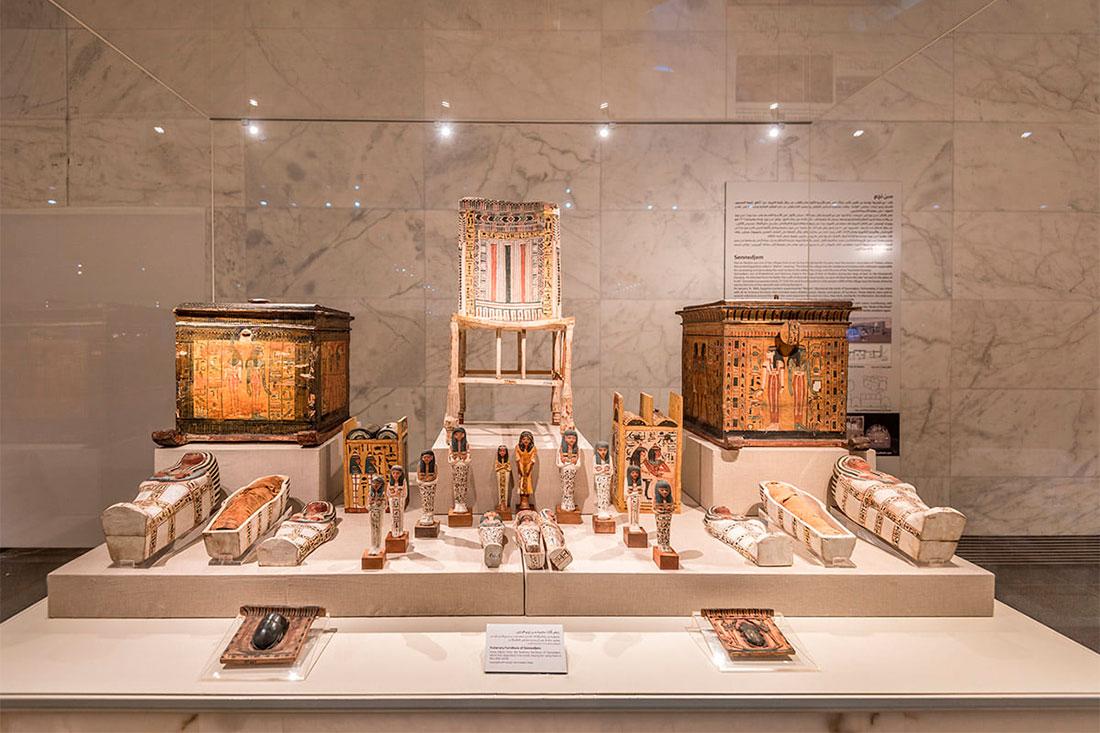
In 2017, a new museum dedicated to the history of Egypt opened in Cairo. It is located in the Fustat neighborhood - the historical center of the city. The museum was created with the participation of UNESCO experts.
Why Visit:
The museum's exhibition is divided into several parts dedicated to different periods of Egyptian history. Additionally, there are galleries focusing on local material and religious culture, the development of the Egyptian state, and writing. The museum collections already include over 50,000 exhibits, with plans for expansion.
Address: The National Museum of Egyptian Civilization, Ein as Seirah, Old Cairo, Cairo, Egypt.
Pharaonic Village
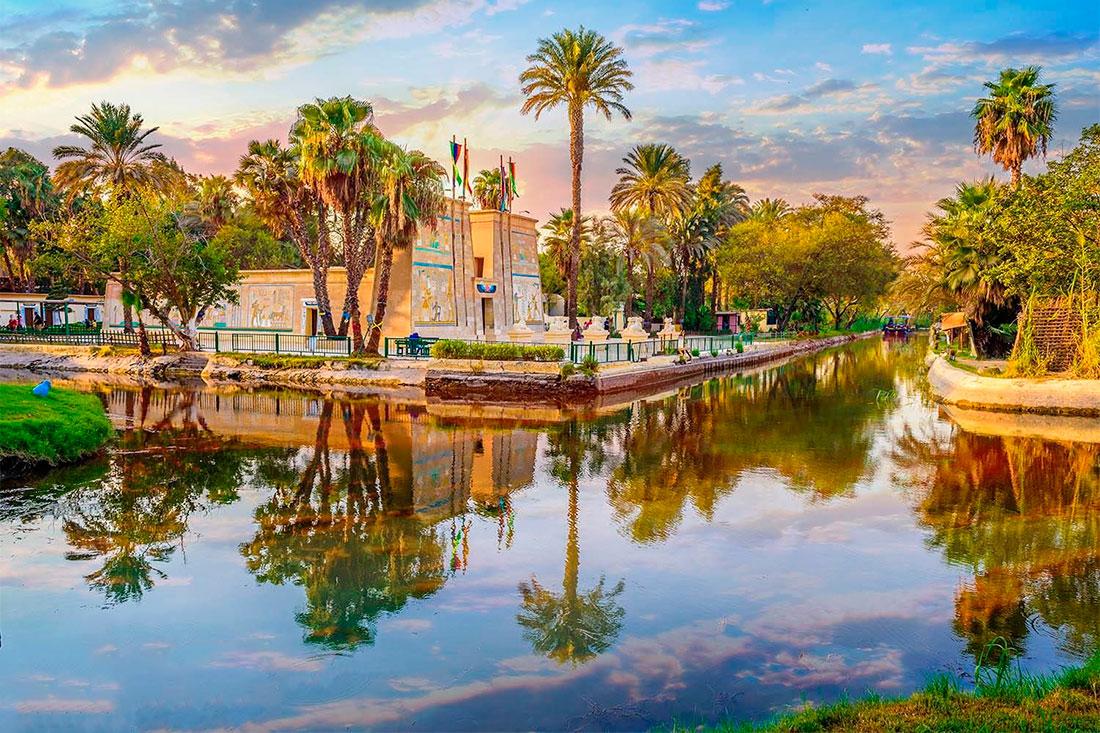
On Yahyub Island, near the Giza Pyramid Complex, there is a themed park dedicated to Ancient Egypt. Here, a settlement from the pharaonic period has been recreated over an area of about 13 hectares.
Why Visit:
Visiting the Pharaonic Village is a good option for those looking for things to do in Cairo with children. Visitors are offered boat rides around the island, stopping to watch theatrical performances about the lives of ancient Egyptians.
Then park guests can stroll through the Village and see actors in traditional costumes farming, making pottery, and recreating religious rituals. There are also several special playgrounds for children, cafés, and gift shops.
Address: Pharaonic Village, Al Bahr Al Aazam, Saqiyet Mekki, Giza District, Egypt.
Ibn Tulun Mosque
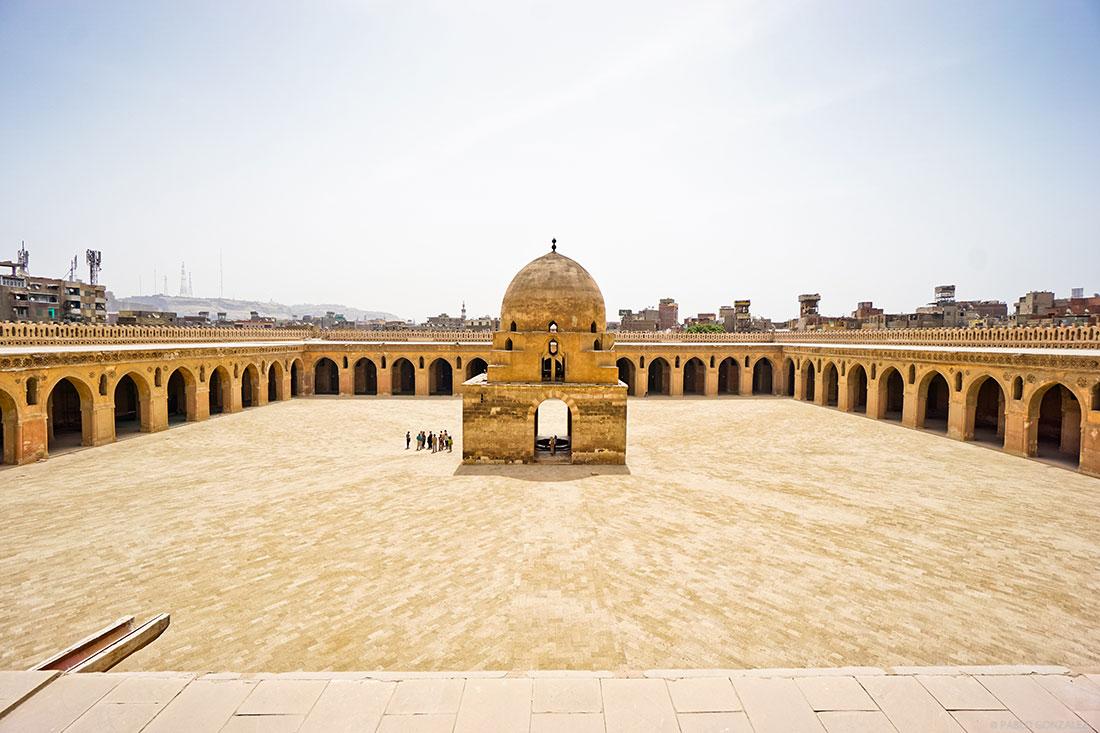
The Ibn Tulun Mosque was built in the 9th century. It is located in the Fustat area, which is where Cairo began. According to historians, Ibn Tulun is the oldest mosque not only in Egypt but in all of Africa.
Why Visit:
Today, Ibn Tulun is not only an important Islamic center but also a historical monument. The mosque is designed in the Samarran style and is adorned with decorative details and carvings. Although over a thousand years have passed since its construction, original architectural elements have been preserved here, including the mosque building with its spiral minaret and crenellated defensive wall.
Address: Ibn Tulun Mosque, Tolon, El-Sayeda Zainab, Cairo, Egypt.
Manial Palace
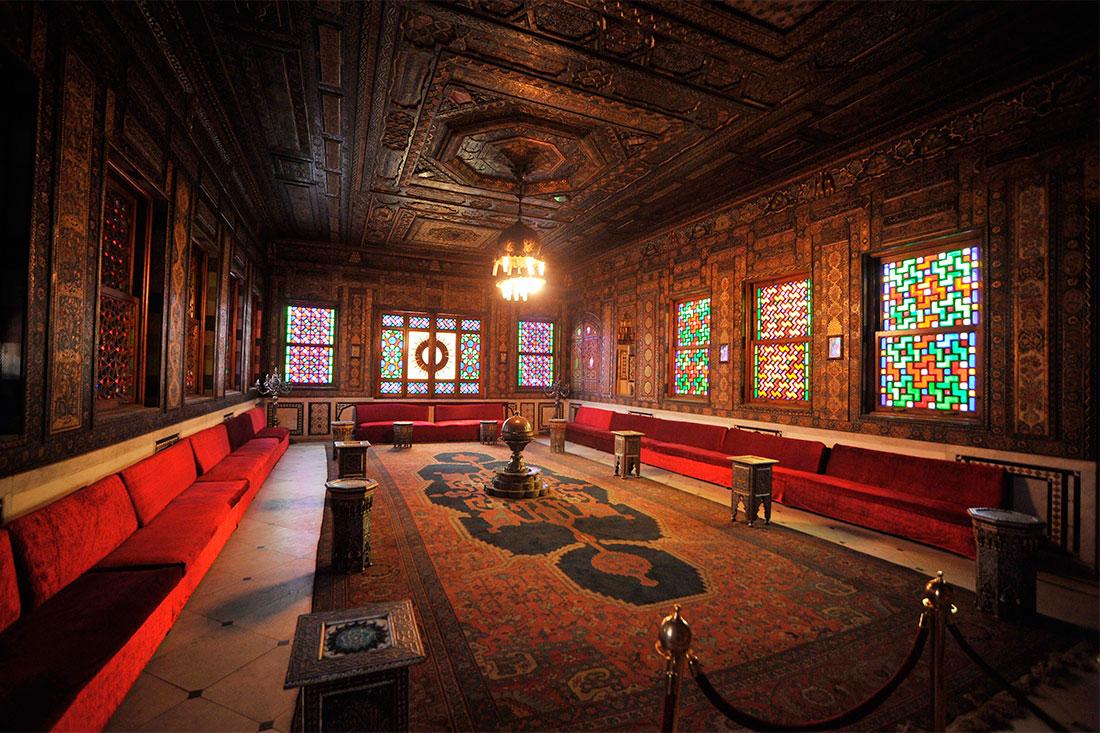
The large palace in the Manial area on Rhoda Island was built in the early 20th century. The building was intended for an Egyptian prince, but shortly after its construction, it was transferred to the state and became a museum-reserve.
Why Visit:
Tourists can view the exterior of the palace: this luxurious estate is designed in the European Art Nouveau style, with features of Eastern architecture. The interior is also accessible for visitors: strolling through, you can see elements of various interior styles - from Art Nouveau to Moorish. It also houses preserved antique furniture, artworks, ancient manuscripts, and other valuable items that have become museum exhibits.
Address: Manial Palace, Old Cairo, Cairo, Egypt.
The Nile
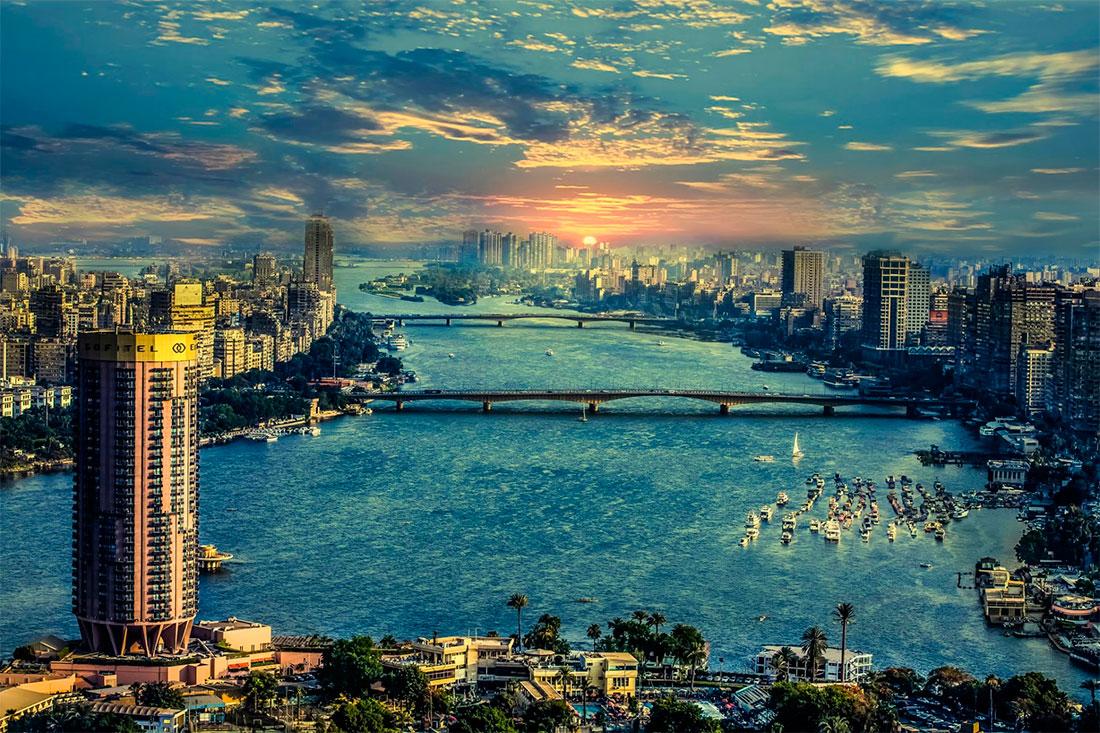
The Nile, on whose banks Cairo stands, has always played an important role in the city's life. Today it is also used for tourist purposes: one can take a ride along the river and admire the city and its surroundings.
Why Visit:
Tourists are offered boat trips on feluccas - sailboats of a special design that locals have traditionally used. Typically, they accommodate about ten people, and excursions can be arranged during the day, at dawn, or at dusk. There are also cruise ship options along the Nile - offering standard tour programs and mini-cruises with additional activities.
Baron Empain Palace
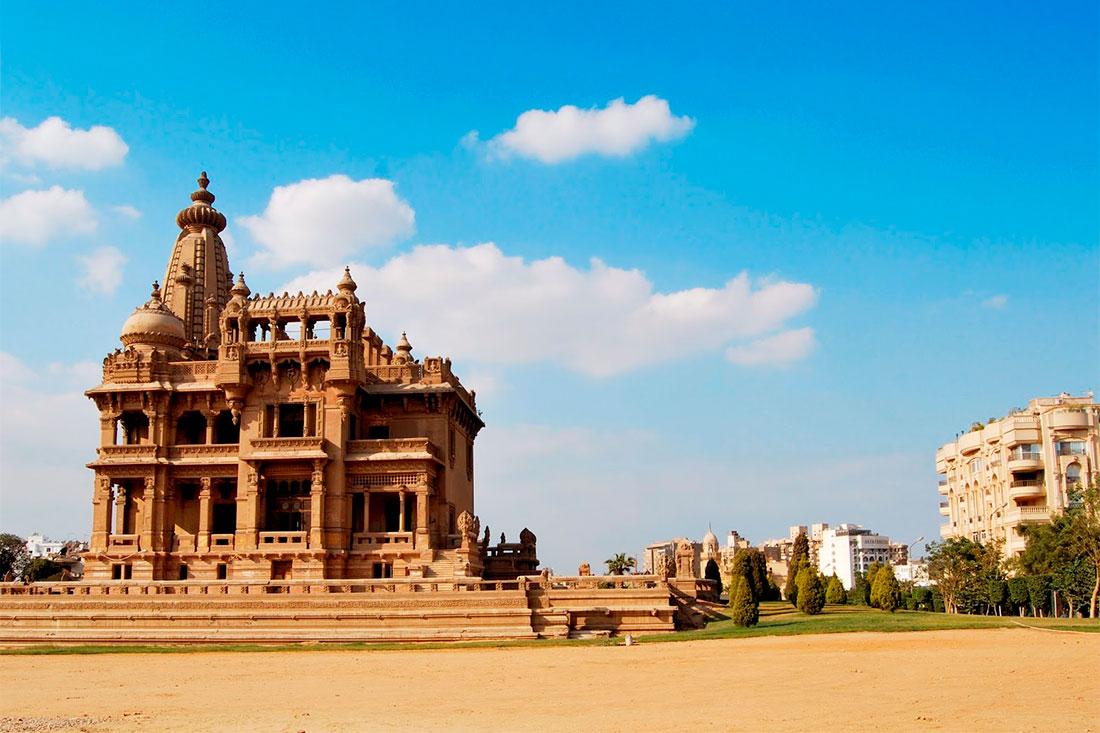
Belgian Baron Edward Empain was involved in the construction of a new Cairo district, Heliopolis, in the early 20th century. He purchased a large land plot where an unusual castle in eclectic style, reminiscent of the Cambodian temple Angkor Wat, was built.
After the baron's death, the mansion was abandoned and gained a mystical reputation: its decaying rooms were taken over by bats, and locals claimed that strange sounds came from it. In 2008, reconstruction began in the castle, and in 2020 it opened as a tourist site.
Why Visit:
For tourists, the castle features exhibition space, and outdoor events take place in the garden. Additionally, visitors can simply walk through the restored rooms of this unusual building.
Address: Baron Empain Palace, El-Orouba, El-Montaza, Heliopolis, Cairo, Egypt.
Museum of Islamic Art
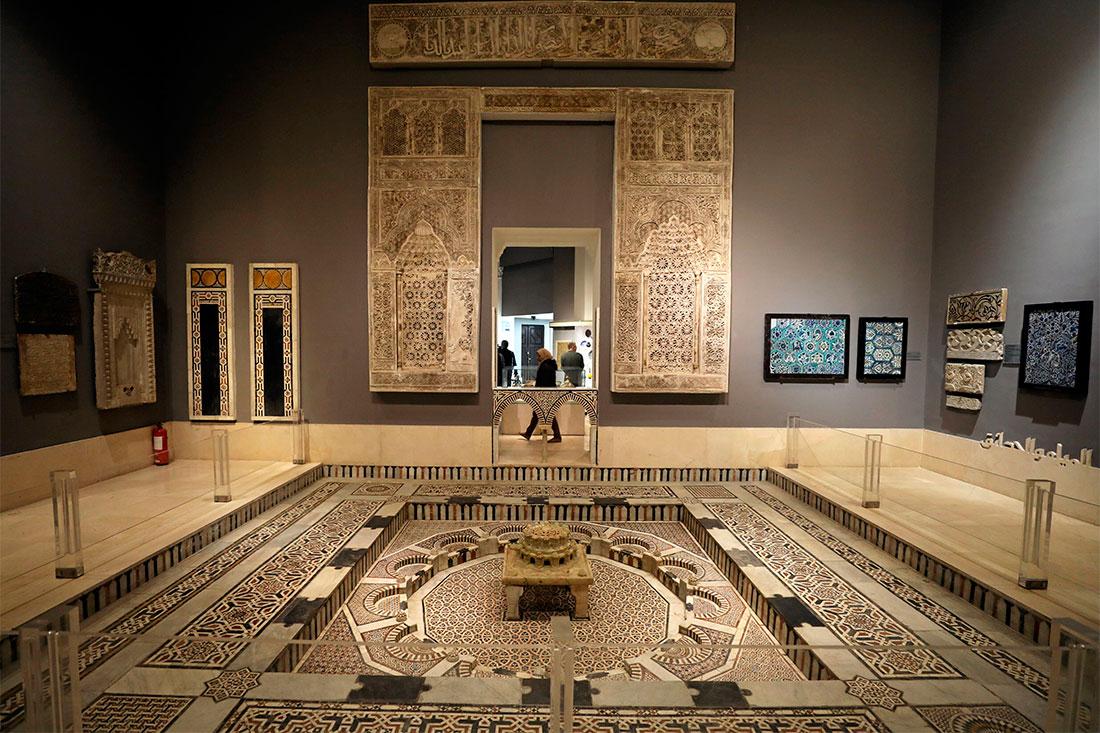
The Museum of Islamic Art has been operating in Cairo since 1881, showcasing exhibits related to the Islamic period of the city's history. In 1902 it moved to a new building specifically constructed to house the exhibition.
Why Visit:
Currently, the museum's collections total about 100,000 items, including unique historical artifacts. During the tour, visitors can see a large collection of Qurans, masterpieces of Arabic art, and architectural details. The museum's exhibits were gathered not just from various parts of Egypt but also from other Muslim countries.
Address: Museum of Islamic Art, Port Said, St., El-Darb El-Ahmar, Cairo, Egypt.
Gayer-Anderson Museum
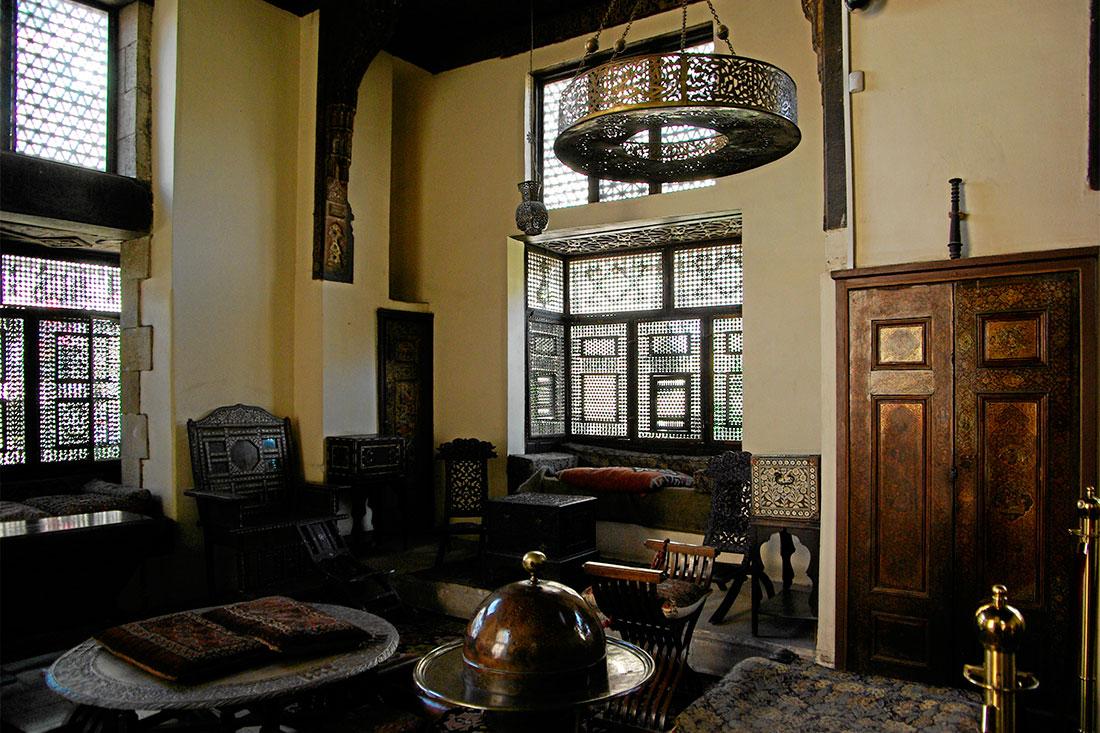
In the historic center of Cairo, there is an ancient mansion that belonged to British officer Gayer-Anderson in the mid-20th century. During his service in Egypt, the British military collected a large collection of rare artifacts and other valuables brought from different countries. Before leaving for his homeland, Gayer-Anderson donated his entire collection to the local authorities, opening a museum in the mansion.
Why Visit:
Join a tour of the museum to see rare Persian carpets, ancient Egyptian artifacts, Chinese porcelain, and many other items from different corners of the world. The museum itself is also worth a look: it is a mansion in traditional Ottoman style, adorned with lattice windows.
Address: Gayer-Anderson Museum, As Sayedah, El-Sayeda Zainab, Cairo, Egypt.
Sultan Hassan Mosque
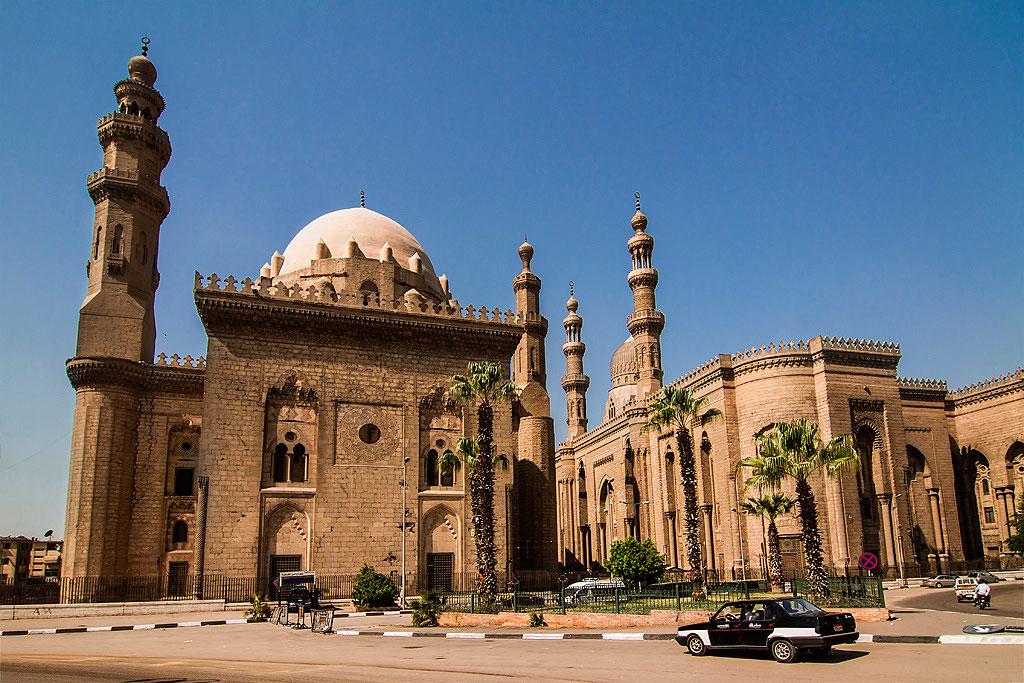
Sultan Hassan was the ruler of Egypt in the 14th century. In 1356, at his command, work began on the construction of a large mosque: it was planned to have four large minarets, but only three were eventually completed. The work on the religious complex was completed after the sultan's death, in 1361.
Why Visit:
The Sultan Hassan Mosque is one of the largest not only in Egypt but in the world. The tallest minaret rises 68 meters, and the total length of the structure is 150 meters. The exterior is finished in basalt, decorated with columns, bas-reliefs, medallions, and decorative windows.
Elements of Byzantine style are visible in the design. Tourists can also tour the mosque's interior: the rooms are decorated with carved stone, marble columns, mosaic fabrics, and paintings.
Address: Sultan Hassan Mosque, El-Darb El-Ahmar, El-Khalifa, Cairo, Egypt.
Abu Serga Church (Church of the Holy Family)
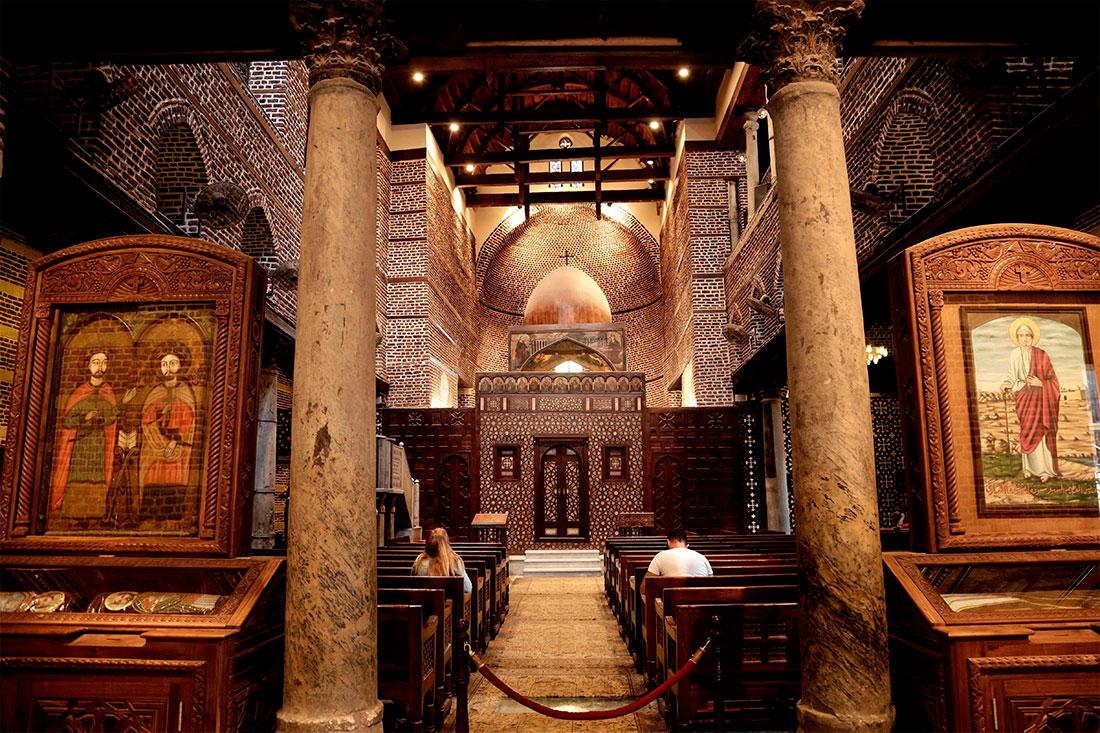
The Abu Serga Church was built in the 5th century AD. The location was chosen not by chance: it is believed that Mary and Joseph hidden with the infant Jesus from the soldiers of King Herod. Having endured more than one and a half thousand years, the temple is considered one of the most important Christian shrines in Cairo.
Why Visit:
Although the church has undergone several reconstructions, it has largely preserved its original appearance. The building has the distinctive look of early Christian temples with symmetrical side chapels. The architecture of the church is complemented by columns.
Abu Serga is not only a tourist site but also a pilgrimage destination. Beneath the temple lies a cave where, according to legend, the Holy Family took refuge. It also holds the relics of Christian saints - Sergius and Bacchus.
Address: St Sergius and St Bacchus Church, Mari Gerges, Kom Ghorab, Old Cairo, Cairo, Egypt.
Coptic Museum
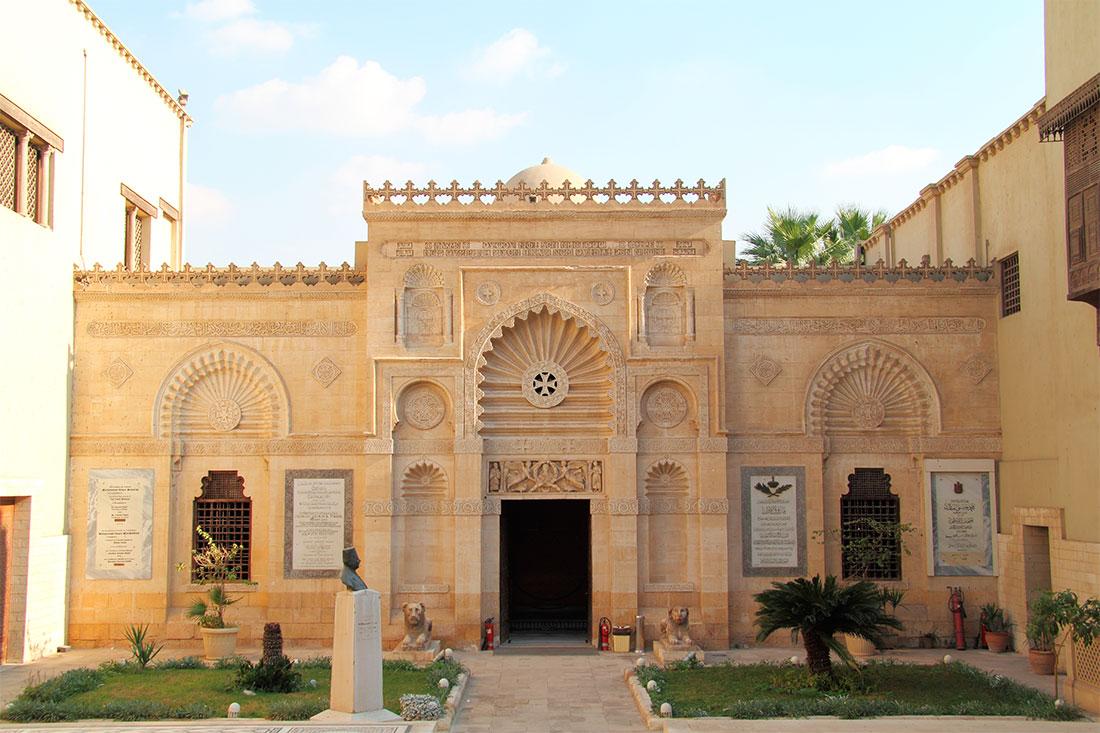
Copts are a large ethnic group that directly descends from ancient Egyptians and has always played an important role in the Egyptian state. The country's Coptic population continues to practice an ancient branch of Christianity amidst centuries of Islamization. The Coptic Museum's exhibits are dedicated to the history and culture of this unique ethnicity.
Why Visit:
The museum has been operating in Cairo since 1910. Today, its collections consist of over 15,000 individual artifacts, and three dozen halls are open to visitors. During a tour, you can see icons, frescoes, and church utensils, as well as get acquainted with Coptic culture: there are historical documents, books, tapestries, and many other exhibits.
Address: Coptic Museum, Mari Gerges, Kom Ghorab, Old Cairo, Cairo, Egypt.
Saint Barbara Church
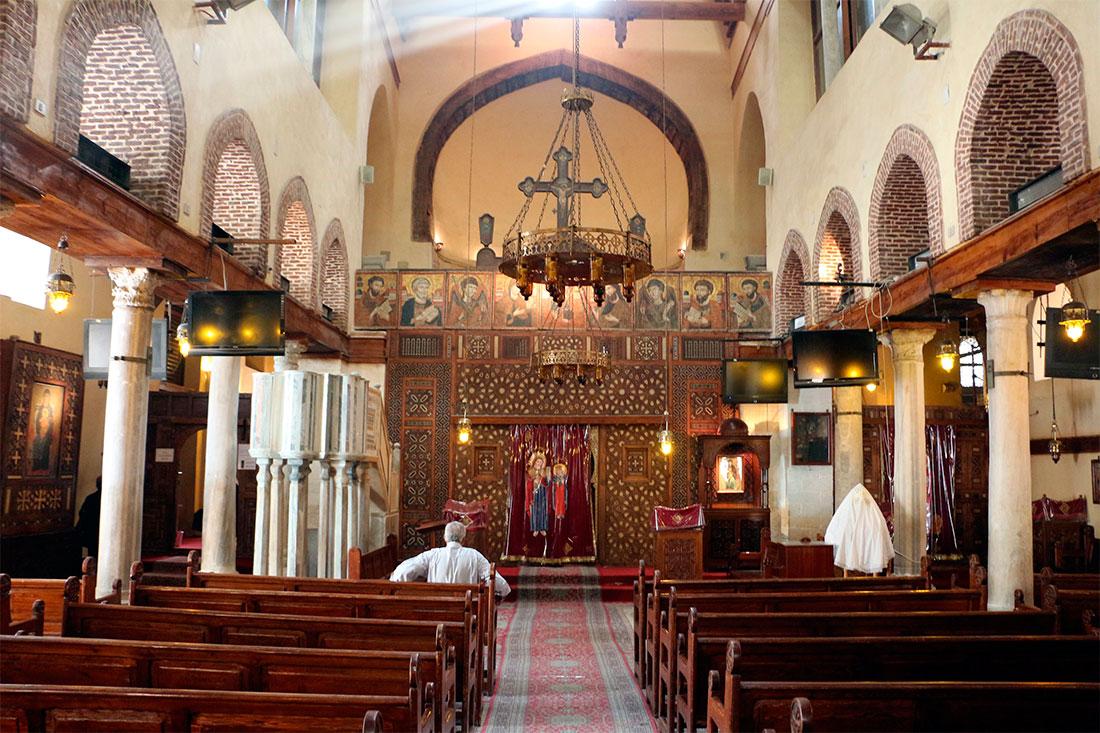
The ancient Church of Saint Barbara dates back to the 5th-6th centuries. It is located near the Coptic Museum on the grounds of Fort Babylon. The building has survived several earthquakes and fires, having been repeatedly repaired and rebuilt, yet it is in good condition today.
Why Visit:
The church can be visited during a tour of the Coptic Quarter. Pay attention to the traditional architecture of the temple, which resembles Abu Serga Church in style. The interior is also interesting: although some valuables were transferred to the Coptic Museum, antique icons and decorative elements are still preserved here.
Address: Saint Barbara Church Complex, Kom Ghorab, Old Cairo, Egypt.