
- 1. Cetinje Monastery
- 2. Church of the Nativity of the Blessed Virgin
- 3. Monument to Ivan Crnojević
- 4. Best Tours Visiting Cetinje According to Tourist Reviews
- 5. National Museum of Montenegro
- 6. Museum of King Nikola I
- 7. Ethnographic Museum of Montenegro
- 8. Billiards Residence
- 9. Palace Square
- 10. Relief 3D Map
- 11. Vlaška Church
- 12. Montenegrin Royal Theater Zetski dom
- 13. Blue Palace
- 14. Museum of Money
- 15. Lipa Cave
- 16. Lovćen National Park
- 17. Blacksmith Bogdan
- 18. Pharmacy
- 19. Neguša Street
- 20. Women's Gymnasium
- 21. Former Russian Embassy
- 22. Former French Embassy
- 23. Djukanović Palace
- 24. Attractions of Cetinje on the Map
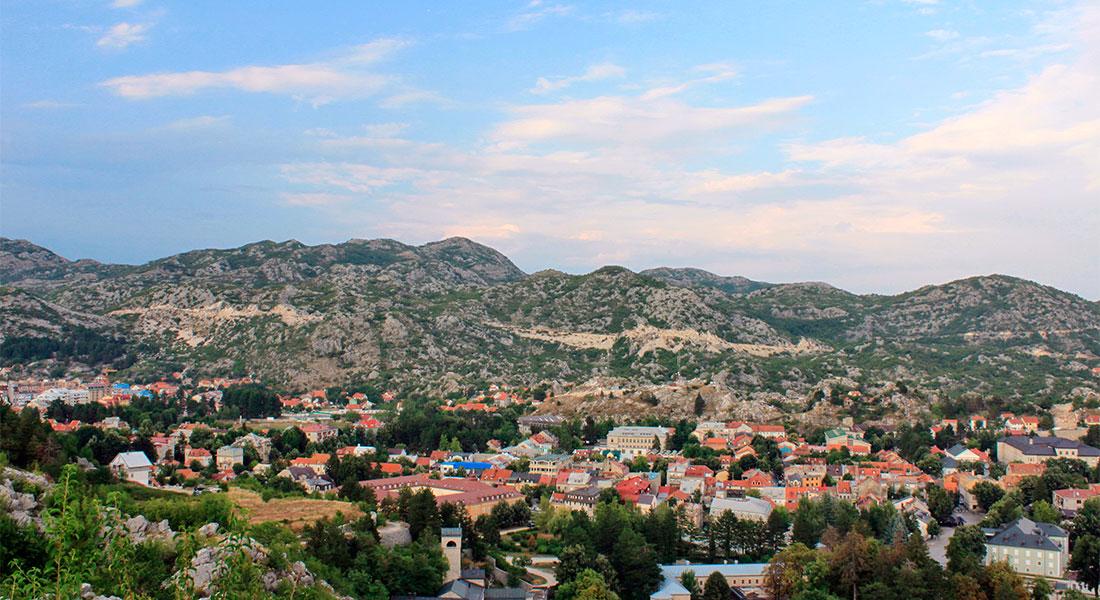
Cetinje is a small town, although it was once the capital of Montenegro. The President's residence is still preserved here, the Ministry of Culture operates, but other government bodies have been moved to Podgorica, the current capital.
The town is located on a hillside (650 m above sea level). It has a population of up to 15,000 people, and you can walk through the entire town in a couple of hours. Nevertheless, the attractions of Cetinje are very popular among tourists from all over the world. This small area has managed to concentrate more than twenty places of interest for visitors.
Cetinje Monastery
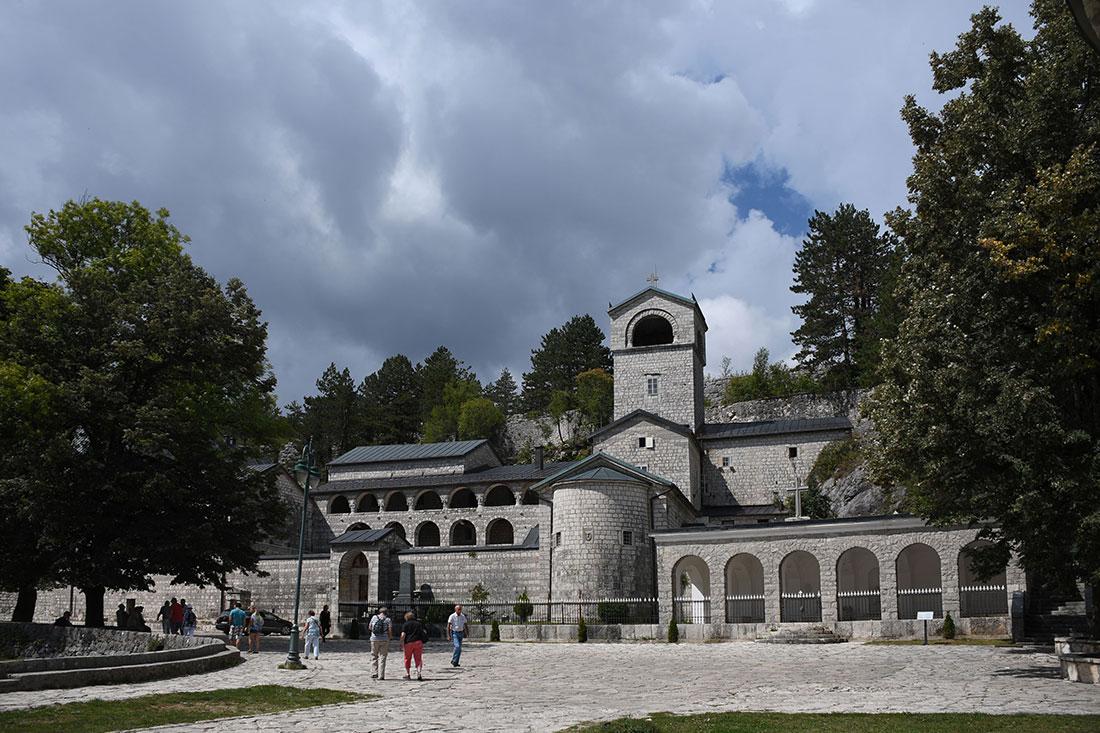
One of the key spiritual locations in Montenegro, where the residence of the metropolitan is located. The monastery gained fame in 1484, but has been destroyed and restored many times since then.
It houses one of the most important relics of Orthodoxy - the relics (part of the arm) of John the Baptist, who once baptized the prophet Jesus, as well as a fragment of the life-giving cross. It is no wonder that this place draws pilgrims and believers from all countries. Here, you can pray for health and salvation of the soul, touching the relics, visiting this ancient holy place, and simply enjoy the architecture.
The monastery itself is not large. Its main building is the Church of the Assumption of the Holy Mother of God. You can admire the intricately carved iconostasis, as well as ancient icons.
Address: Cetinje Monastery, Cetinje, Montenegro.
Church of the Nativity of the Blessed Virgin
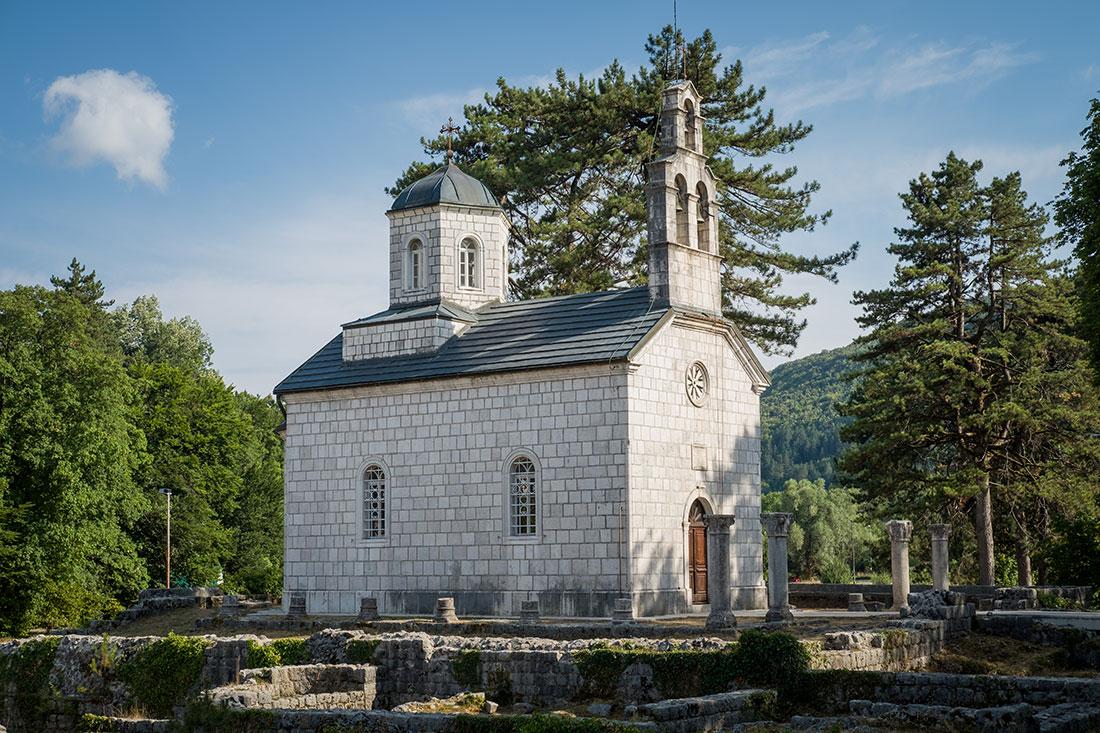
This beautiful structure was founded in 1886 by Petar Neguš Petrović on the site of the former Zeta Metropolis and the existing church complex. Inside, there is a stunning altar, where events like christenings and weddings are held. It also houses three sarcophagi, where King Nikola I, his wife Milena, and the founder of the town Ivan Crnojević are laid to rest.
Address: Church of the Nativity of the Blessed Virgin on Djipura, Cetinje, Montenegro.
Monument to Ivan Crnojević
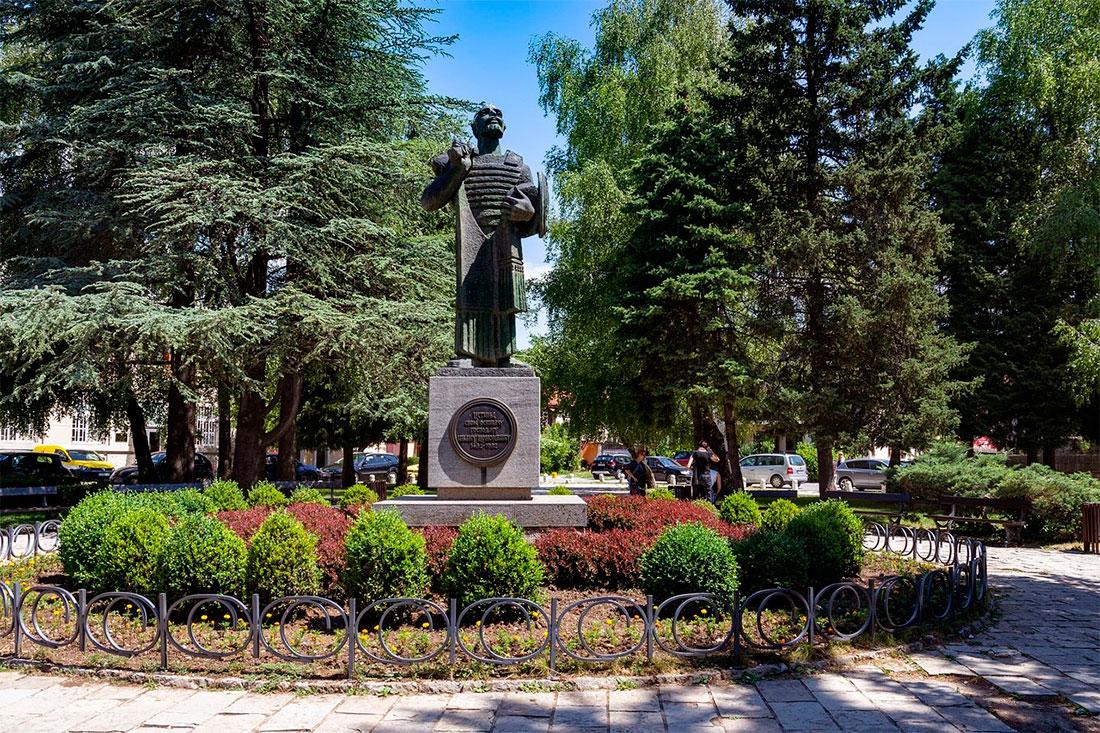
The monument to the founder of the town is located not in a temple, but in the city center near the main square, surrounded by flower beds and pine trees. It was installed in 1982 to commemorate the 500th anniversary of the city's founding.
The sculpture represents a tall man with a proud posture and large limbs. Notably, this is close to the truth since the average shoe size of Montenegrin men reaches 47 cm. Ivan Crnojević is immortalized as a powerful and warlike man, with his gaze directed south.
Address: Spomenik Ivana Crnojevica, Unnamed Road, Cetinje, Montenegro.
Best Tours Visiting Cetinje According to Tourist Reviews
National Museum of Montenegro
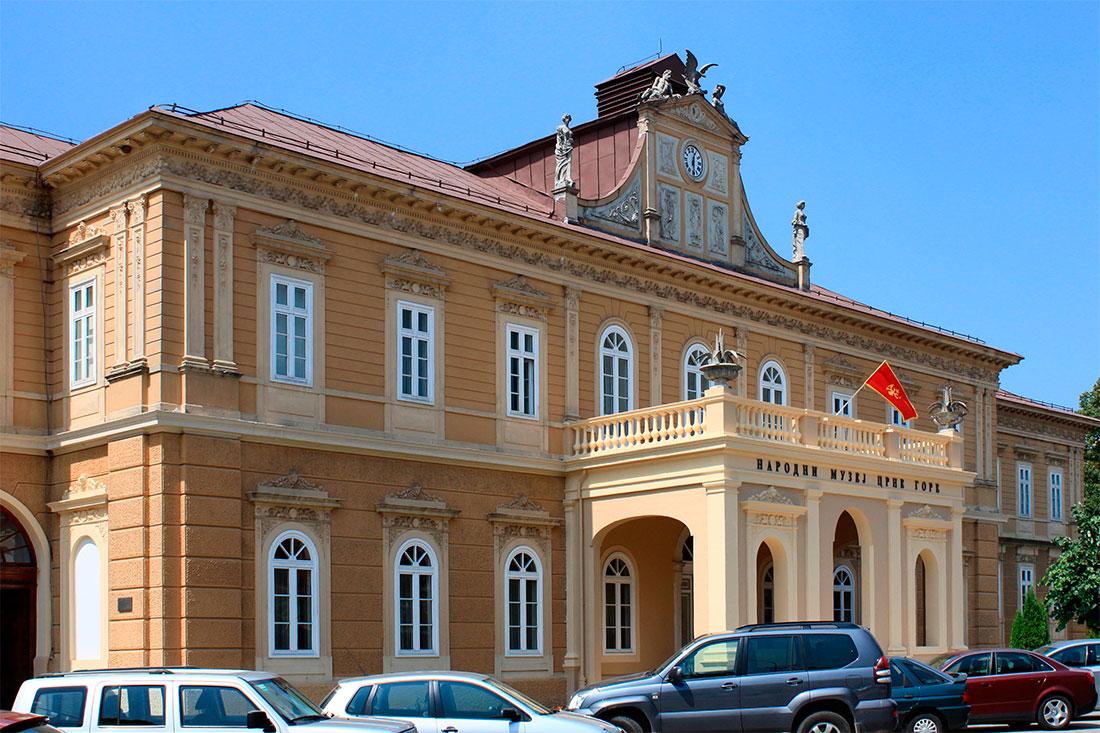
The museum is one of the most popular among the museums and galleries of the former Yugoslav states. Unique exhibits are indeed stored in its halls, which esteemed world museums would gladly negotiate for.
Here you can see original works by Renoir, Dalí, Picasso, and other famous artists. Just think about the unique collection of icons gathered here. For instance, the unique original of the Filerm Mother of God icon, better known as the 'Faceless Icon.' According to some sources, it was painted by the Apostle Luke about 2,000 years ago. Interestingly, local authorities value this priceless item at 10 times the annual budget of the country!
The State Museum is located on the 2nd floor of the building. Admission costs tourists 4 euros, and one should be prepared for a guided tour in Montenegrin.
Address: National Art Museum, Novice Cerovića, Cetinje 81250, Montenegro.
Museum of King Nikola I
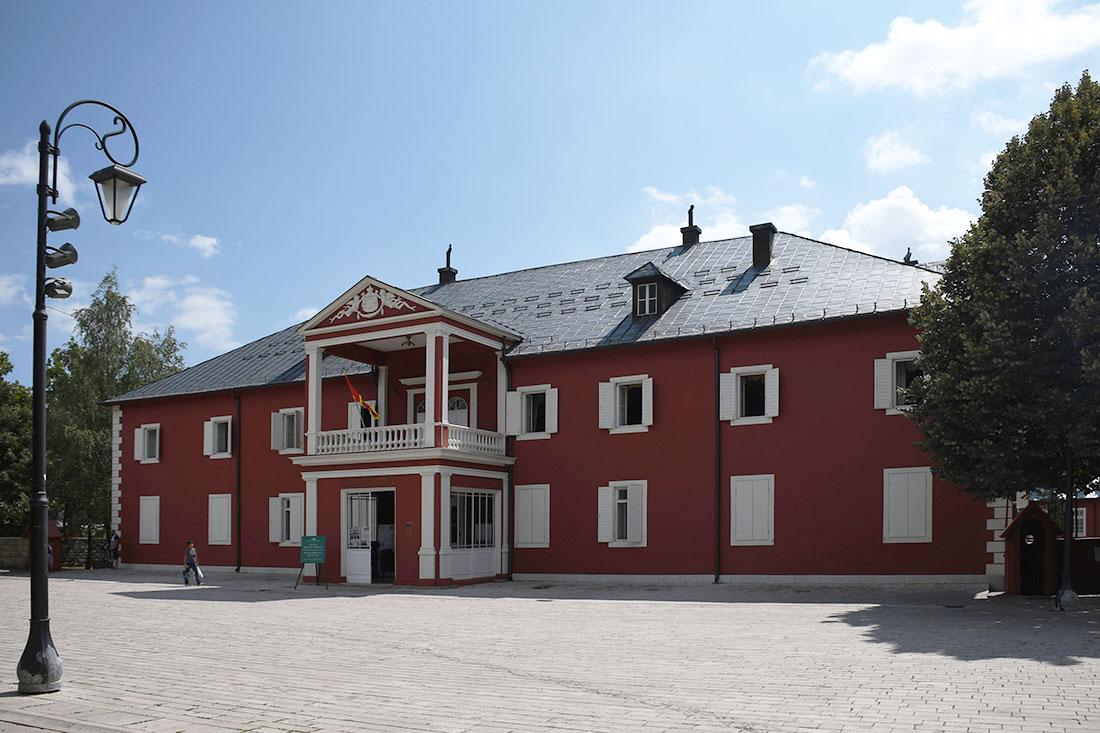
Montenegrins honor and celebrate their rulers, and thus palaces, temples, museums, monuments, and, of course, street names are dedicated to them.
The museum dedicated to King Nikola I is located in the Zeta House, where he once lived. From 1860 to 1918, the building served as the residence of the princely family.
Inside, you will find luxurious interiors in various styles, handcrafted furniture, and unique collections of weapons and banners. Since 1923, the residence has been a museum open to the public.
Address: Museum of King Nikola, Dvorski Trg, Cetinje, Montenegro.
Ethnographic Museum of Montenegro
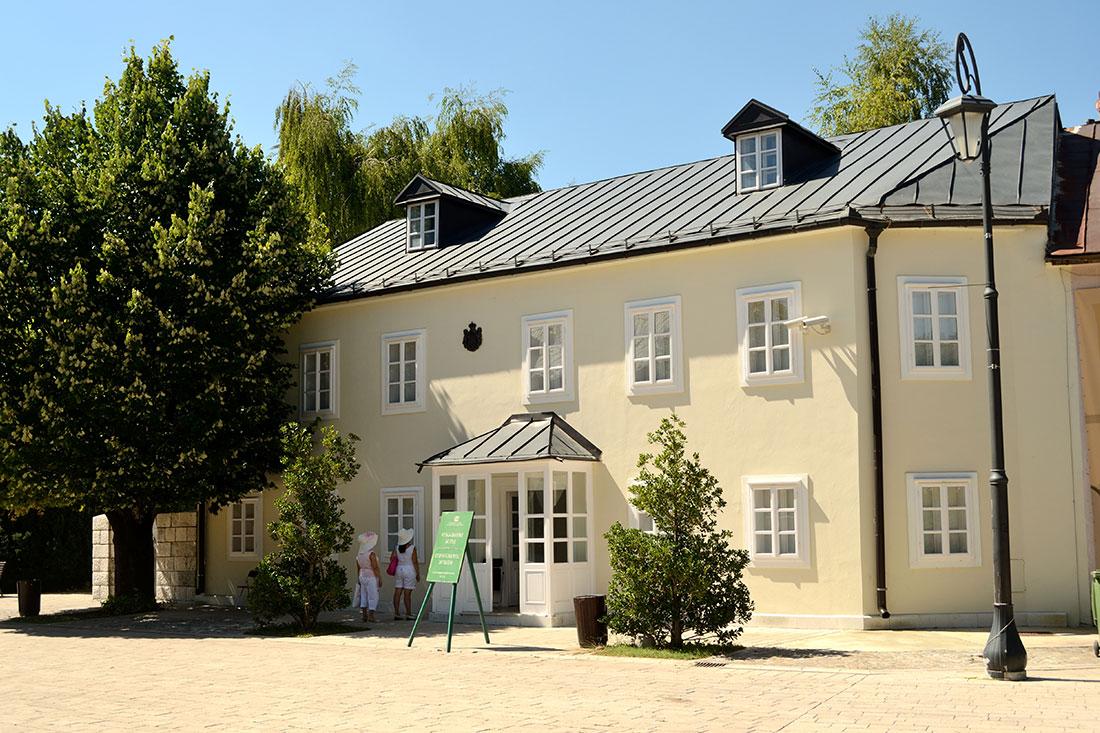
This small but very interesting museum conducts exhibitions of folk crafts and can tell about the life and culture of ancient and modern Montenegrins. Here, samples of clothing, household utensils, tools, national musical instruments, and weapons are presented. The museum is located in the former Serbian embassy building near the main square.
Address: Ethnographic Museum of Montenegro, Cetinje, Montenegro.
Billiards Residence
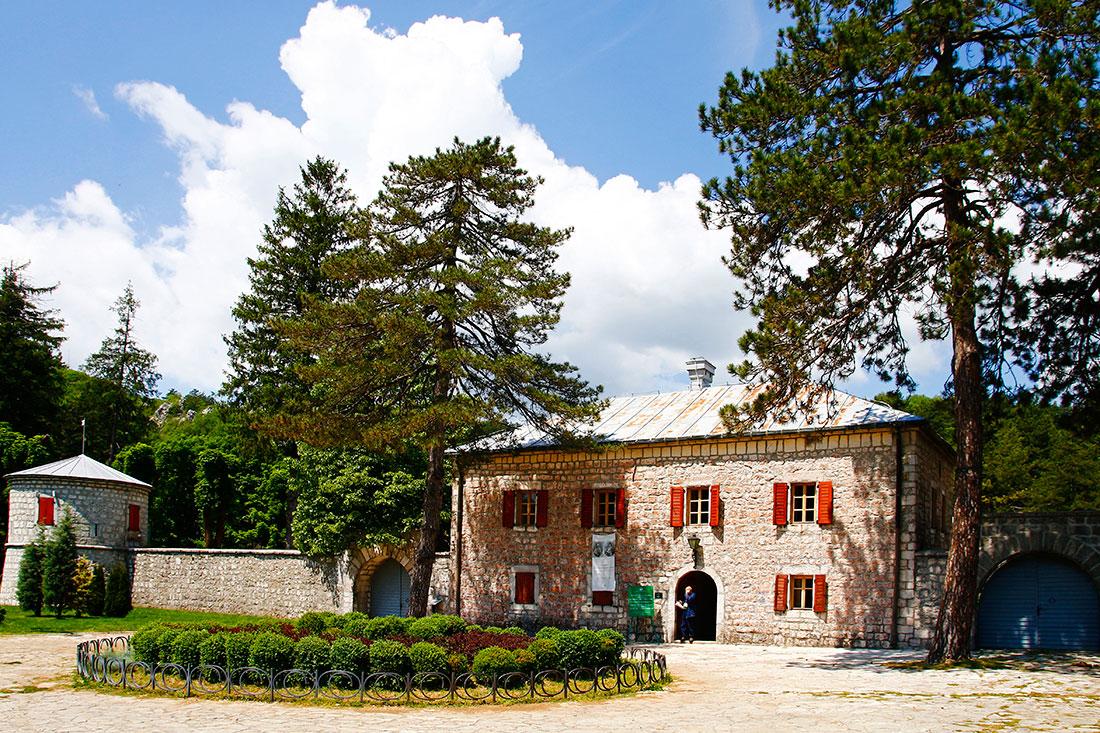
Billiards is the old residence of the rulers, which externally looks like a fortress with loopholes and towers. It was founded in 1838 based on the project of Russian military engineer Ozerkovsky and was named after the favorite billiard table of Petar II Neguš Petrović, as he greatly valued this game.
Currently, the building houses a museum in honor of this Montenegrin ruler, which also contains his portraits, backgammon, personal items, the first billiard table in the country, a library, archaeological exhibits, and a relief map. A curious place in Billiards is the lapidarium - this is a museum that houses remains of ancient buildings and structures.
Address: Biljarda, Novice Cerovića, Cetinje, Montenegro.
Palace Square
The main square of the city, which during the Yugoslav era was called Tito Square. Here, there are networks of restaurants and cafes, tourist and souvenir shops, and elite stores.
The square features an old column indicating distances to the most famous world museums. Also, among the fir trees hides a statue of Ivan Crnojević, covered in moss and the passage of time.
Address: Spomenik Ivana Crnojevica, Unnamed Road, Cetinje, Montenegro.
Relief 3D Map
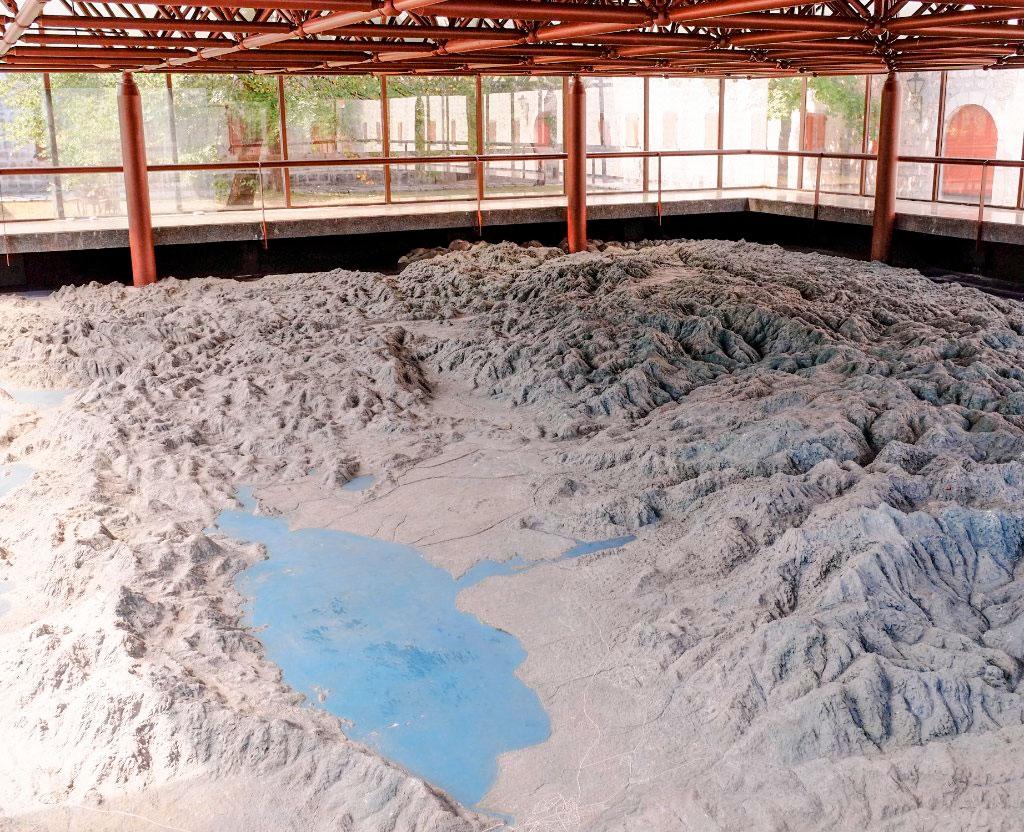
One of the key attractions in Cetinje (Montenegro) is the relief map, invented over a century ago by officers of the Austrian General Staff. It allows for a detailed view of what the country looked like with all its coastlines and mountain protrusions at that time.
Also of interest is the glass dome behind which it is hidden.
GPS coordinates: 42°23'15.7"N 18°55'22.5"E.
Vlaška Church

One of the oldest buildings in the city, located in the very center. The first version was laid in 1450, when the building materials were branches and mud. The modern appearance was achieved only in 1864 after numerous restorations and overlays.
The church has a concise architectural style, with attention paid to the 1817 iconostasis. It also has a bell tower with 3 bells.
Surrounding the temple is a fence made of the trunks of weapons seized from the Turkish enemy in the 19th century (a total of over 1,500). In front of the church stands a Stela, erected in 1939. It commemorates Montenegrins who died in exile before 1915.
Address: Vlaška Church, Baja Pivljanina, Cetinje, Montenegro.
Montenegrin Royal Theater Zetski dom
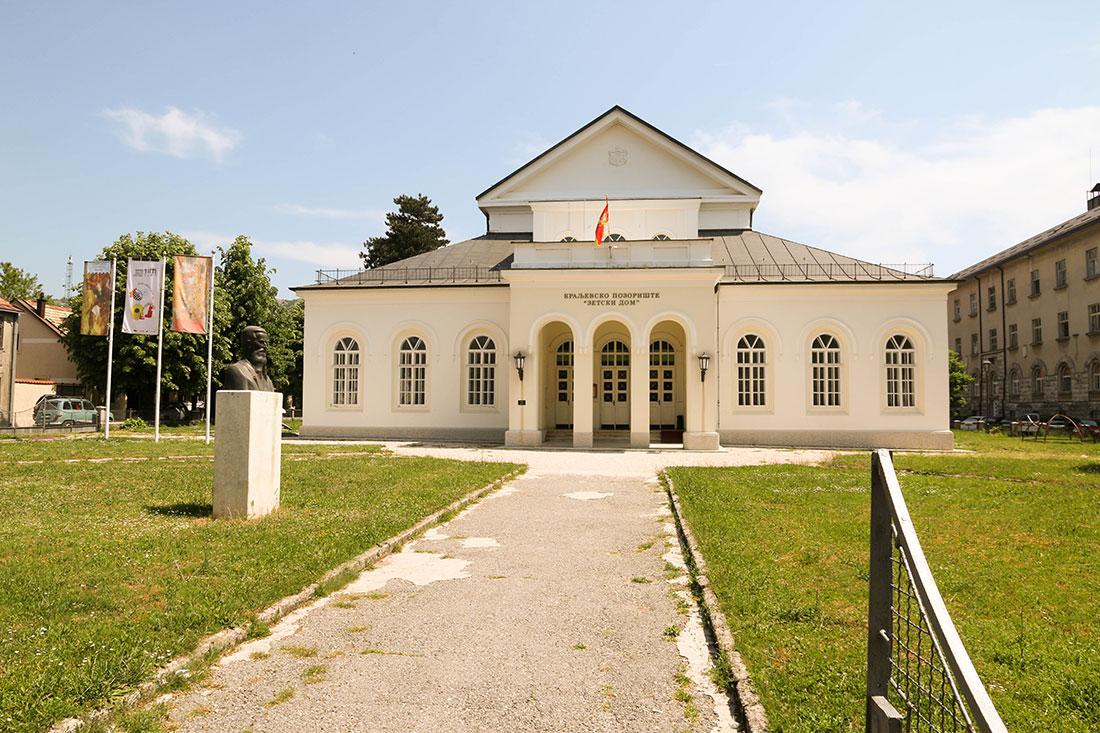
The first professional theater, which began its activities in 1884 and still remains the only state theater in the country.
During the war, it suffered greatly but was restored. Now, local and visiting troupes perform on its stage almost every week. The first professional troupe was formed here only in 1910.
Funding for the construction of the theater was raised by the entire country. It was designed by the famous Croatian architect Slade.
Address: Montenegrin Royal Theater Zetski dom, V Proleterske Brigade, Cetinje, Montenegro.
Blue Palace
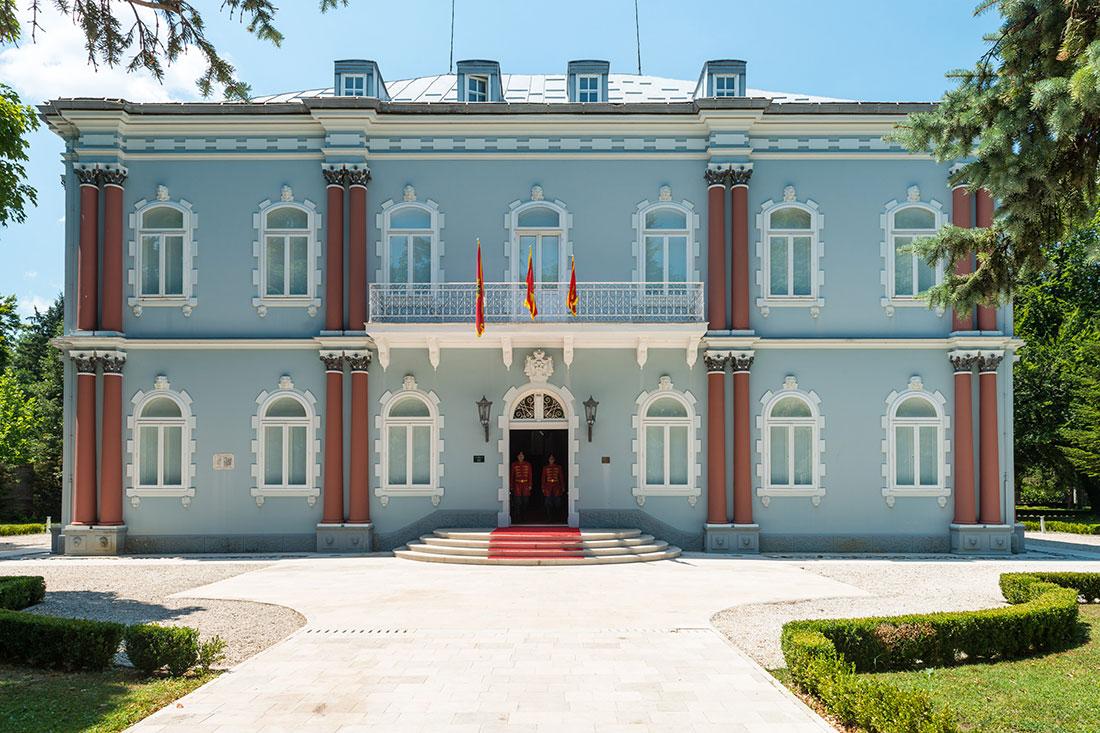
The beautiful building serves as the residence of the country's president, but he rarely stays here. During the interwar period, it was used as an elite gymnasium.
The facade is painted in a soft blue shade, which is how the palace got its name. This color was obtained between 1896-1900. The attraction is located on the main city street between local parks.
Address: Palais Présidentiel, Cetinje, Montenegro.
Museum of Money
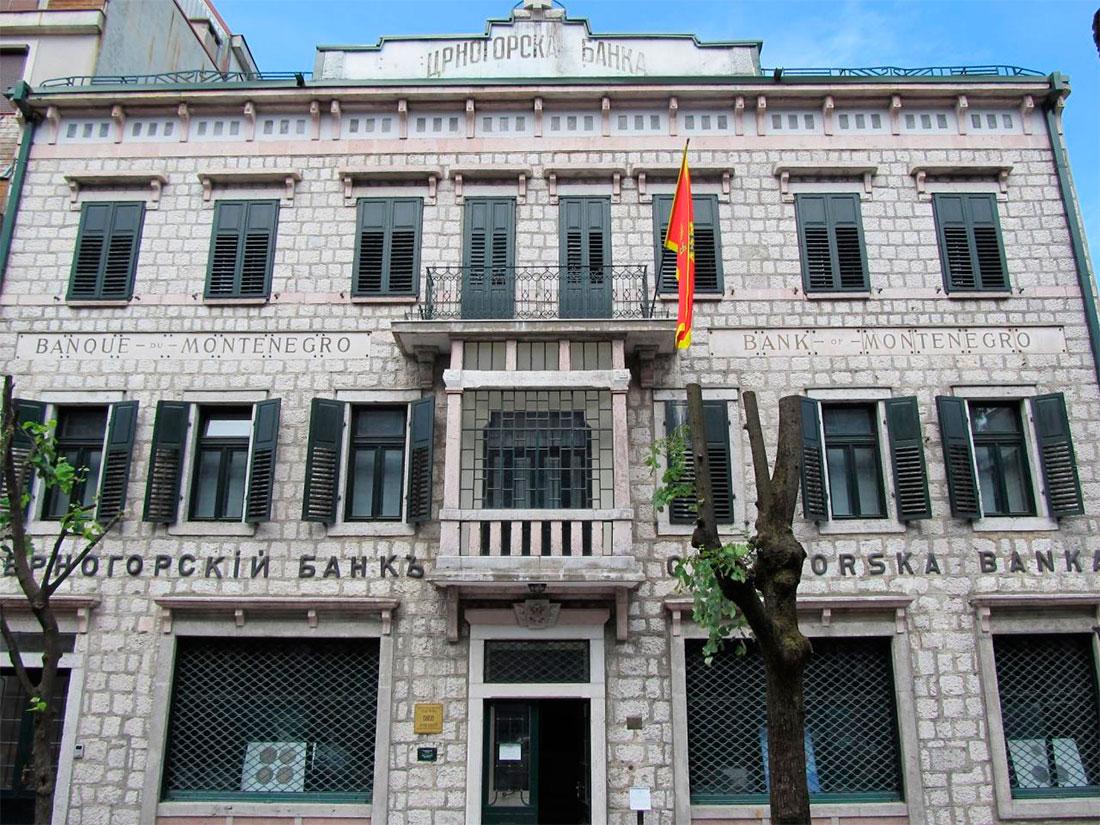
Numismatists will undoubtedly want to visit the street Neguša, where the Museum of Money is located in the former building of the National Bank of Montenegro.
Since 2012, it has opened its doors to all who wish to explore ancient bank vaults, halls, and rooms. Immerse yourself in the financial atmosphere and listen to the history of the country's currency.
Of interest are the bank vaults, which contain unmanageable blocks of banknotes. The denomination of the largest bill is five hundred billion dinars.
Address: Muzej Novca CB CG, Његошева, Негуши, Montenegro.
Lipa Cave
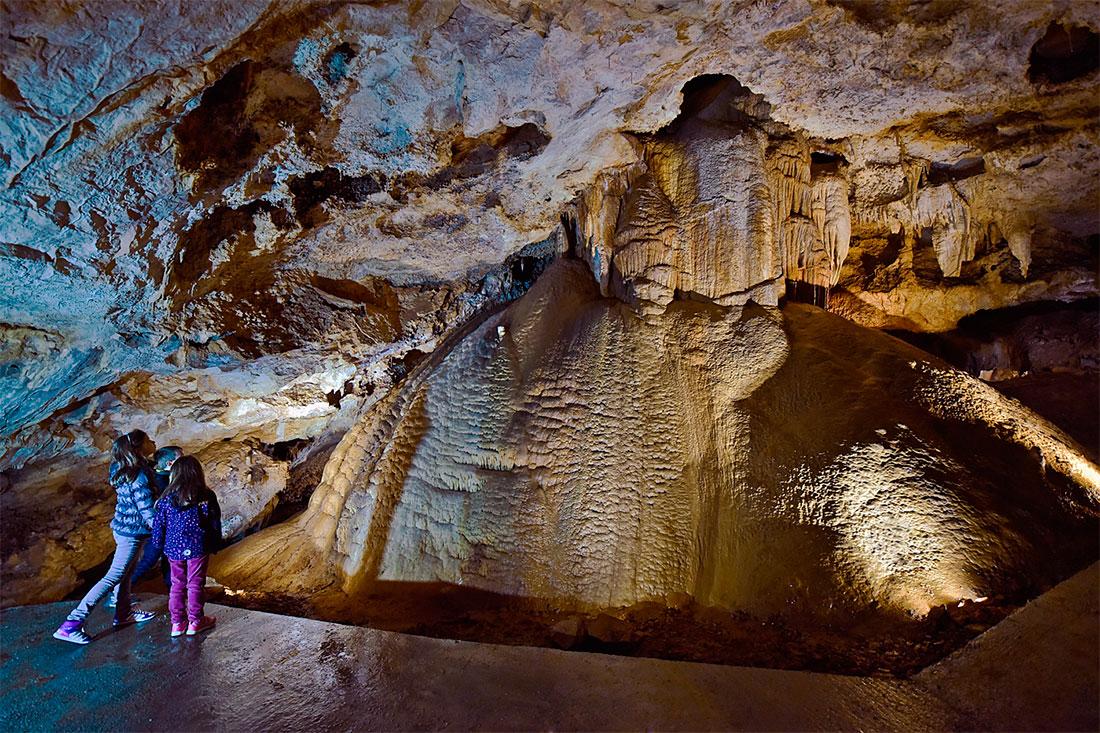
Considered the most beautiful cave in the country. Opened for visitation since 2015, but it began to be studied back in the 19th century.
There are 3 tourist routes (easy and professional), with a length of up to 2.5 km.
Nature lovers will appreciate the giant stalactites and stalagmites. Don't forget to bring a warm jacket even in the summer, as the temperature here stays around +8 degrees.
Address: Lipa Cave, Montenegro.
Lovćen National Park
Visitors come from all nearby cities to enjoy the stunning views, complemented by the famous Mount Lovćen. From its hills, there is a panorama covering 70% of all of Montenegro! The Bay of Kotor, which we also recommend visiting, looks especially beautiful.
In the national park, you can take a walk with children and also visit the mausoleum of Njegoš.
Address: Lovćen National Park, Montenegro.
Blacksmith Bogdan
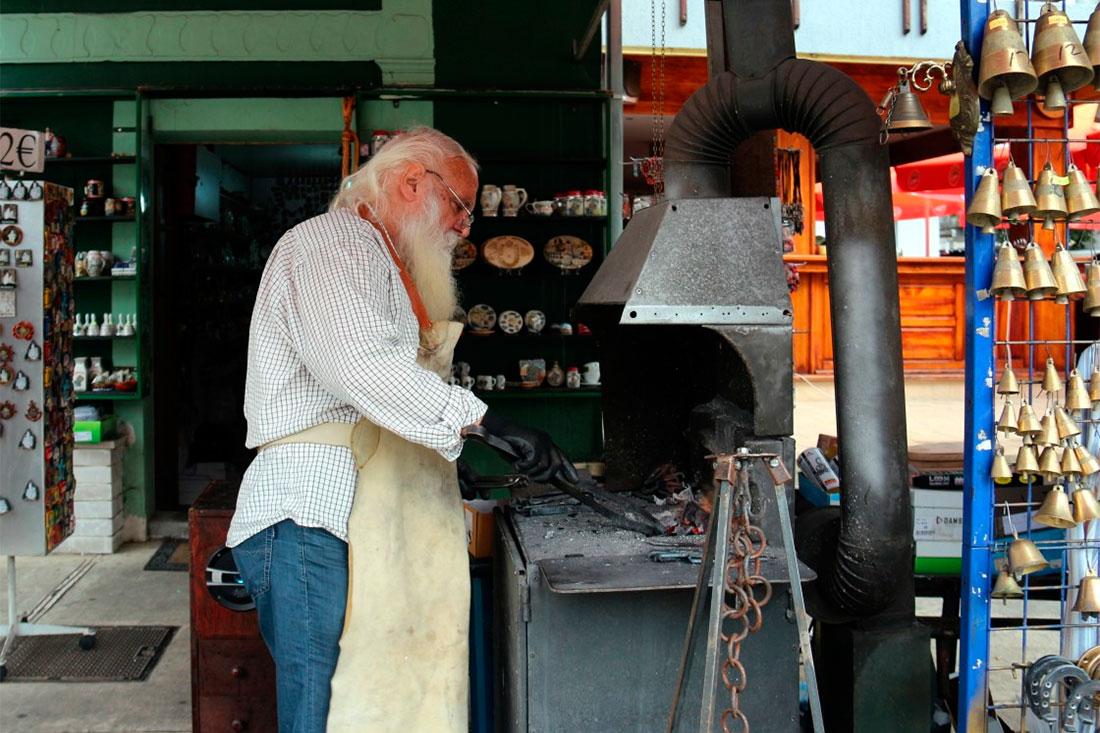
For the first time in our overview, we mention a truly living attraction. We are talking about a colorful, authentic, and very charismatic man who is also a popular blacksmith in the city (yes, that profession still exists).
He not only forges souvenir horseshoes for tourists but also dances, sings, jokes amusingly, and happily poses for photos. The man indeed looks like Santa Claus - we recommend visiting his shop.
GPS coordinates: 42°23'17.0"N 18°55'30.9"E.
Pharmacy
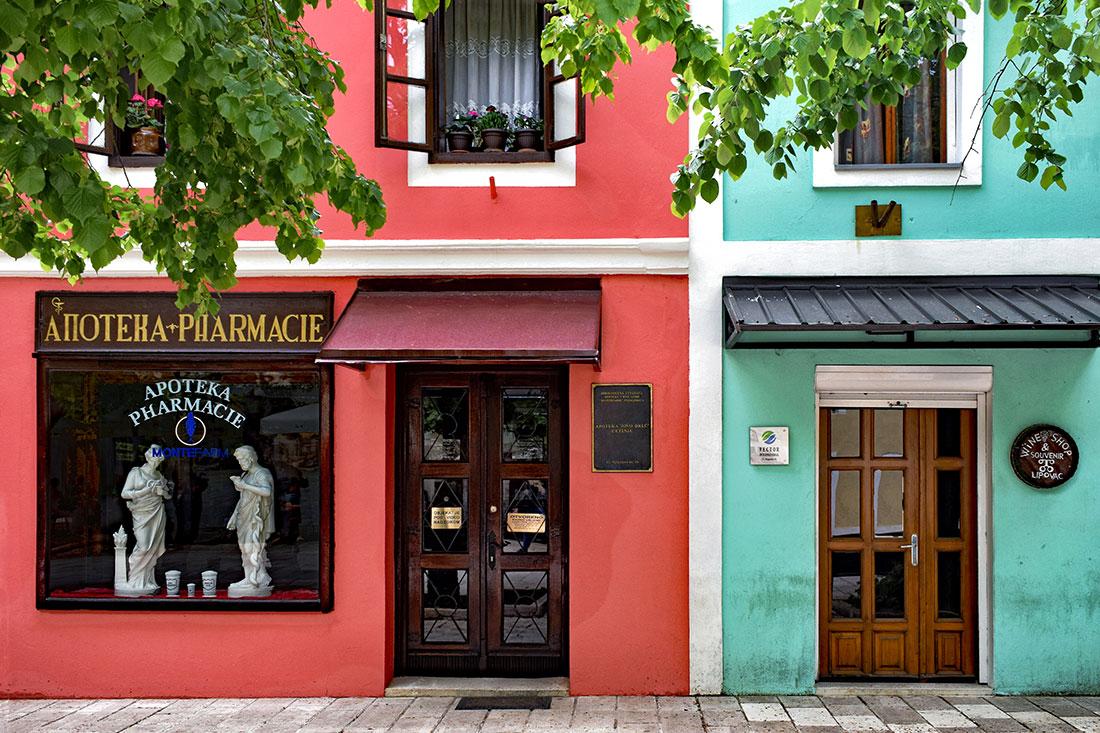
The first state city pharmacy operates here to this day. Imagine, the establishment was founded in 1878, although over time it went into private hands, as is often the case.
The last owner relocated all functions to his own house on Neguša Street, while trying to preserve the original authentic interior: wooden shelves, various jars for potions, and labels from those times.
Address: Državna Apoteka, Његошева, Cetinje, Montenegro.
Neguša Street
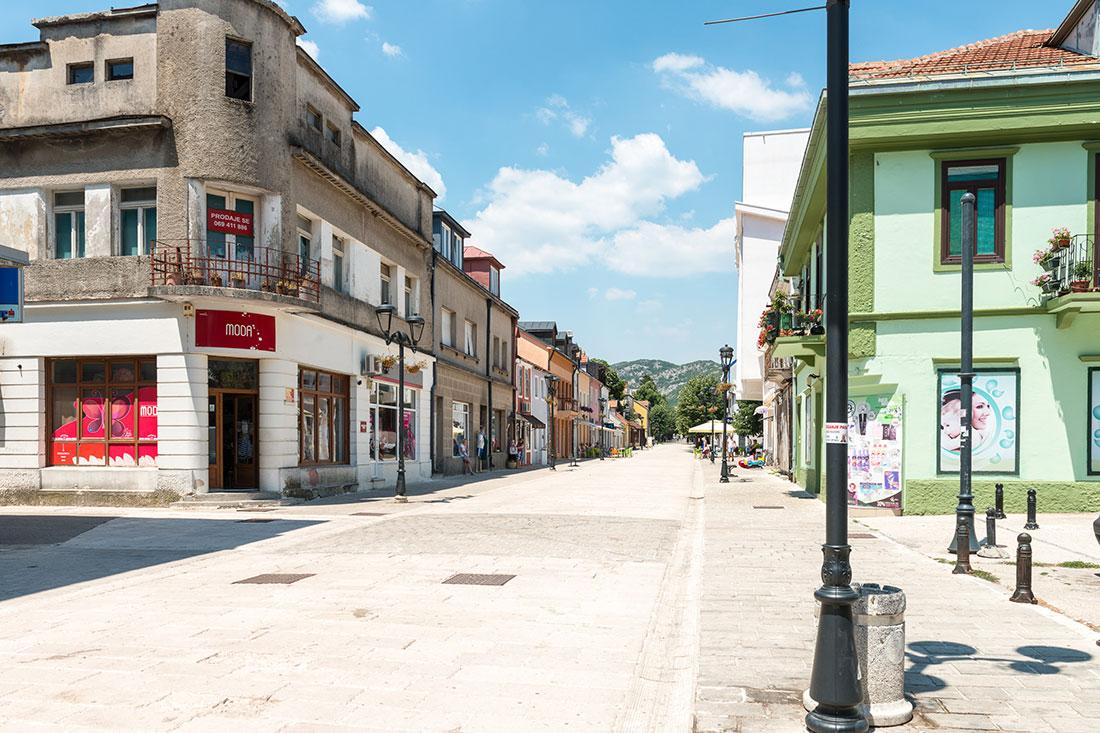
One of the main streets of the city is pedestrian, so don't miss the chance to take a leisurely stroll. The street runs from Palace Square in both directions.
Along this street, linden trees bloom in the summer, so the aroma is simply wonderful. What is remarkable about it? Here are colorful little houses, cozy cafes, and a local chess club.
Address: Његошева, Cetinje, Montenegro.
Women's Gymnasium
The two-story yellow building, formerly the Student House, has been the Women's Gymnasium since 1869.
The institution was patronized by Empress Maria Alexandrovna. At that time, building the gymnasium could cost only 5,500 rubles. The Montenegrin king of the time, Nikola Petrović, hinted at the need for an institute for noble girls to the Russian empress.
Maria Alexandrovna paid the salaries of the teaching staff, and she entrusted the Russian Empire with regularly sending textbooks.
GPS coordinates: 42°23'13.8"N 18°55'36.9"E.
Former Russian Embassy
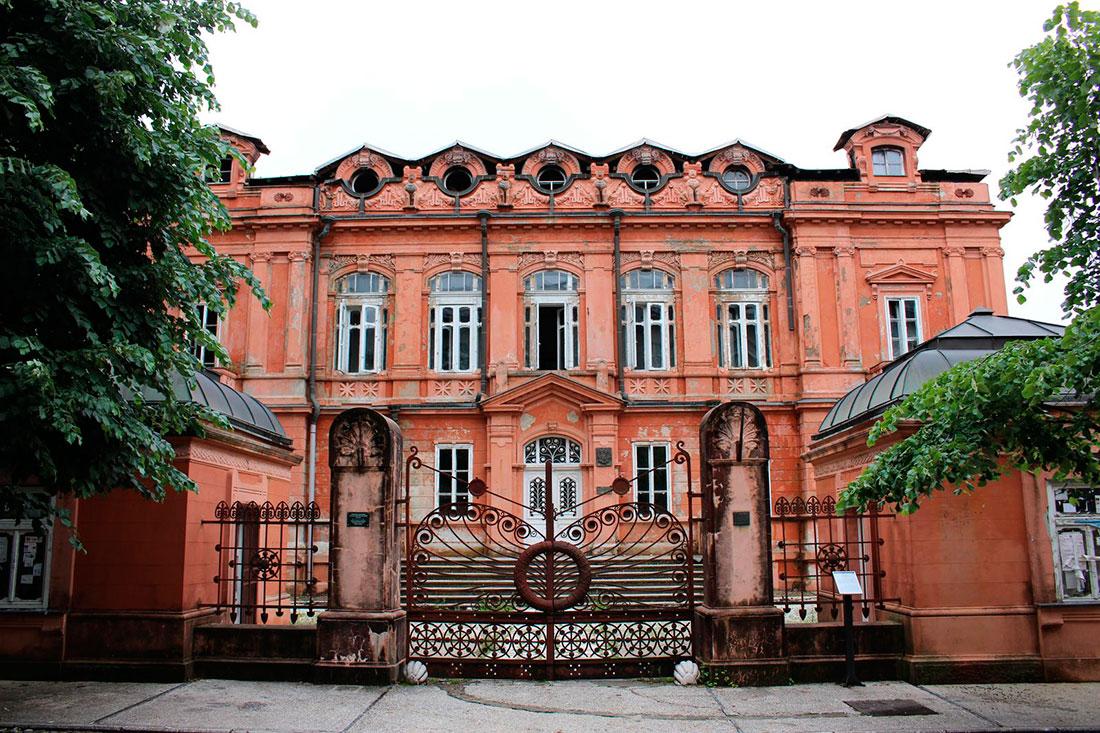
Don't be surprised, but this is one of the most impressive buildings in the city. It was commissioned in 1903 by the famous Italian architect Karadini with funds from the Russian Empire.
In 2012, an art academy was opened on its premises, but a fire engulfed the roof, and the building was abandoned. Recently, the embassy was finally restored, for which more than 2 million euros were allocated from the budget.
Address: Old Russia Embassy, Vojvode Batrica, Cetinje, Montenegro.
Former French Embassy
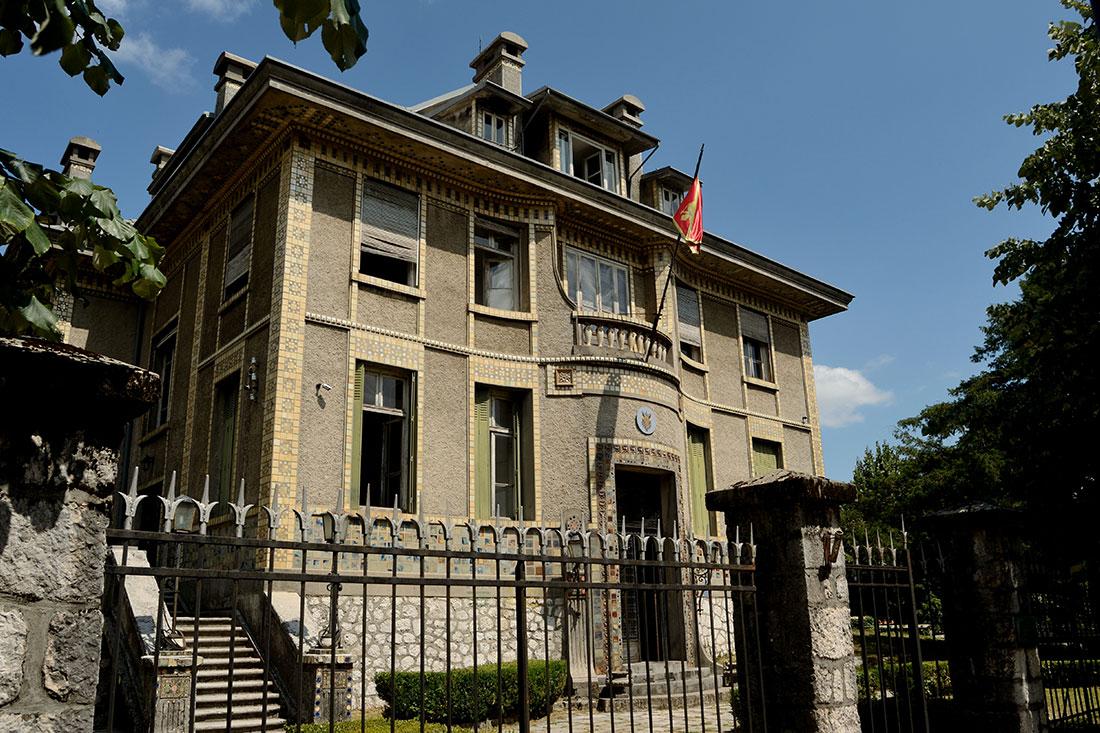
Opened in 1910, the opening day coincided with the Day of the French Republic. The exterior of the building stands out sharply from the city's general architectural style due to the interesting colorful tiles used in the facade. Currently, a local library operates on its premises.
Address: Embassy of France, Његошева, Cetinje, Montenegro.
Djukanović Palace
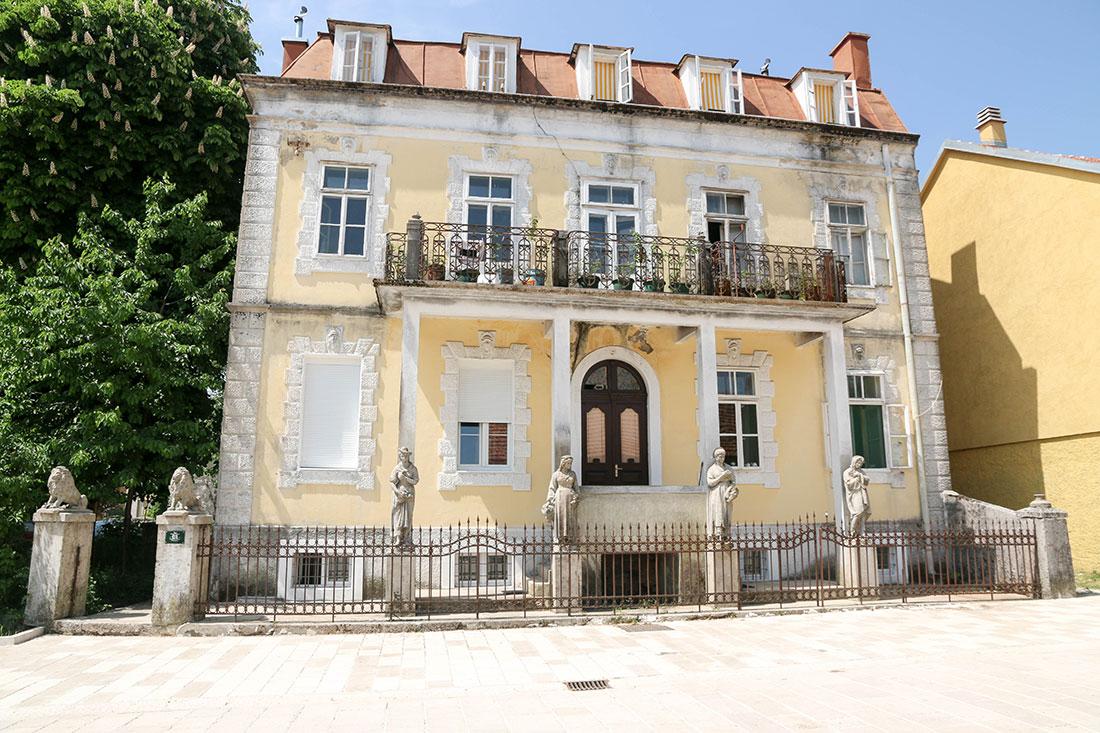
On the pedestrian street, there is a stunning building in the Renaissance style that appeared here in 1910.
It was the residence of the president of the governing council of the Kingdom of Montenegro, who at the time was elected Marko Djukanović.
The building is now residential but acquires a rather pitiable appearance in spring - water streams down the facade, mold and fungus grow. Figures of women, symbolizing the seasons, are located on the facade.
Address: Djukanović Palace, Cetinje, Montenegro.