
Best Things to Do:
- 1. Lake Geneva
- 2. Jet d'Eau
- 3. St. Pierre Cathedral (Geneva Cathedral)
- 4. Best Tours in Geneva as Reviewed by Tourists:
- 5. Vieille Ville (Old Town)
- 6. Bourg-de-Four Square
- 7. CERN Headquarters
- 8. Patek Philippe Museum
- 9. Palais des Nations
- 10. Bains des Pâquis
- 11. Mont Salève
- 12. Botanical Garden of Geneva
- 13. Museum of the Reformation
- 14. Geneva Museum of Art and History
- 15. Natural History Museum
- 16. Ariana Museum
- 17. Parc de la Grange
- 18. Maison Tavel
- 19. English Garden
- 20. Quai du Mont-Blanc
- 21. International Red Cross and Red Crescent Museum
- 22. Parc des Bastions
- 23. Quartier des Grottes
- 24. Carouge District
- 25. Plainpalais Flea Market
- 26. Museum of Far Eastern Art
- 27. Geneva's Attractions on the Map
- 28. Best Value Hotels in Geneva
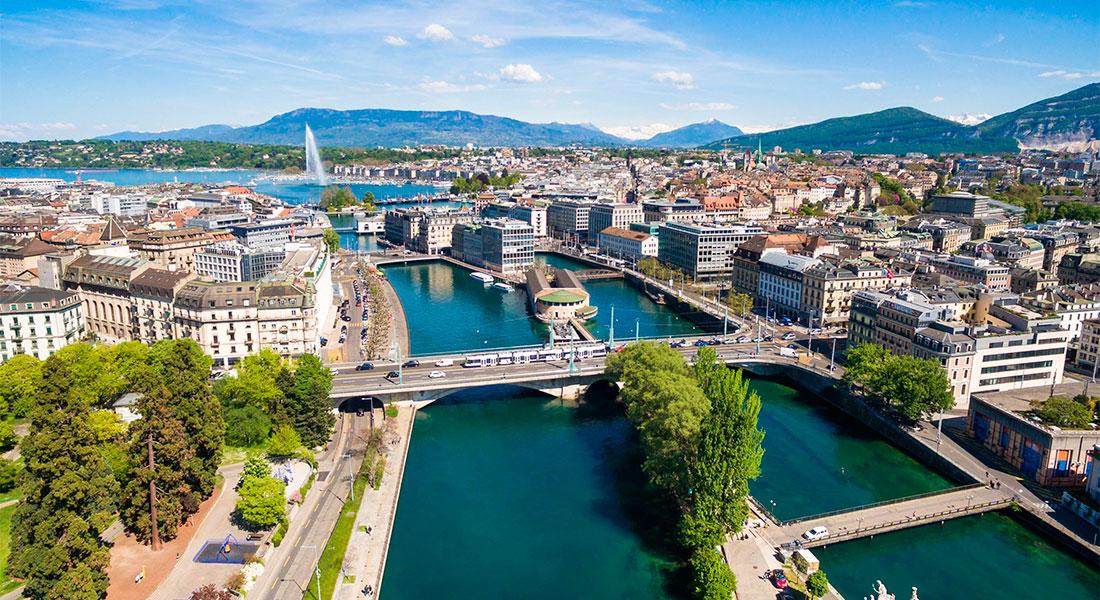
Geneva is a city of stereotypes. You can only break them by coming here in person. Yes, it is full of money, fondue, chocolate, and watches. But Geneva is also renowned for its cultural diversity and creativity, especially in areas like Les Grottes or Carouge.
Geneva remains the capital of world diplomacy, hosting organizations like the United Nations and the Red Cross. Experts from the world of science gather here to unravel the greatest scientific mysteries of our time at the large research center known as CERN. The city confidently looks to the future while carefully preserving its extraordinarily rich past. So, let's talk about the top attractions of this luxurious city in a bit more detail.
Lake Geneva
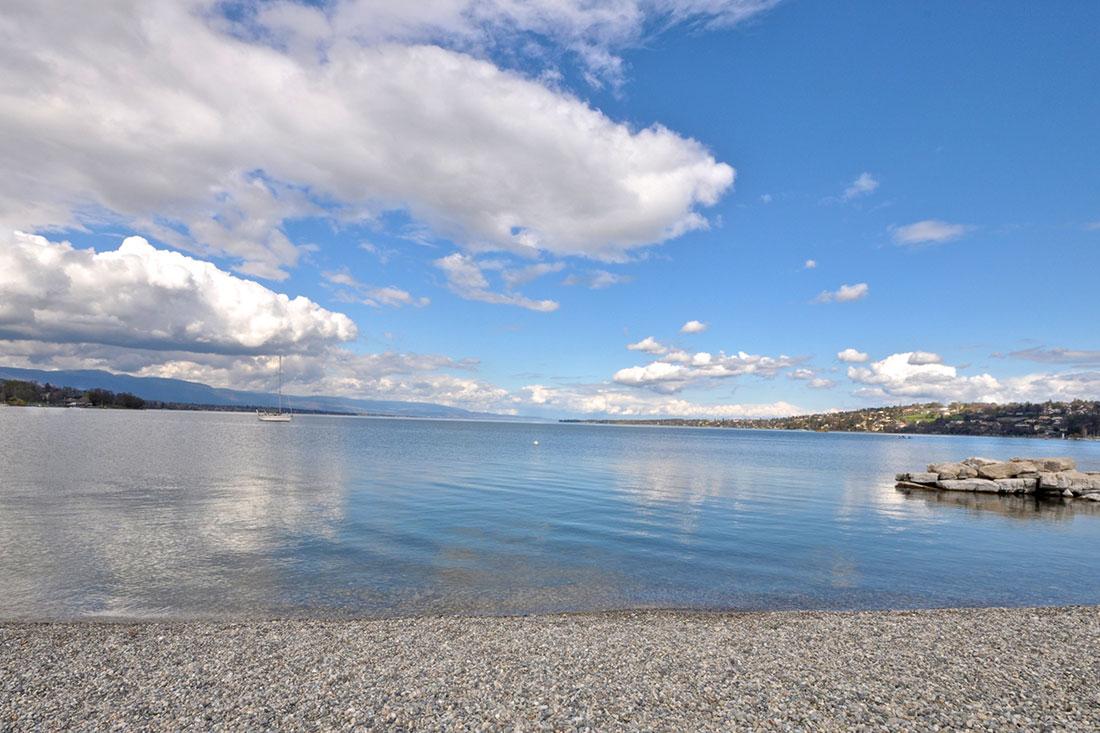
The largest lake in Central Europe brings an impressive and awe-inspiring Alpine spirit to the city center. Many strive to come here and enjoy it to the fullest, and the easiest way to do this is to rent a boat at the quay near Genève-Mt-Blanc.
The options here are vast: you can simply swim to another part of the city, or you can embark on a real three-hour cruise to Lausanne.
The beauty of this lake has also influenced the city's layout - for instance, its magnificent promenade was laid along the shore back in the mid-19th century. Next to the water, you'll find promenades lined with trees, luxurious townhouses, and serene parks like Eaux-Vives, Jardin Anglais, Perle du Lac, or Mon Repos.
Address: Lake Geneva, Switzerland.
Contact Information:
30 attractions in Zurich to seeJet d'Eau
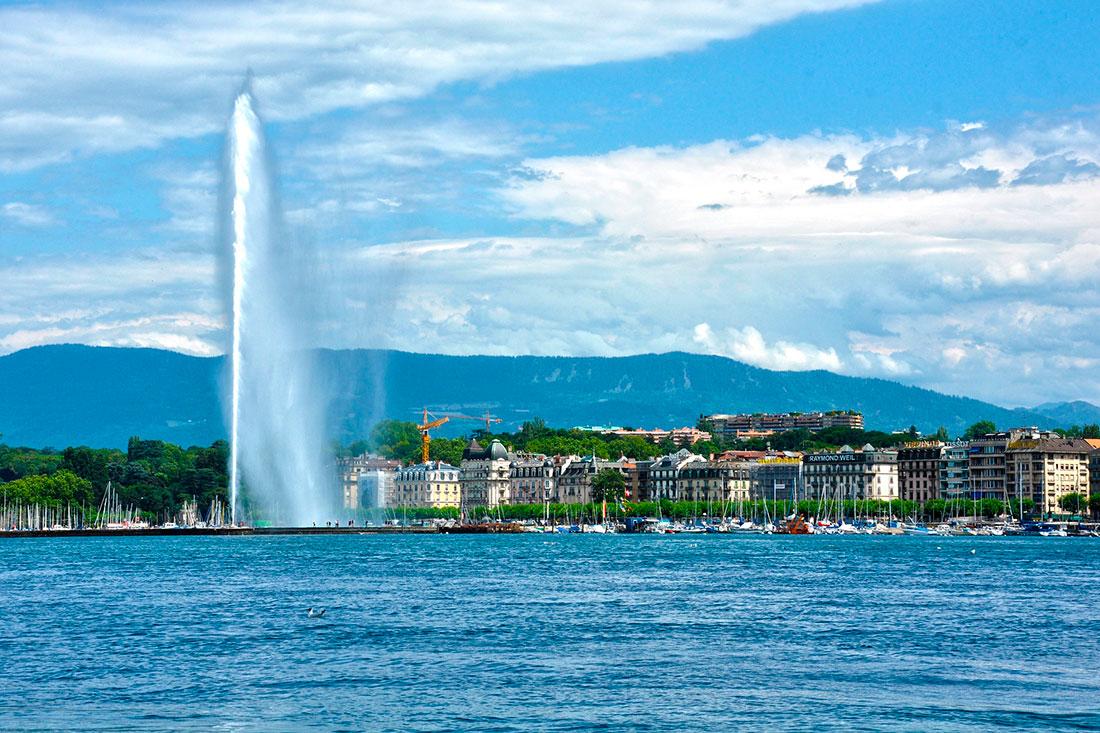
In the heart of the city, where the Rhône begins its journey to France, lies the wonderful Geneva harbor (La Rade de Genève). At the end of a long pier stands a world-famous attraction. Jet d'Eau is a man-made fountain that pumps five hundred liters of water per second, shooting up to a height of 140 meters.
If you want to see this marvel up close, keep in mind that the water spray is very sensitive to the wind, and you may easily get soaked.
The fountain has been in its current location since 1951 and initially had an important practical application: it was first launched in 1886 to ensure the continuous operation of the local hydroelectric power station. The locals enjoyed this new 'spectacle' so much that the fountain eventually became an attraction.
Address: Jet d'Eau, Quai Gustave-Ador, Geneva, Switzerland.
St. Pierre Cathedral (Geneva Cathedral)
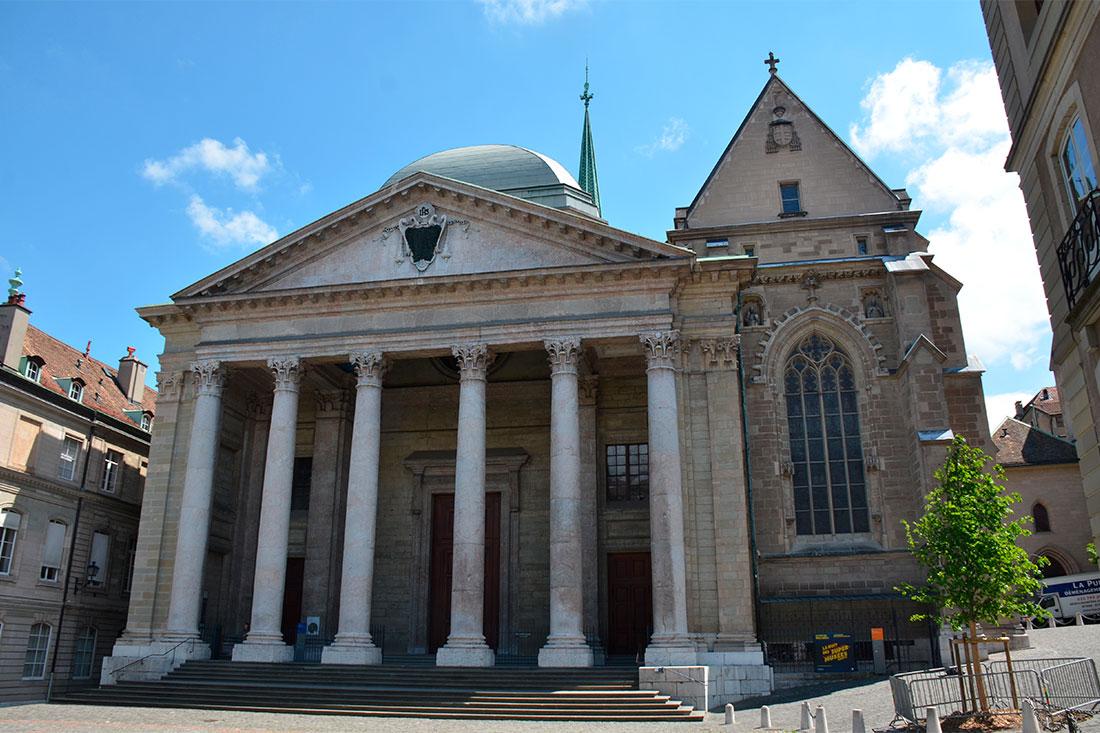
St. Pierre Cathedral is one of those places that you can easily spend a whole day visiting. Behind its Neoclassical facade lies architecture dating back to the 12th century. Since 1541, John Calvin lived and worked here, and today his personal chair looks as if he just got up and walked into the next room.
The cathedral was built on the site of much older structures, including a 4th-century basilica. Remains of these ancient buildings can be seen underground - there is an interesting archaeological museum.
You can also climb the cathedral's towers for a magnificent view of the Alps, Jura, and Geneva against the backdrop of the lake: the southern viewing platform is outdoors, while the northern one is indoors and better suited for tourists visiting in winter.
Address: St Pierre Cathedral, Place du Bourg-de-Four 24, 1204 Geneva, Switzerland.
Best Tours in Geneva as Reviewed by Tourists:
Vieille Ville (Old Town)
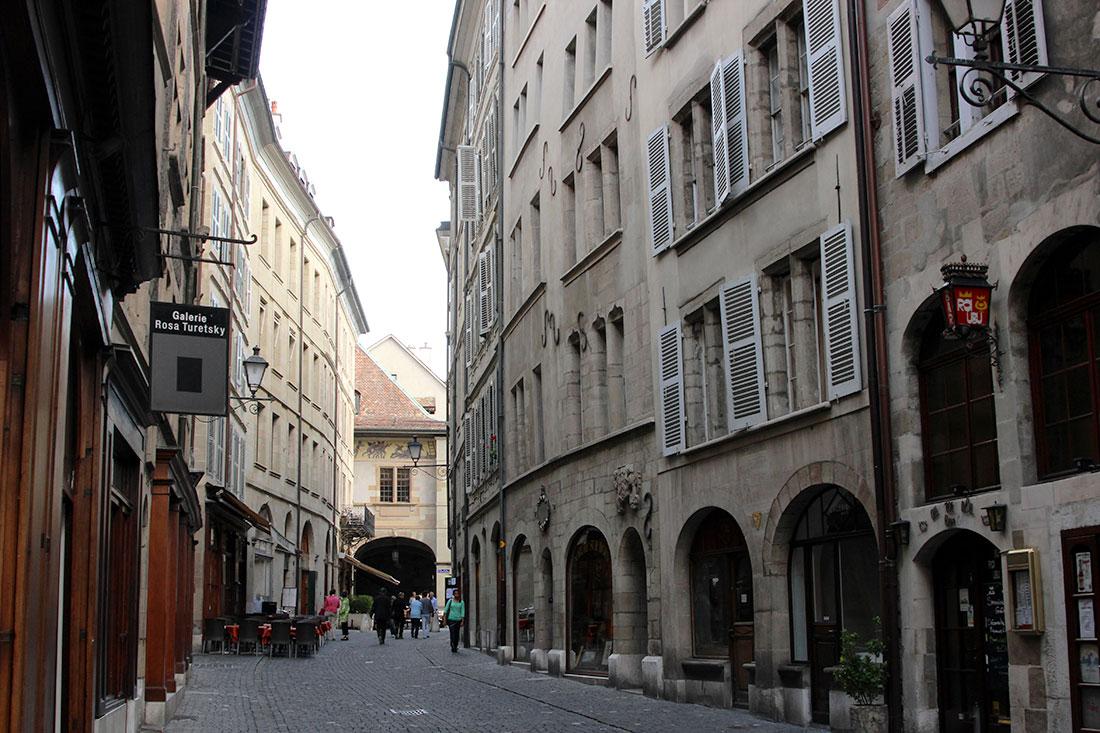
Take a couple of hours to visit Switzerland's largest historical center. The Old Town is located on a hill crowned by St. Peter's Cathedral. Once, this hill was surrounded by powerful defensive walls.
Navigating these steep cobbled streets and stairs can be quite tiring, but it's extremely interesting: the Old Town is full of intriguing alleys, fountains, terraces with viewing platforms, and places of real historical value.
It is here that the genius Jean-Jacques Rousseau was born in the 18th century, and at Bourg-de-Four, you can see a row of historic homes located near the square where local traders sold their livestock in medieval times.
Address: Rue Chausse-Coq 8, 1204 Geneva, Switzerland.
Bourg-de-Four Square
In the heart of Geneva's Old Town, near St. Peter's Cathedral, lies the tourist-popular Bourg-de-Four square. This is one of the oldest squares in the city and certainly the most beautiful. It sits on the site of a former Roman forum, and since the 19th century, it has hosted a large city market.
Later, in the 16th century, persecuted Protestants found refuge here from the Inquisition. Today, tourists and locals find refuge from boredom and heat in local cafes and restaurants, many of which offer outdoor seating in nice weather.
In addition to the 18th-century fountain, you can see a statue of Clementine Heinz Schwarz within the square. The Palace of Justice, housing the local court since 1860, was built in the 17th-18th centuries and originally served as a monastery.
Address: Place Bourg-de-Four, Geneva, Switzerland.
CERN Headquarters
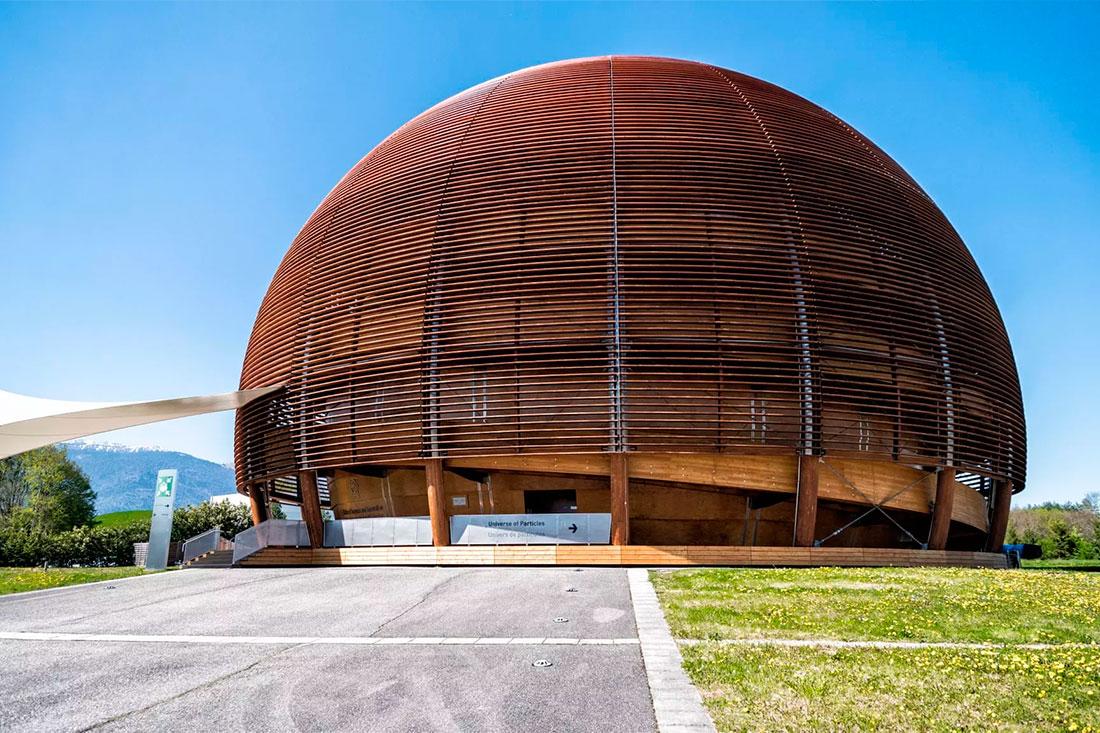
West of Geneva's center, in a small town called Meyrin, is the headquarters of the European Organization for Nuclear Research. There's no need to remind you that this is where, for over 10 years, the world's most advanced scientific experiments are conducted in the world's largest laboratory for particle physics.
The local tourist center offers tours of various sectors of the facility, during which complex scientific concepts and phenomena are explained in simple language. There are also two separate museums dedicated to the facility and its research.
One explains the current practical applications of CERN's resources - for example, in medicine. The other details the particle accelerator and the history of the hunt for the Higgs boson.
Address: CERN, Esplanade de Particules, Meyrin, Switzerland.
Contact Information:
25 attractions in Basel to seePatek Philippe Museum
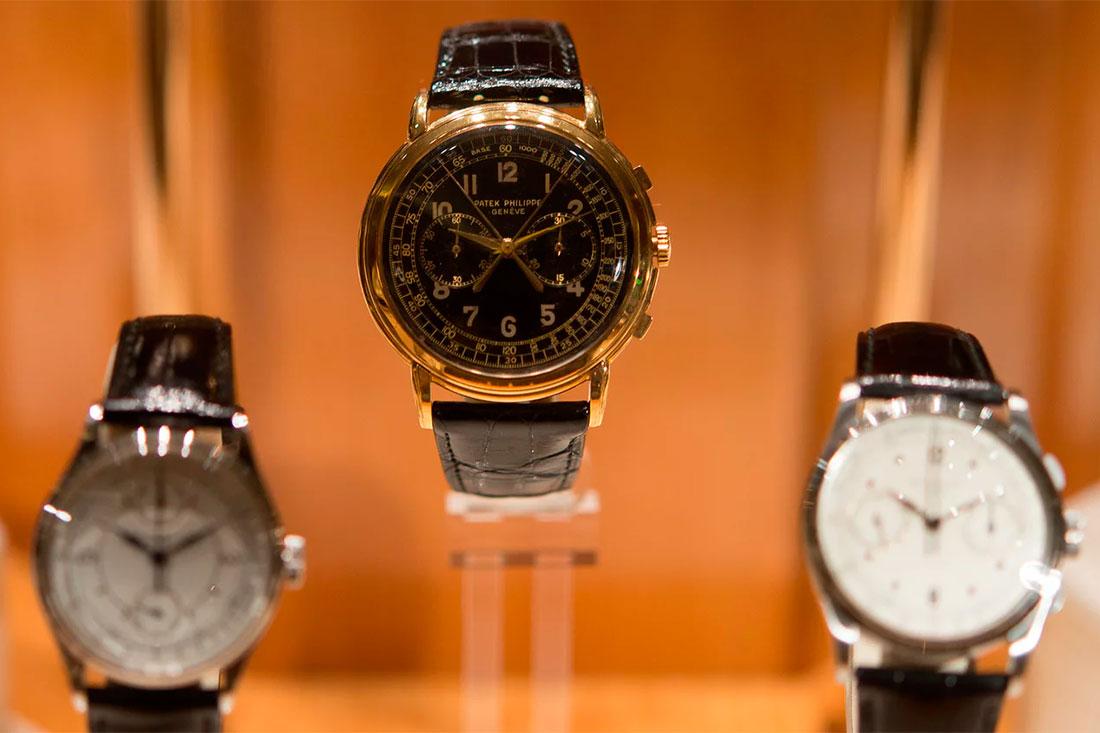
Housed in a factory from the early 20th century, the museum will tell anyone interested about five centuries of the ups and downs of local watchmaking masters. The highlight of the museum is an amazing exhibition of music boxes, watches, and portrait miniatures from the 16th to the 20th century, which were mostly collected in Geneva and Switzerland.
You will also learn about the origins of the Patek Philippe brand, founded in 1845 by talented watchmakers Antoni Patek from Poland and Adrien Philippe from France. On the first floor, there are replicas of workbenches with all the original tools needed for watchmaking.
Here you can also see a real Swiss watchmaker at work.
Address: Patek Philippe Museum, Rue des Vieux-Grenadiers, Geneva, Switzerland.
Palais des Nations
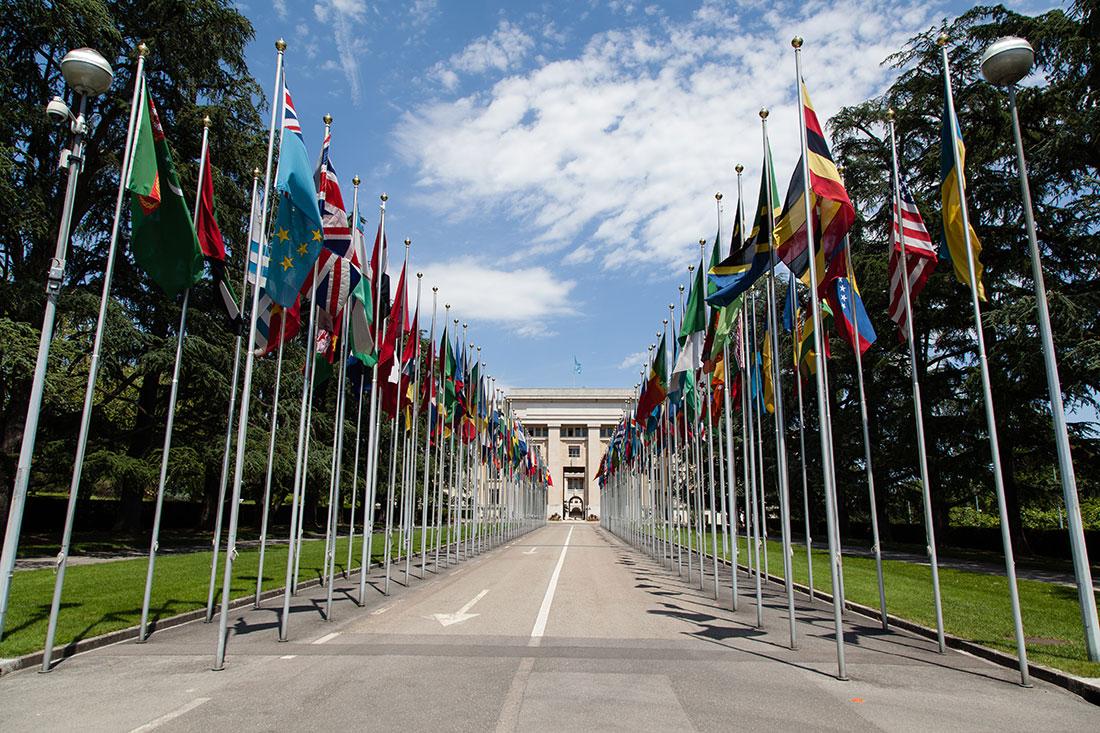
What to see in Geneva for those who can't live a day without politics? Of course, it's the Palais des Nations. If you didn't know, Geneva hosts the second most important office of the United Nations (after the UN Headquarters in New York). The Palais des Nations was built in the 1930s as the headquarters of the League of Nations - the organization considered a predecessor to the modern UN.
The complex is still actively used, hosting thousands of intergovernmental meetings annually, and it is also open for tours conducted in 15 different languages.
Access levels depend on the current business schedule, but typically, tourists are taken to the Human Rights Room and the Alliance of Civilizations Room, the vast Assembly Hall, the Waiting Room, and the Meeting Room where the most significant political negotiations of the era took place.
Address: Palais des Nations, Geneva, Switzerland.
Bains des Pâquis
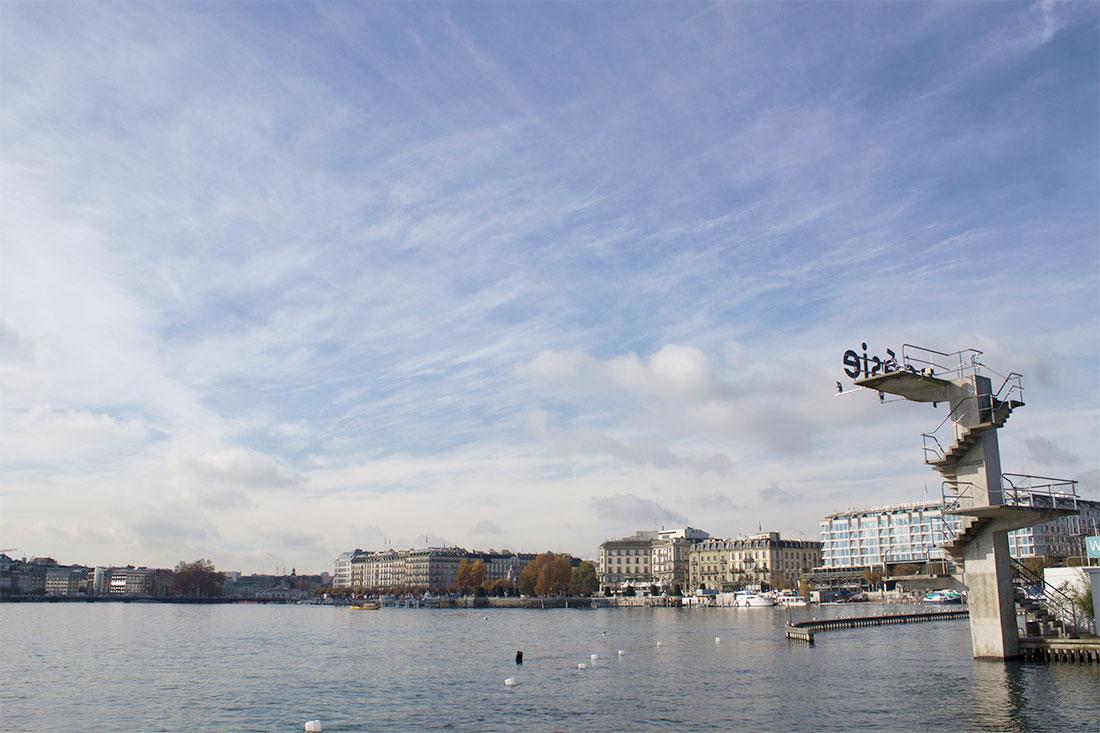
Bains des Pâquis is a public bath located along the pier on the west bank of Lake Geneva, close to the fountain. It is not just a beach, but a whole cultural space where people come to relax and connect.
The outdoor pool is incredibly popular during the warm season. You can sunbathe on the pier, and in the various snack bars, you can sample local delicacies. This season, free poetry and classical music performances are held in the baths in the mornings.
In winter, you can enjoy swimming in the open pool for free and then relax in the sauna and hammam.
Address: Bains des Pâquis, Quai Mont-Blanc, Geneva, Switzerland.
Mont Salève

Even when it's cloudy in Geneva, this mountain peak, located on the outskirts of the city, usually enjoys bright sunshine and offers great views of the city. That's why Mont Salève, reaching a height of 1400 meters, is often called the 'balcony of Geneva.' It has a separate cable car that takes you to the top in just five minutes.
The funicular has been operating since 1932 and replaced the world's first electric-powered railway, built back in 1892. Hiking enthusiasts can take the opportunity to walk up the mountain along a specially designated route.
At the mountain's summit, there are cafes, and stunning views of Geneva, the lake, and Mont Blanc can be seen.
Address: Mont Salève, Beaumont, France.
Botanical Garden of Geneva
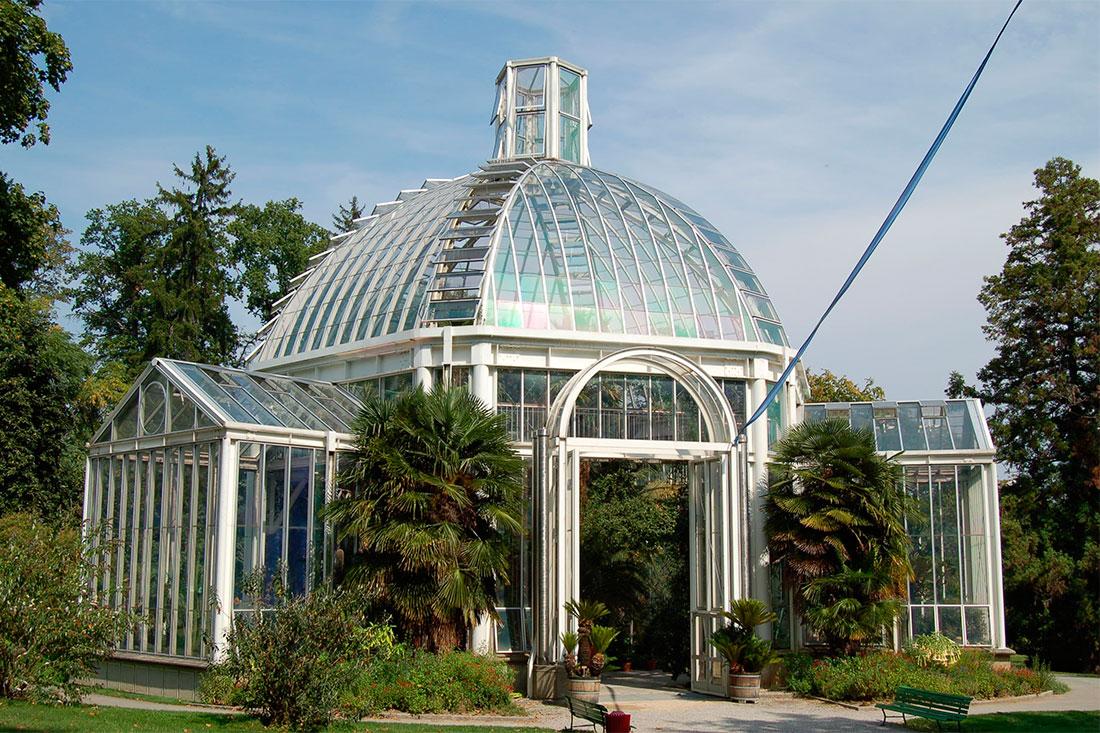
The Geneva Botanical Garden is located on the western shore of the lake - a railway separates it from the Palace of Nations. Gardeners will surely be impressed by the park with 14,000 species of plants collected from all over the world.
The local herbarium holds a collection of over six million dried flowers and plants.
In the park, you will find hundreds of flowerbeds, several ponds, and a beautiful glass and metal greenhouse housing a magnificent winter garden. The park is divided into several thematic sections, with the rose garden being particularly popular in June and July. The park also has a zoo with deer and waterfowl.
Address: Conservatoire et Jardin Botanique, Chemin de L'Imperatrice, Prangins-Chambésy, Switzerland.
Contact Information:
20 attractions in Bern to seeMuseum of the Reformation
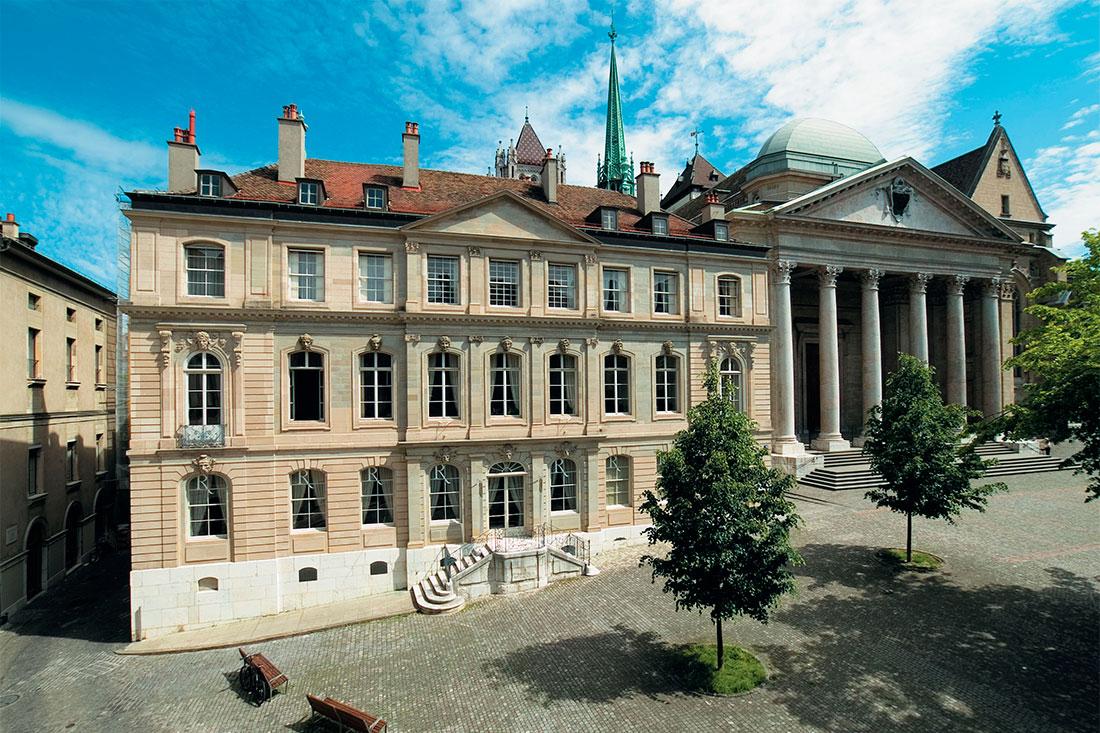
Considering Geneva is the birthplace of John Calvin, you have a unique chance to hear the truest account of the Reformation in Europe. This defining chapter in the city's history is detailed in the museum located next to St. Peter's Cathedral.
The museum's exhibitions carry significant historical weight due to a rich archive of authentic documents: here, you can study medieval manuscripts, engravings, paintings, and early printed materials, as well as watch a modern 15-minute film describing the Reformation phenomenon.
The location is also historically significant, as the museum is situated on the site of the former courtyard of St. Peter's Cathedral, where in 1536 the decision was made to establish the church reform.
Address: International Museum of the Reformation, Rue du Cloître, Geneva, Switzerland.
Geneva Museum of Art and History
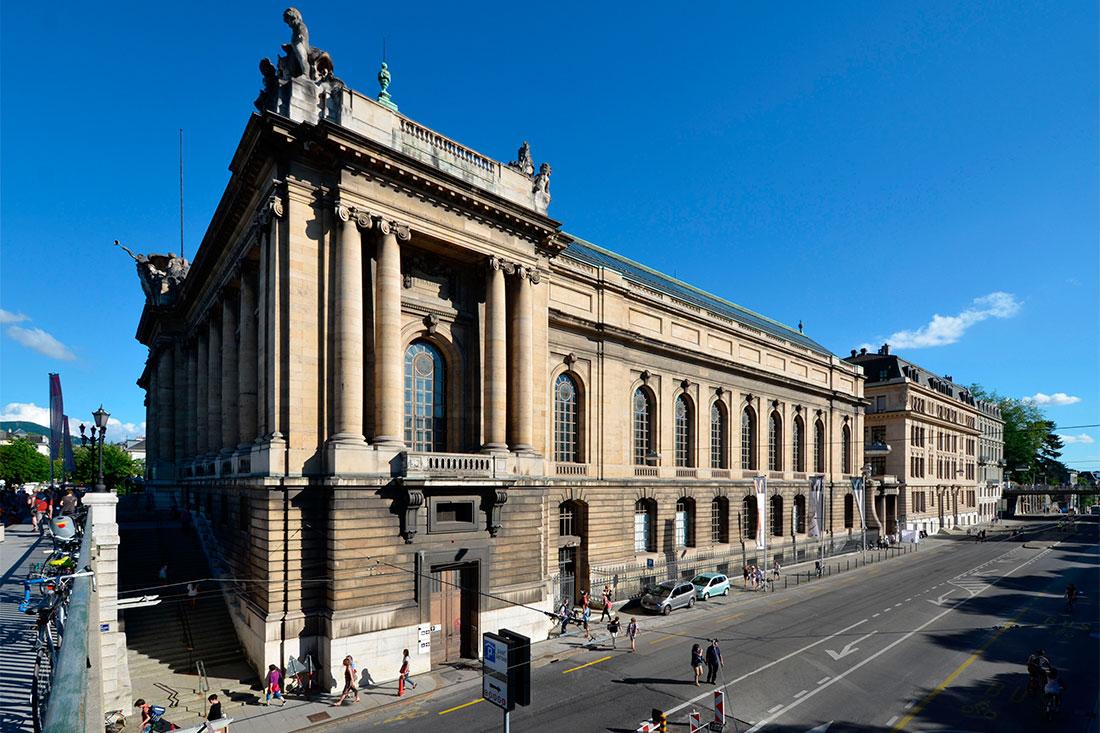
The Geneva Museum of Art and History is located in the city center in the Le Tranche area. It features extensive exhibits of visual art, applied arts, and archaeology. A strong point of the museum can be considered works by Swiss and Geneva masters, so you can immerse yourself in the work of portraitist Jean-Étienne Liotard and caricaturist Rodolphe Töpffer.
The painting you simply must see when visiting the museum is 'The Miraculous Catch of Fish' by Konrad Witz. It adorned the altar of St. Peter's Cathedral and became famous for being the first realistic depiction of a landscape in European art.
Byzantine icons, textiles, silver, and musical instruments are kept in the applied arts section, while the archaeology section will allow you to view a 3000-year-old Egyptian mummy.
Address: Musée d'art et d'histoire, Rue Charles-Galland, Geneva, Switzerland.
Natural History Museum
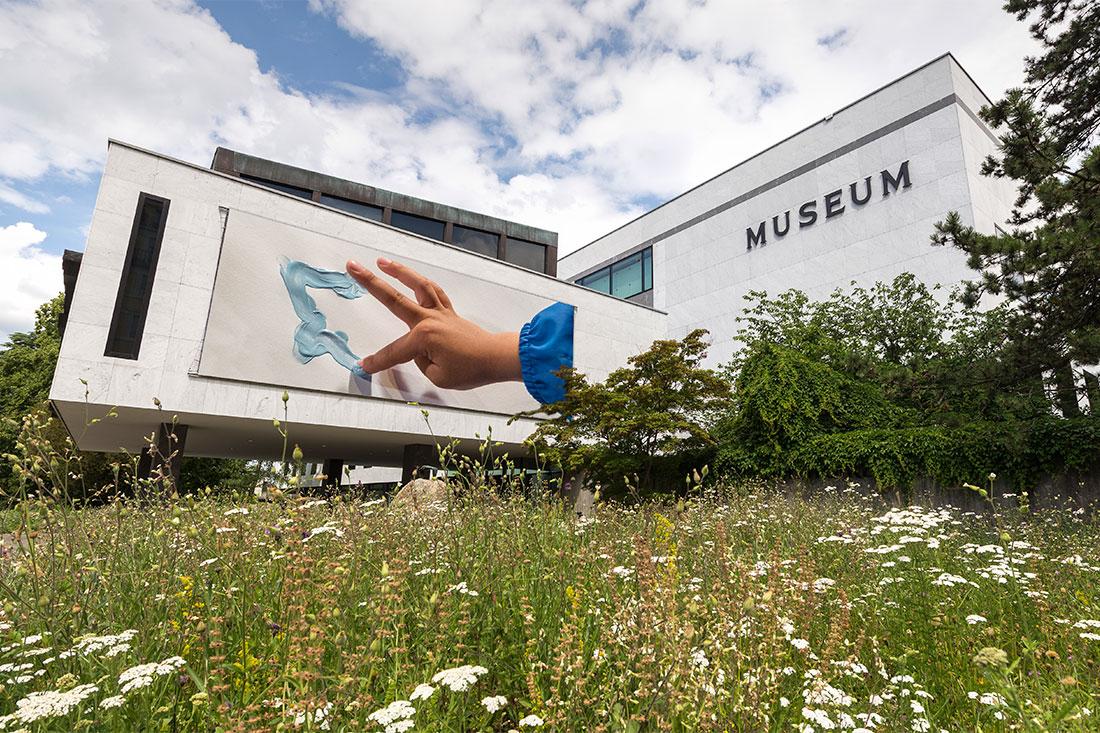
The largest Swiss Natural History Museum opened its doors in the 1960s. Its collection includes insects gathered by the famous entomologist of the 18th and 19th centuries, Louis Jurin. However, most visitors are drawn to the 'army' of stuffed animals displayed on the first floor.
In the museum, there are also live representatives of exotic fauna, among which a special place is held by Janus - a two-headed tortoise, born in the museum's incubators in 1997. The first three floors of the museum are dedicated to the animal kingdom, while the two upper floors cover a variety of topics, from geology to astronomy.
At the very top, you can view real moon rocks and see a bronze statue of a fossilized Australopithecus (ancestor of ancient humans who inhabited our planet 3.2 million years ago).
Address: Natural History Museum, Route de Malagnou 1, 1208 Geneva, Switzerland.
Ariana Museum
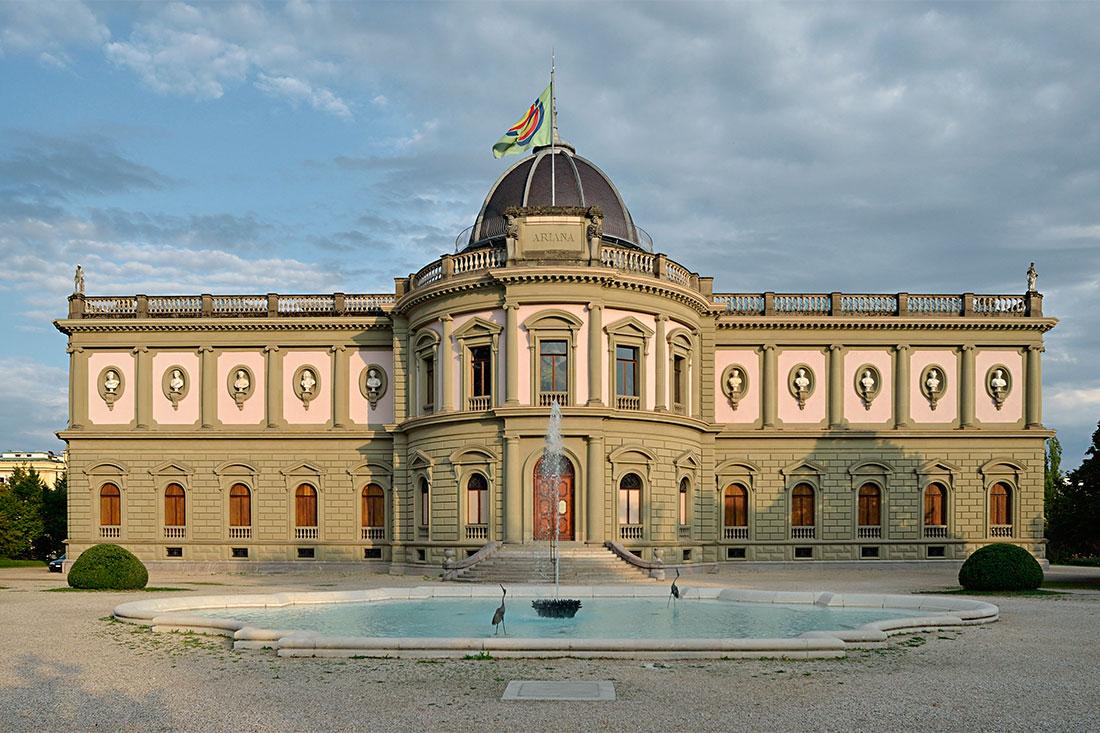
The Geneva Museum of Ceramics and Glass is located in a neo-Baroque palace, found near the UN Palace of Nations. The Ariana Museum was founded in the 1880s by a well-known collector, Gustave Revilliod, who decided to name his creation after his beloved mother.
The museum galleries hold 20,000 ceramic and glass exhibits spanning 12 centuries of history and all corners of the globe. Here you can find all types of ceramics and porcelain-from common clay to rare Chinese glass.
Perhaps the most interesting feature of the collection includes pieces of Japanese and Chinese porcelain from the 16th to the 18th centuries that were intended for export. They shed light on the development of trade relations between vastly different cultures of the time.
Address: Musée Ariana, Avenue de la Paix 10, 1202 Geneva, Switzerland.
Parc de la Grange
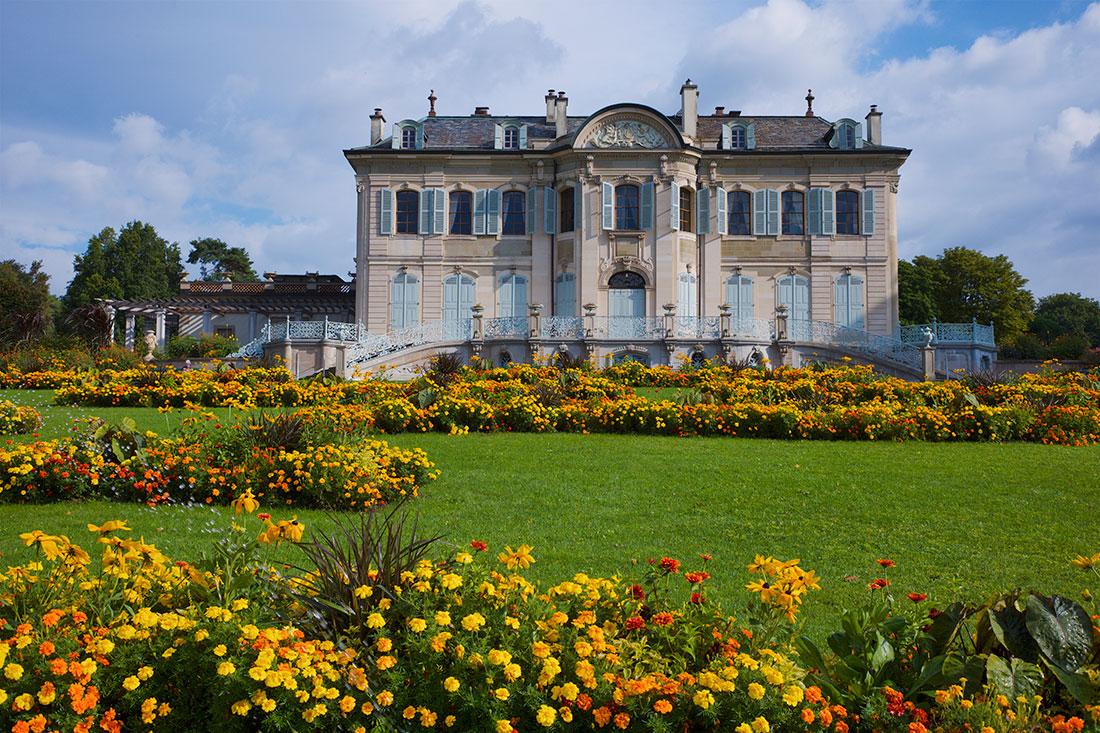
The largest, and arguably the most beautiful, park in the city can be found along the lake by the Quai Gustave-Ador. The stone steps of the park were hewn directly from the rock. For 2000 years, this space has been inhabited by affluent representatives of various cultures - for example, the ruins of an ancient Roman villa sit side by side with lavish 18th-century mansions.
In 1918, the last resident of the villa bequeathed the park to the city. The Grange hosts two theaters, and from May to September, diverse theatrical performances take place here, but the park's 'highlight' is the rose garden, which in summer blooms with over ten thousand bushes of two hundred different varieties.
Address: Parc de la Grange, Quai Gustave-Ador, Geneva, Switzerland.
Maison Tavel
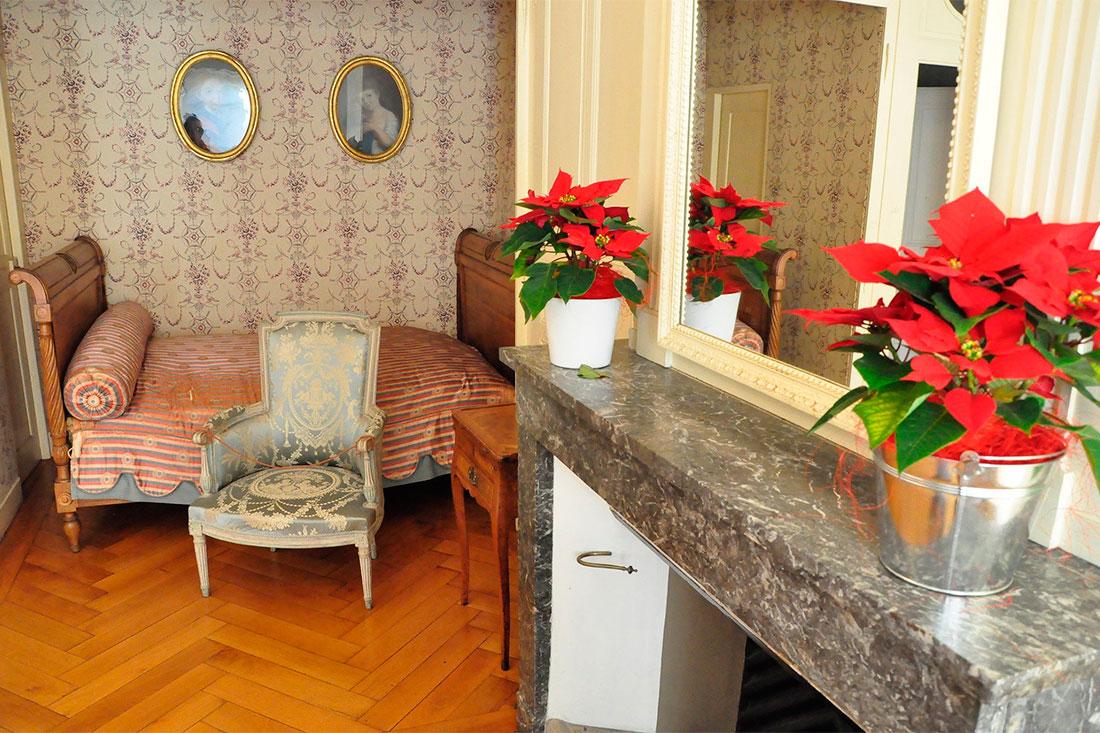
Maison Tavel is a branch of the Museum of History and Art, located in an ancient house on Puits-Saint-Pierre Street in the center of the Old Town. It is the oldest private house in Geneva, rebuilt in the 14th century after a fire destroyed a significant part of Geneva in 1334. Each room tells something interesting about the history of Geneva.
On the top floor, visitors can watch a video showcasing the natural landscape of Geneva and the gradual growth of the city over time. All the rooms in the house, including cellars, kitchens, and apartments, are decorated in various historical styles. They are all furnished with antiques, paintings, and vintage tableware.
Address: Maison Tavel, Rue du Puits-Saint-Pierre, Geneva, Switzerland.
English Garden
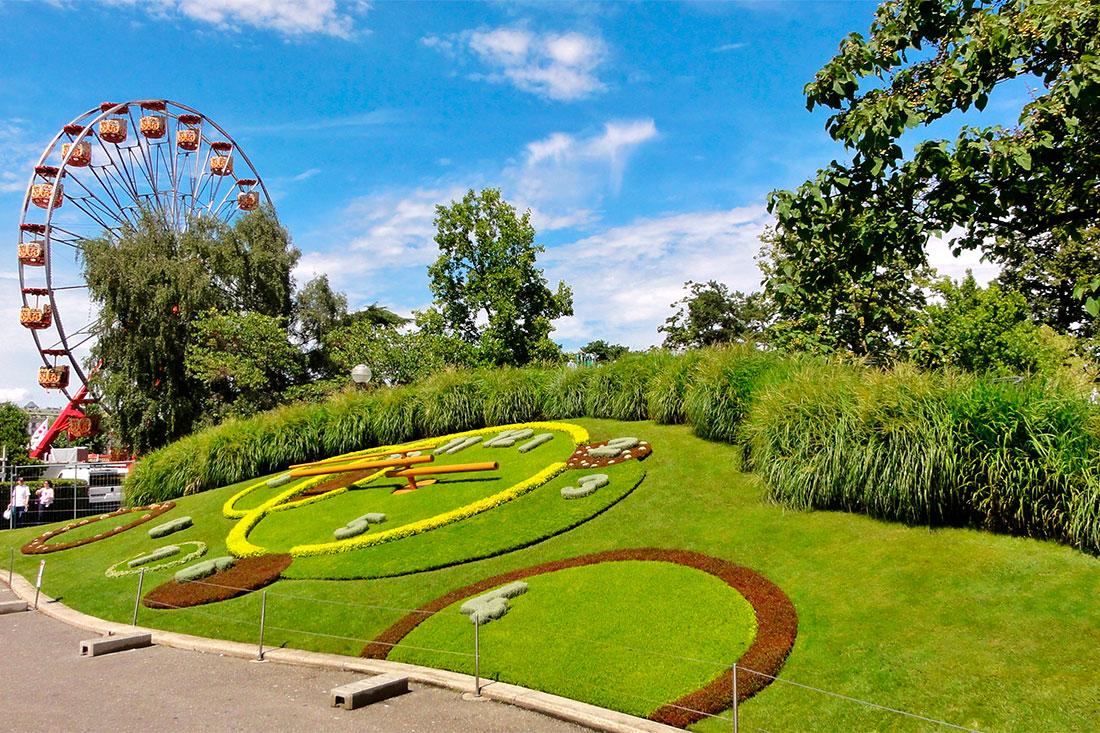
In 1854, the authorities of Geneva decided to create a lovely garden in the English style north of the Old Town. It was built right on the shoreline at the site of an old harbor. The garden has been expanded and added to several times since then.
Its central element is a fountain manufactured in 1862 at a French foundry in Val d'Osne. Several winding paths extend from this monument leading to the quay, where you can admire the lake and take photos against the backdrop of the majestic Geneva fountain.
Be sure to find the garden's symbol - the large floral clock, which pays tribute to Geneva's watchmakers.
Address: Jardin Anglais, Quai du Général-Guisan, Geneva, Switzerland.
Quai du Mont-Blanc
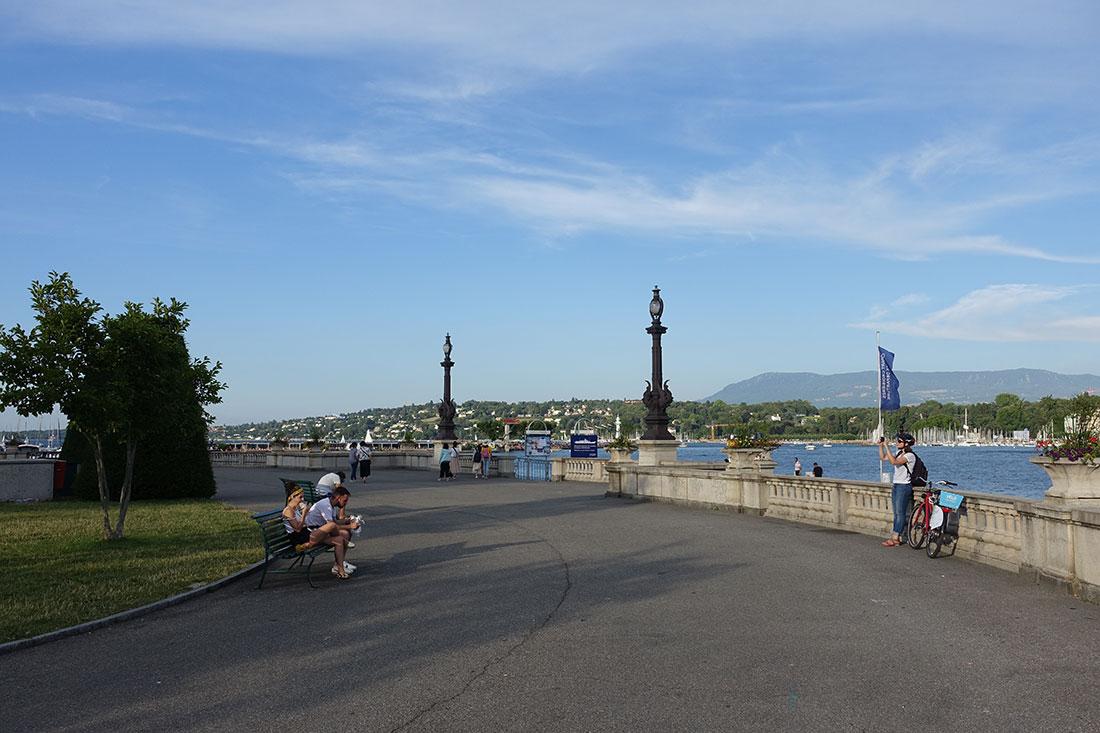
Quai du Mont-Blanc stretches along the northern shore of Lake Geneva, offering stunning views of the Mont Blanc mountain range, especially beautiful in the late clear day. In 1898, an Italian anarchist assassinated the Austrian Empress Elisabeth at the pier in front of the Beau Rivage hotel, for whom a memorial was erected here.
Just behind the quay stands the majestic Brunswyck Monument, a mausoleum modeled after the Scaliger tombs in Verona. It was built in honor of Duke Charles Brunswyck, who in his lifetime ordered the construction of a mausoleum for his own burial.
Address: Quai du Mont-Blanc, Geneva, Switzerland.
International Red Cross and Red Crescent Museum
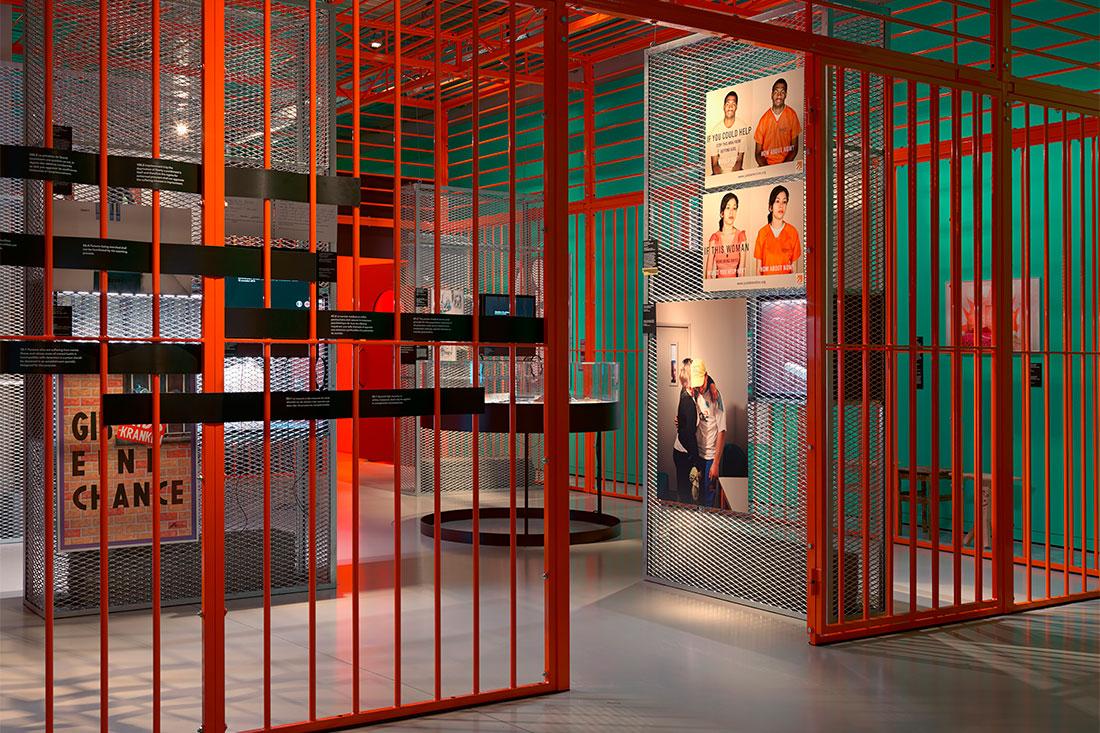
The museum of this international humanitarian organization was founded in 1988. In the early 2010s, it was completely remodeled and reopened to visitors in 2013, presenting an innovative exhibition titled 'Humanitarian Adventure.'
The space is divided into three zones, each detailing one area of the organization's work: protecting human dignity, restoring family links, and reducing natural threats.
Each zone was designed under the guidance of leading designers worldwide. The exhibits convey information in quite an unconventional manner to evoke more emotions from visitors.
Address: International Museum of the Red Cross and Red Crescent, Avenue de la Paix, Geneva, Switzerland.
Parc des Bastions
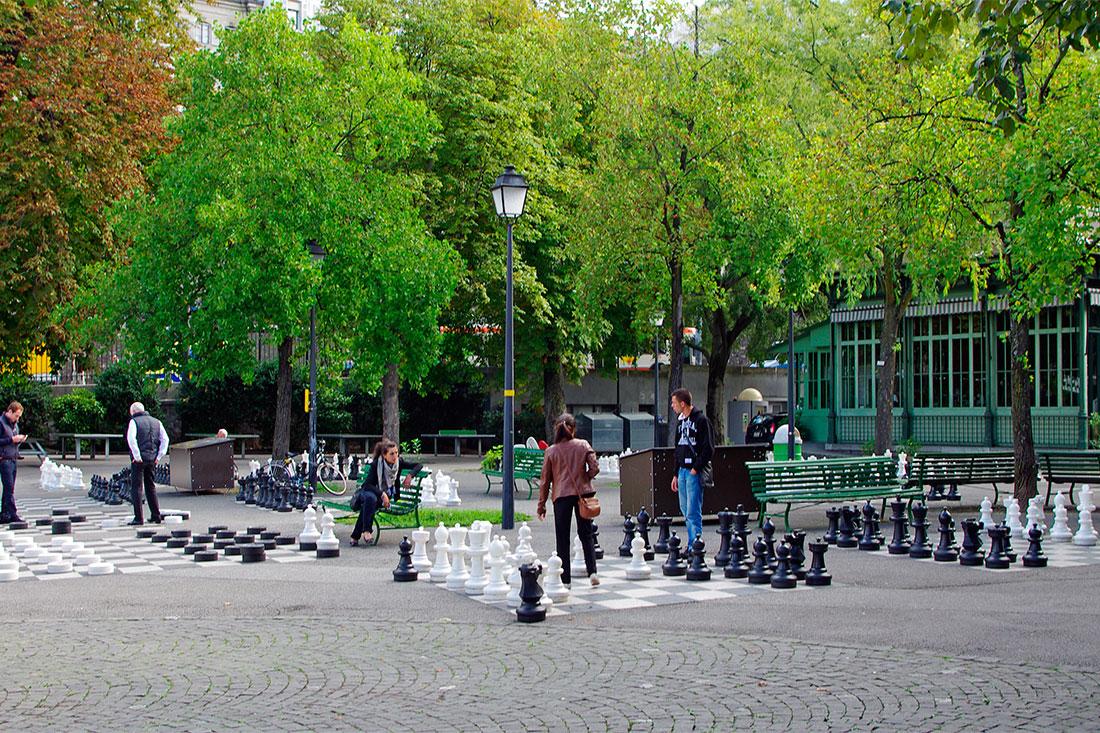
This park, located near Place Neuve, received its interesting name as it is literally wedged between the protective bastions of the 16th century and fortifications built a century later. It also houses the oldest university building in the city, established in 1873.
Every year on June 21, concerts are held in Parc des Bastions as part of the international Fête de la Musique festival. The park offers chess boards and tables for ping pong, and in winter, an ice rink opens for active visitors.
Be sure to visit the international monument to the Reformation erected in 1909 along the defensive structures of the 16th century. Along the long wall stand the figures of John Calvin, John Knox, Theodore Beza, and William Farel - all of whom played significant roles in the establishment of the Reformation.
Address: Parc des Bastions, Promenade des Bastions, Geneva, Switzerland.
Quartier des Grottes
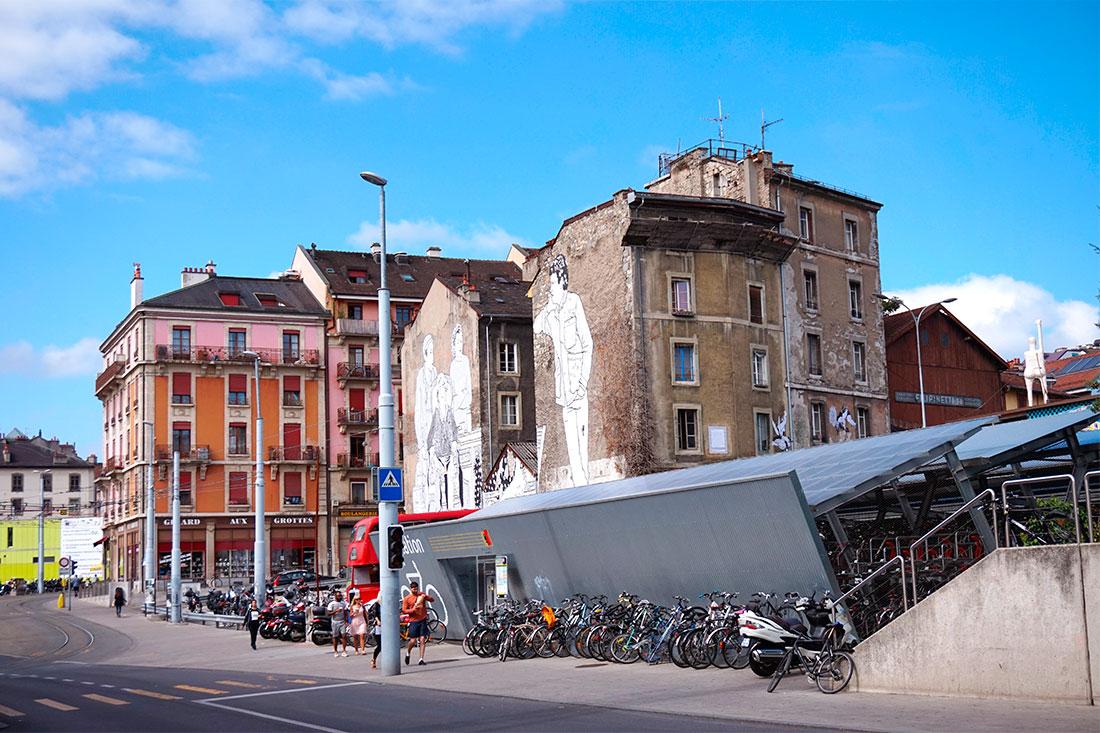
In this district of Geneva, located near the very center, lives one-tenth of the city's residents. Les Grottes can shatter your impressions of Geneva as a posh and calm city, as this area is characterized by chaos, energy, and bohemianism.
Since the 1960s, this place has been favored by anarchistic communes and counter-cultural representatives, and although the area has been significantly transformed in recent years, the turbulent winds of the past can still be felt. 1980s apartment buildings with bright facades still look as if designed by Gaudí himself.
Address: Les Grottes, Geneva, Switzerland.
Carouge District
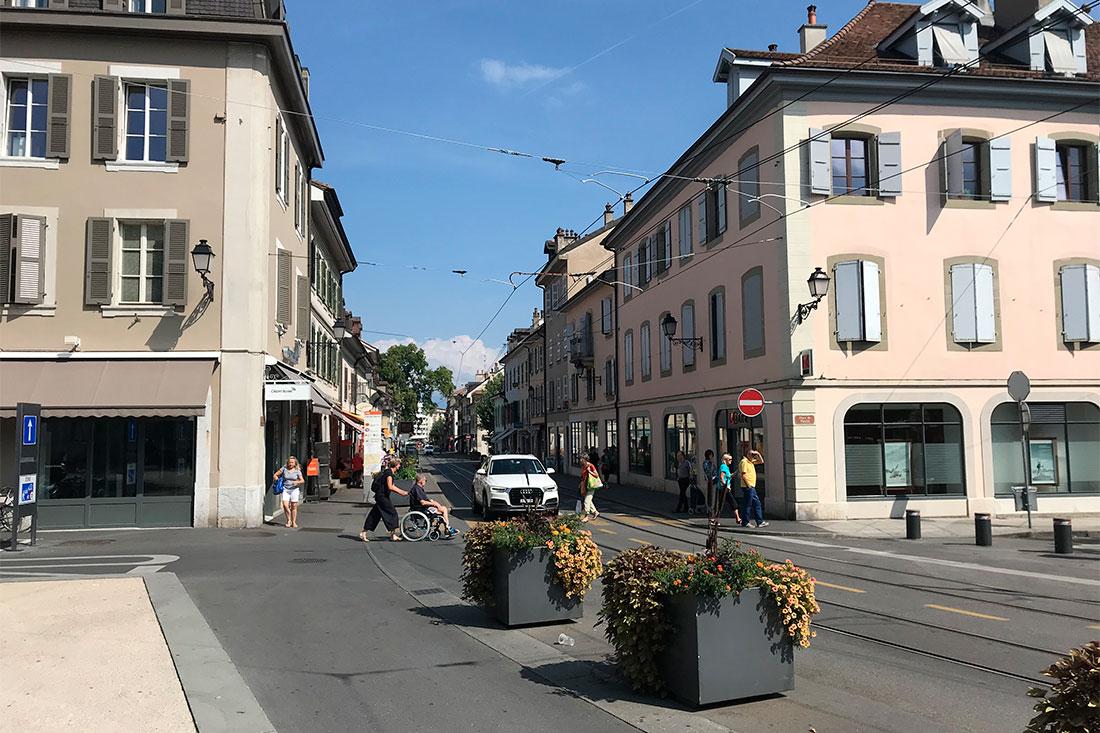
Until 1816, this area south of the old town was essentially a separate city. Today, Carouge is the result of intensive construction initiated by the King of Sardinia in 1786. The district's design borrows elements from Nice and southern Italy, and this Mediterranean accent is evident in the design of the Palazzo, Church of the Holy Cross, and several historic mansions.
As you stroll through the Carouge district, you'll find many antique boutiques and shops selling handmade goods. On Wednesdays and Saturdays, a flea market opens at Place de Marchéon.
Address: Carouge, Switzerland.
Contact Information:
26 attractions in Nice to seePlainpalais Flea Market
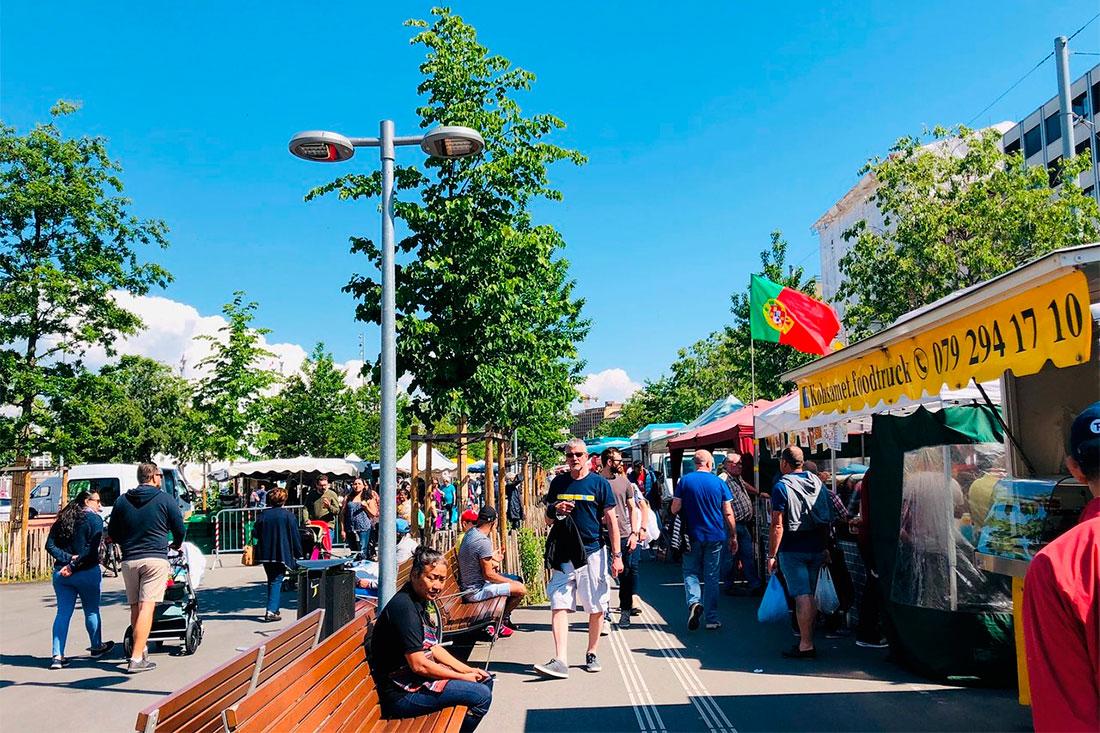
Geneva's main flea market opens on Wednesdays and Saturdays, as well as the first Sunday of the month. Here, you can find interesting antiques, vintage furniture, handmade items, books, jewelry, household goods, and especially clothing at good prices.
As with any flea market, your chances of buying something worthwhile depend on luck and patience, as well as the day of the week: for instance, more knowledgeable collector-traders come to the market on Saturdays.
Address: Marché de Plainpalais, Plaine de Plainpalais, Geneva, Switzerland.
Museum of Far Eastern Art
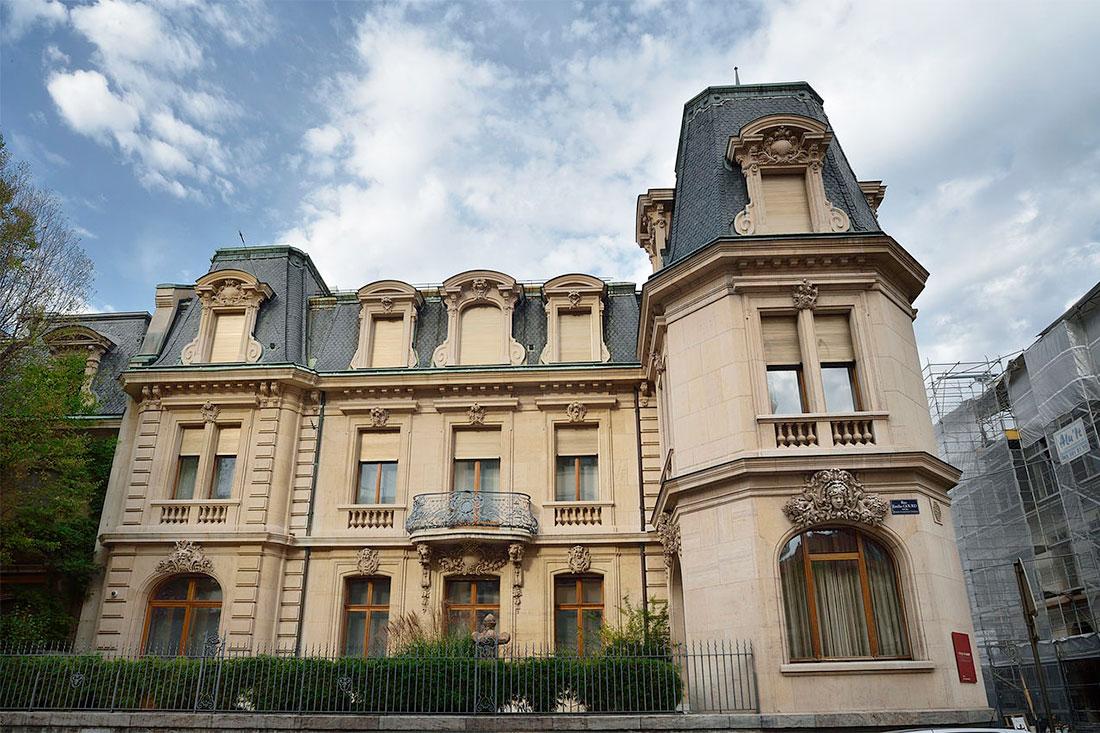
A luxurious collection of Far Eastern artworks is housed in a historic mansion. Many of the artifacts from Japanese and Chinese cultures were collected by one man - Alfred Baur, who was born in 1861 and once worked for a trading company based in Sri Lanka.
During his travels, he developed a taste for Eastern art, so when he returned to his native Switzerland, he brought back invaluable Chinese jade bottles and porcelain dating back to the 8th century.
In Japan, he collected a variety of miniature sculptures (netsuke), swords, wooden prints, and other household items. Over the past hundred years, the museum's collection has grown to 9,000 exhibits.
Address: Museum of Far Eastern Art, Rue Munier-Romilly, Geneva, Switzerland.