
- 1. Zhongyang Street (Arbat)
- 2. Dragon Tower
- 3. St. Sofia Cathedral
- 4. Protection of the Holy Virgin's Church
- 5. Iver Church
- 6. Alexievsky Church
- 7. Cathedral of the Sacred Heart of Jesus
- 8. Harbin Grand Mosque
- 9. Cile Monastery
- 10. Harbin Grand Theatre
- 11. Tiger Park
- 12. Zhaolin Park
- 13. Museum of Unit 731
- 14. Museum of Science and Technology
- 15. Heilongjiang Provincial Museum
- 16. Park 'Window to Europe and Asia'
- 17. Sunhua River Embankment
- 18. Stalin Park
- 19. Cable Car Over the Songhua River
- 20. Sun Island Park
- 21. Harbin Polar Oceanarium
- 22. Wanda City Amusement Park
- 23. Yabuli International Ski Resort
- 24. Volga Manor
- 25. Heilongjiang Forest Botanical Garden
- 26. Map of Harbin's Attractions
- 27. Best Value Hotels in Harbin
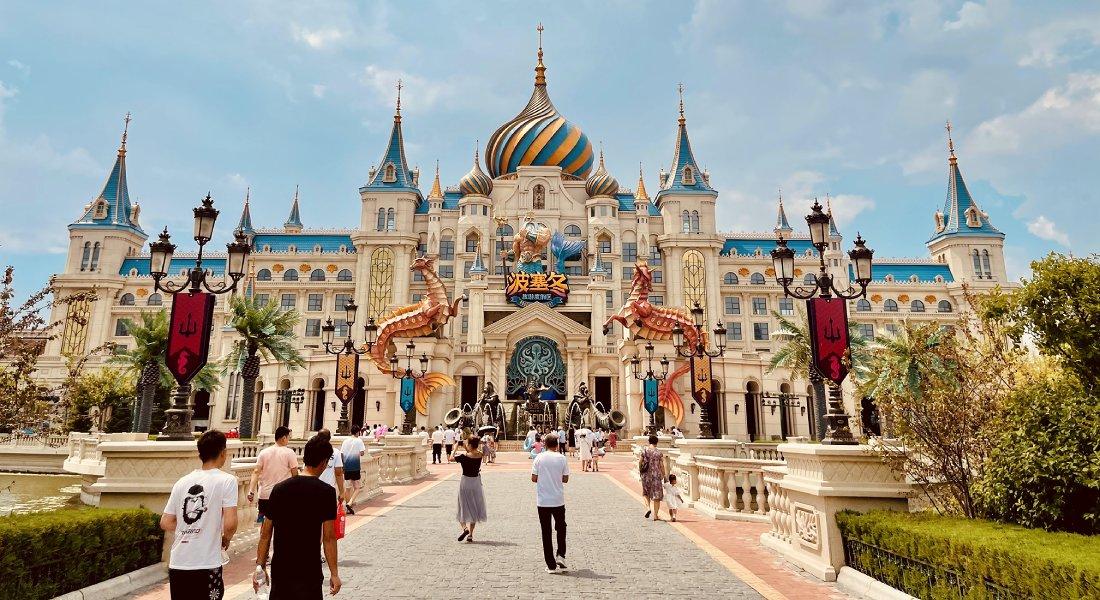
Founded by émigrés from Russia and long considered one of the main destinations for Russian emigrants, Harbin is regarded as the most Russian city in China. This has inevitably influenced the local culture, which is why it's not surprising to find Orthodox churches scattered throughout the city, and the architectural style evokes a sense of nostalgia.
However, since the times when there were almost as many Russians as there were Chinese, much has changed, and Harbin has transformed from a small settlement near a major railroad junction into one of the most developed megacities in Northeast China.
Many beautiful and interesting landmarks have emerged here, deserving of your attention, and you will definitely find plenty to see and do.
Zhongyang Street (Arbat)
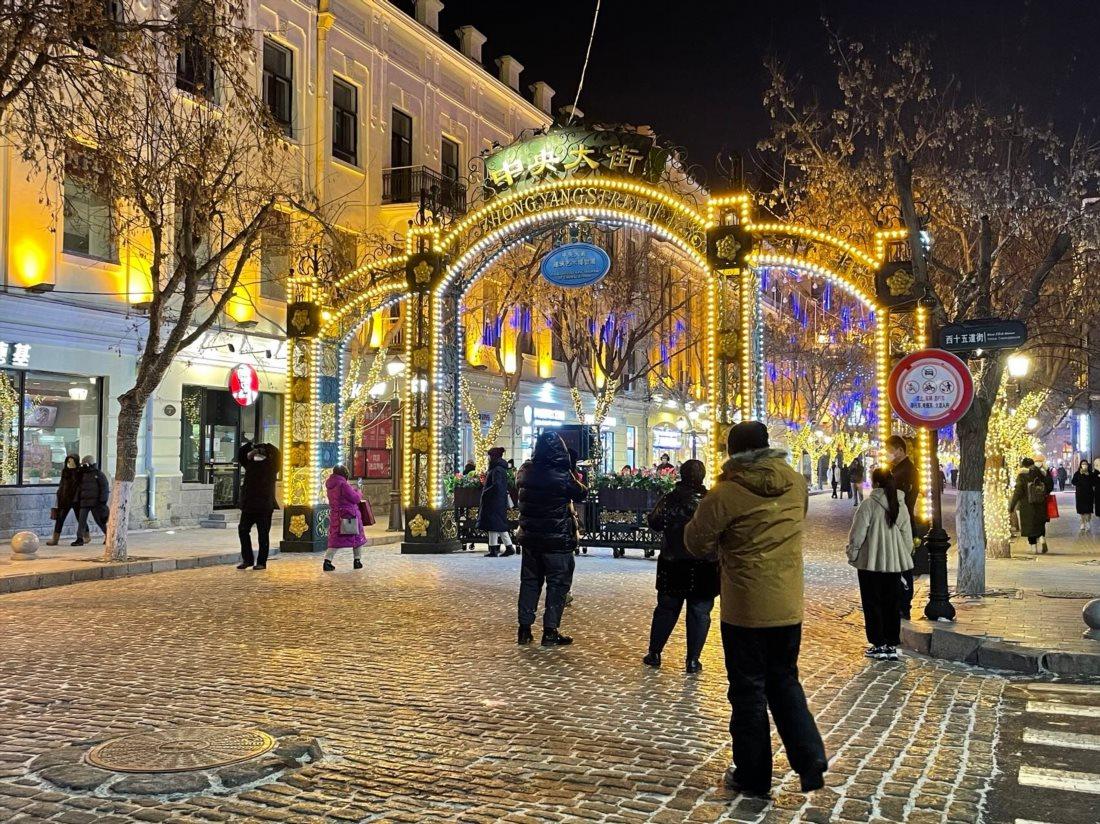
Established in 1898, this street was originally named Chinese Street as it was meant for Chinese residents. In 1925, it was renamed Central Street (Zhongyang Dajie), which accurately reflects its current map designation.
In 1996, the Harbin authorities decided to transform Central Street into a pedestrian street, after which the locals nicknamed it the Arbat.
A distinct feature of Harbin's Arbat is that throughout the 20th century, people from all corners of the world lived on this street, influencing the appearance of the avenue.
Those who have never been to Moscow, Paris, or Rome can get a sense of the architecture of these cities just by strolling along Central Street in Harbin. The block combines elements of baroque, art nouveau, renaissance, and eclectic styles-a true gallery of European architectural art.
Today, Zhongyang Dajie is one of the most popular attractions among tourists in Harbin. Walking along the cobblestone streets, you can not only admire the elegant low-rise architecture but also indulge your shopping passion.
This 1.5-kilometer street is filled with a wide variety of shops, restaurants, and souvenir stalls. Chinese cafes sit alongside Japanese and Russian restaurants, while American fast-food chains share space with boutiques from French fashion houses, meaning everyone will find something here.
The Arbat shines especially in the evenings when colorful illuminations come to life. In winter, it's not only beautiful but also fun; there are folk celebrations, dog sledding, and the celebration of the Chinese New Year.
GPS Coordinates: 45.77965026211834, 126.61732270304518
Dragon Tower
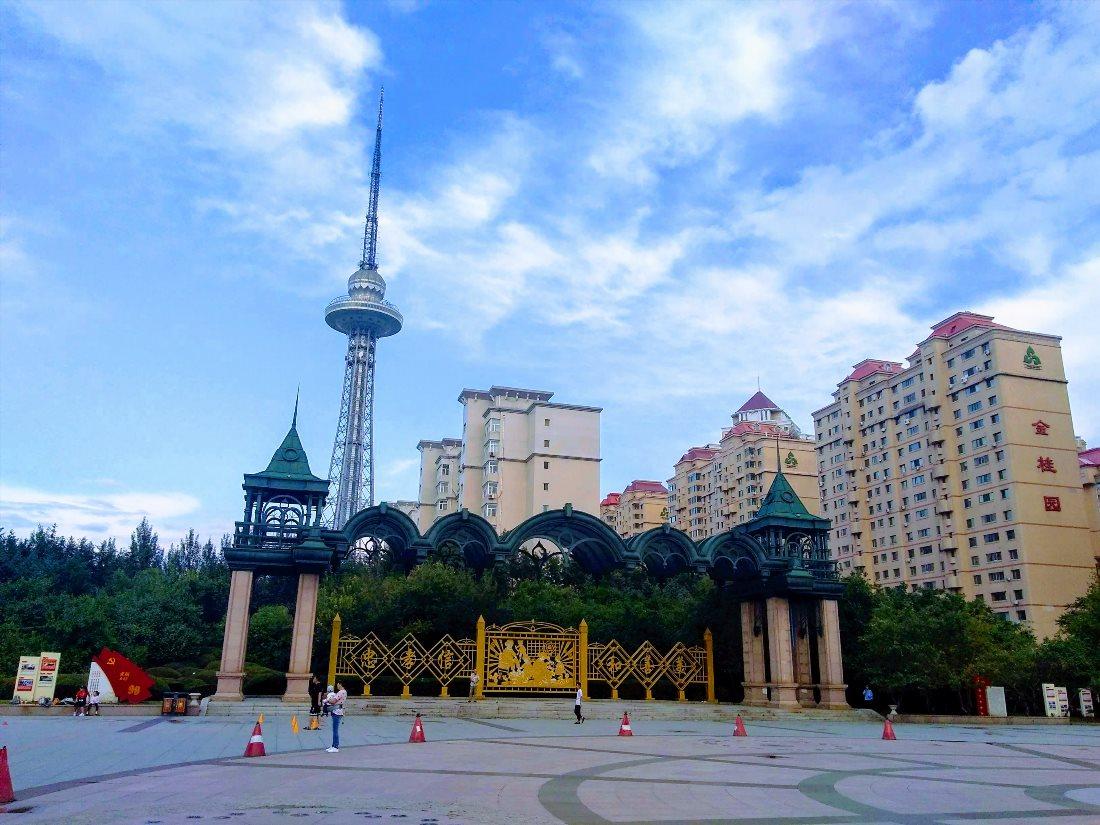
One of the top attractions in Harbin is the Dragon Tower, which emerged at the turn of the 21st century and has already become one of the main symbols of the city. Standing at 336 meters tall, it is the second tallest all-steel tower in the world. This alone is enough to entice tourists to take a look at the giant.
However, don't limit yourself to just viewing it from the outside; make sure to go inside, as this communications tower is also a hub for various entertainment options for guests.
On the lower floors, you will find several fairly interesting museums, at 180 meters high is a viewing platform with a glass floor, slightly above that is a rotating restaurant, and at 190 meters above the ground is another viewing platform that offers a thrilling experience for those daring enough to walk along its edge, while at 210 meters are the highest swings in the country that extend out beyond the platform.
The Dragon Tower is also stunning at night when it is illuminated by over a thousand floodlights.
Address: Long Ta, 178 Changjiang Rd, Nangang, Harbin, Heilongjiang, China.
St. Sofia Cathedral
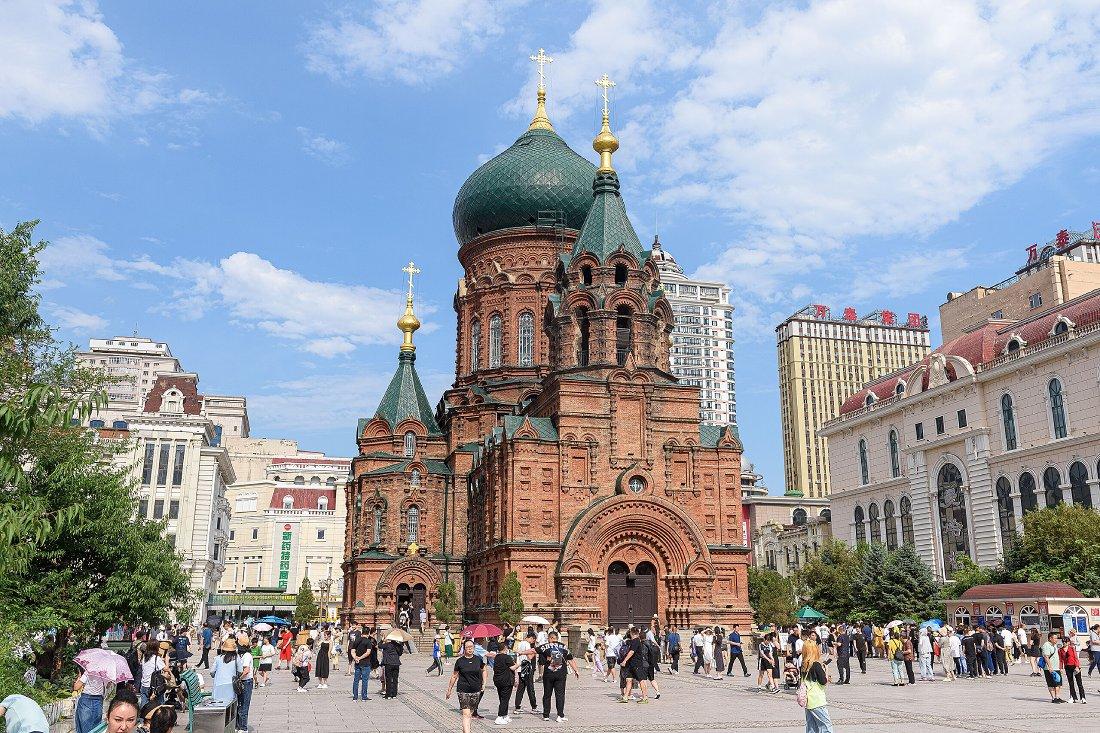
Historically, Harbin was a Russian city established on Chinese soil. It's not surprising that more than two dozen Orthodox churches were built here, some of which have survived to this day. The largest among them is the three-domed St. Sofia Cathedral, erected in 1907.
In the second half of the 20th century, when most Russians left Harbin, St. Sofia Cathedral was closed and soon fell into disrepair. However, the building, which combines Byzantine and pseudo-Russian styles, has been preserved and remains a symbol of Russian Harbin. It looks particularly majestic and beautiful at night when it is lit up.
In 1997, the church, which had long ceased to function, was converted into an Architecture Museum, where visitors can see thousands of photographs portraying the city's history, models of all prominent buildings in Harbin, as well as several preserved icons and a sculpture of Jesus Christ.
Address: St. Sofia Cathedral, 88 Toulong St, Daoli District, Harbin, Heilongjiang, China.
Admission: paid.
Protection of the Holy Virgin's Church
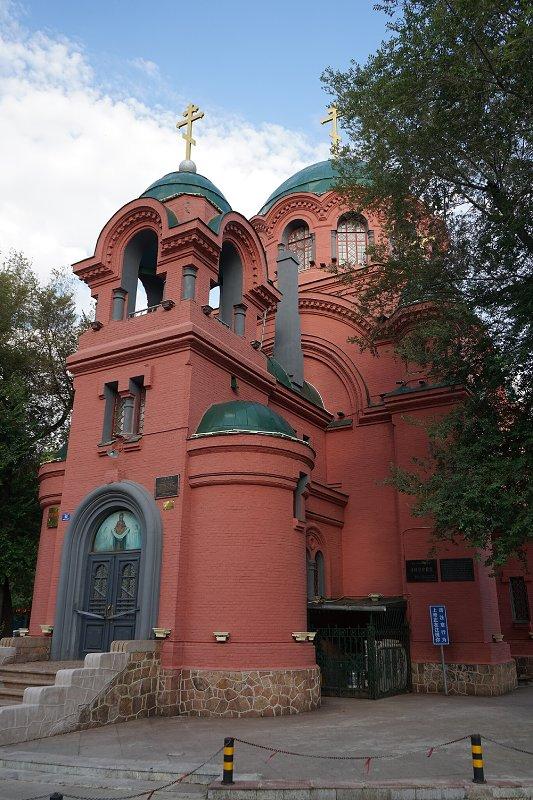
In 1930, the Protection of the Holy Virgin's Church was built at the Old Cemetery of Harbin, where Russian graves from the construction of the Chinese Eastern Railway and those who perished in the Russo-Japanese War were located.
At that time, this church, built in the Russian-Byzantine style with massive red brick walls, green domes, and a tall bell tower, was often referred to as the Ukrainian Church, as it was primarily used by members of the Ukrainian community.
Closed during the Cultural Revolution, the Protection of the Holy Virgin's Church reopened in 1984 and is now the only functioning Orthodox church in Harbin.
Address: Protection of the Holy Virgin's Church, 268 Dongda St, Nangang, Harbin, Heilongjiang, China.
Iver Church
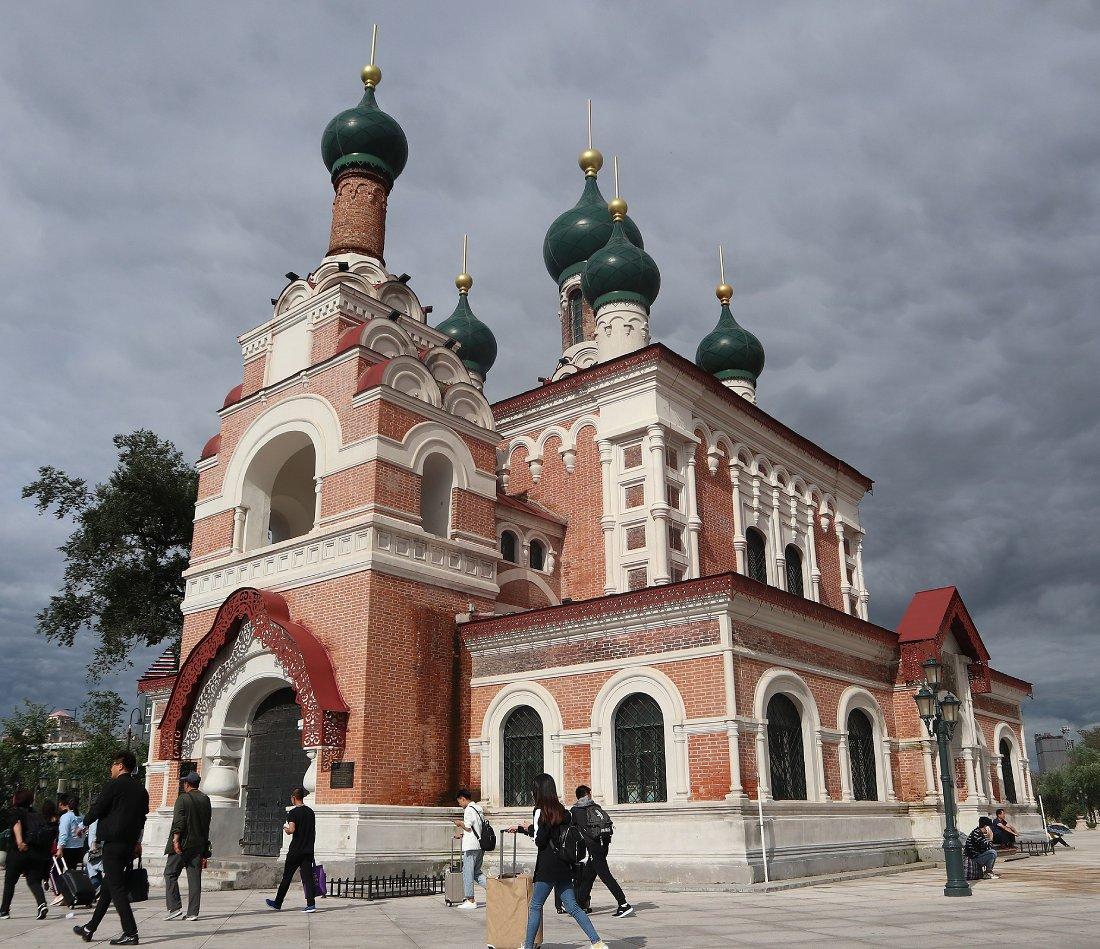
The church dedicated to the Iver Icon of the Mother of God is considered the oldest of all the surviving Orthodox churches in Harbin: this structure, resembling churches from the 17th century in Yaroslavl, was built in 1907. During the Cultural Revolution, the church was closed and eventually surrounded by a dense ring of taller buildings.
Neglected and forgotten, it entered the 21st century in a dilapidated state. In modern times, as a result of the area's redevelopment, the old church has once again come into view for the citizens. It has even been renovated, although it was not without flaws-a building with over a century of history was given a flashy new image.
Address: 45.76396219612832, 126.629123
Alexievsky Church
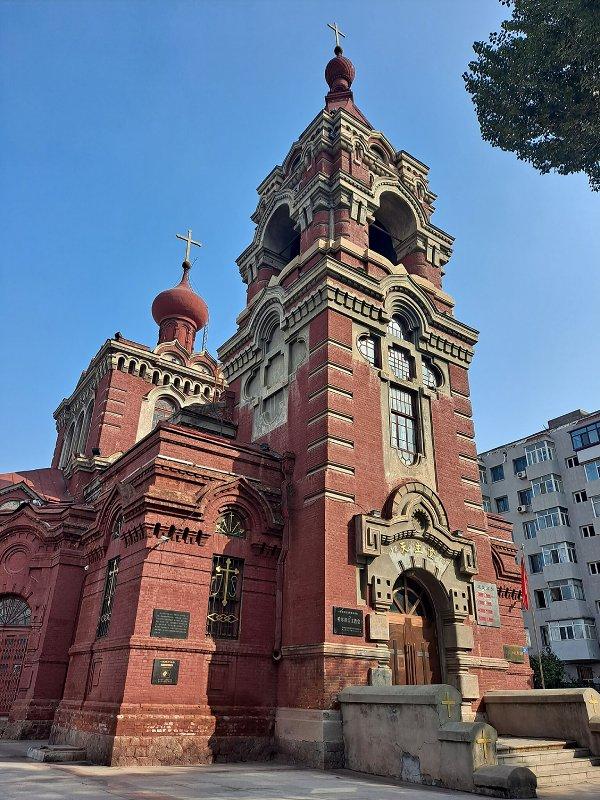
In 1912, a wooden church named St. Alexievsky was relocated to Harbin from the suburban settlement of Alexievka. Nearly a quarter of a century later, the existing stone structure in pseudo-Russian style replaced the wooden building.
In 1956, Alexievsky Church was closed, and in 1980 its renovated structure, which significantly stands out with its ornate appearance against the backdrop of modern residential buildings, was handed over to the Catholic Patriotic Association of China. The Orthodox church was converted into a Catholic church...
Address: Church of the Intercession, 268 Dongda St, Nangang, Harbin, Heilongjiang, China.
Cathedral of the Sacred Heart of Jesus
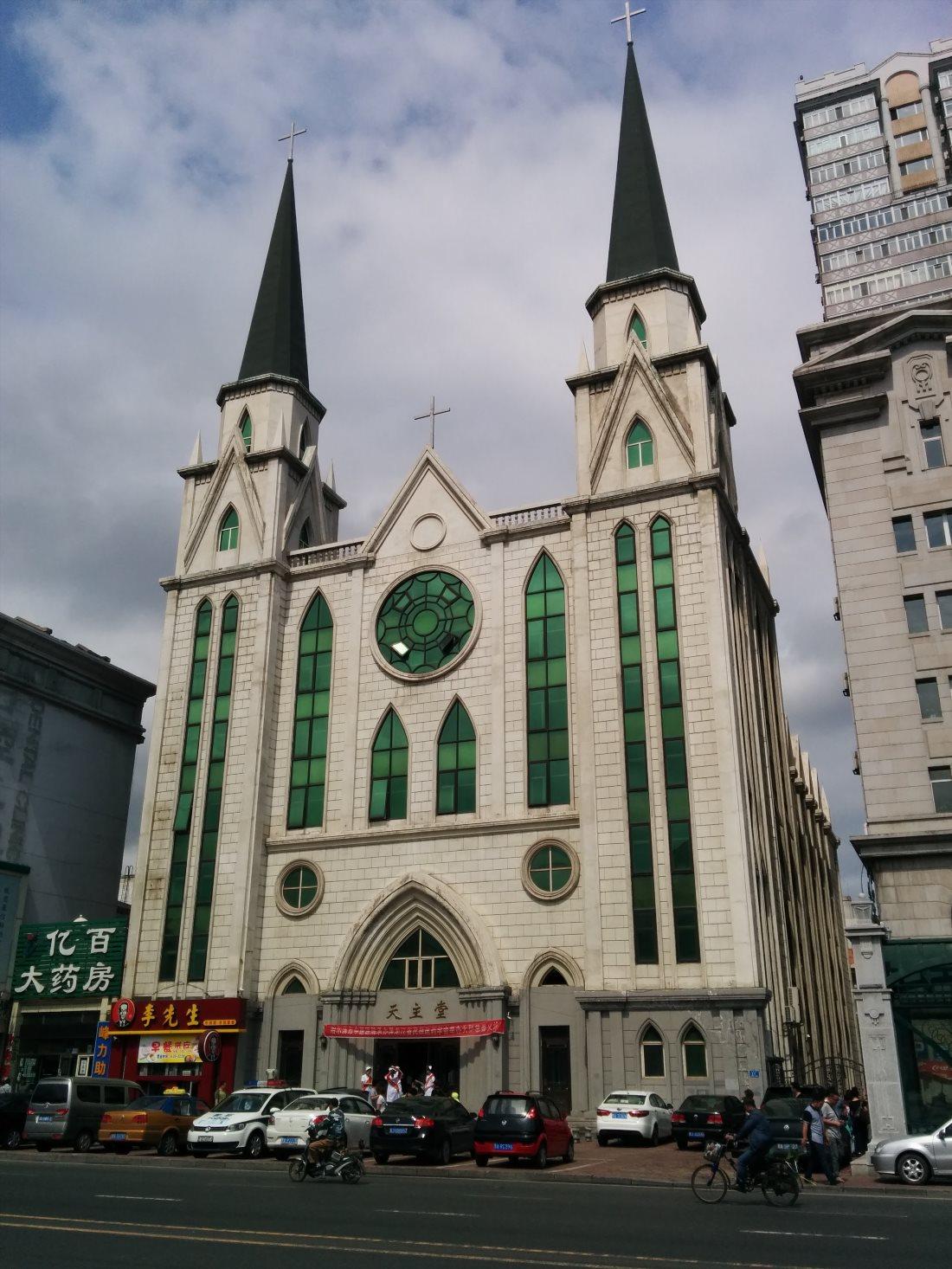
At the start of the 20th century, with the construction of the Chinese Eastern Railway, Polish immigrants began to arrive in Harbin. A Catholic church was built for them in 1906-1907, originally dedicated to Saint Stanislaus.
This concise structure in the neo-Gothic style, featuring pointed roofs and semi-circular archways, starkly contrasts with the buildings surrounding it.
During the Cultural Revolution, the cathedral, commonly referred to as the Polish church, was closed. In 1980, it was returned to the Catholic diocese, and in the early 2000s, it was renovated and rededicated, this time in honor of the Sacred Heart of Jesus.
Address: Cathedral of the Sacred Heart of Jesus, Nan Gang Qu, Harbin, Heilongjiang, China.
Harbin Grand Mosque
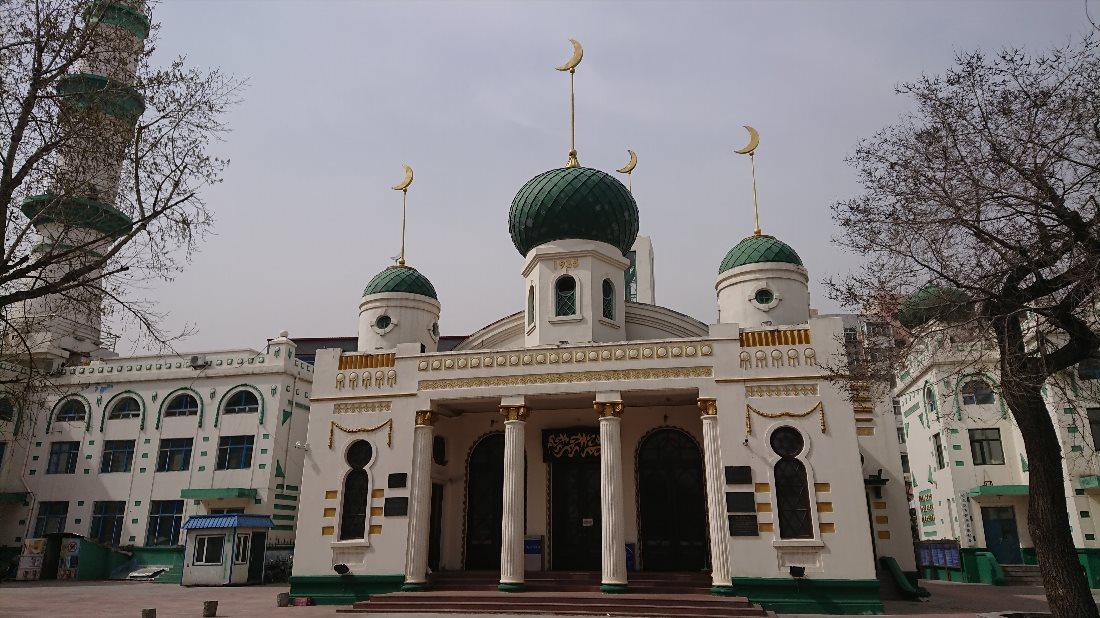
The Chinese Eastern Railway was constructed and maintained not only by Russians and Poles but also by Tatars, which is why it is no surprise that Harbin is home to a mosque in addition to its Christian churches.
The Harbin Grand Mosque was built at the very end of the 19th century-in 1897. The brick and wooden structure, however, lasted only a short time-it simply burned down. For a substantial restoration of the holy site, which began in 1935 and was funded by the donations of believers, the best specialists were enlisted.
The result was a grand structure that adheres to all the standards of classical Arabian style. This building still stands today, and it continues to draw not only tourists but also worshippers.
Address: Harbin Grand Mosque, S Shierdao St, Jingyu Daowai District, Harbin, Heilongjiang, China.
Cile Monastery
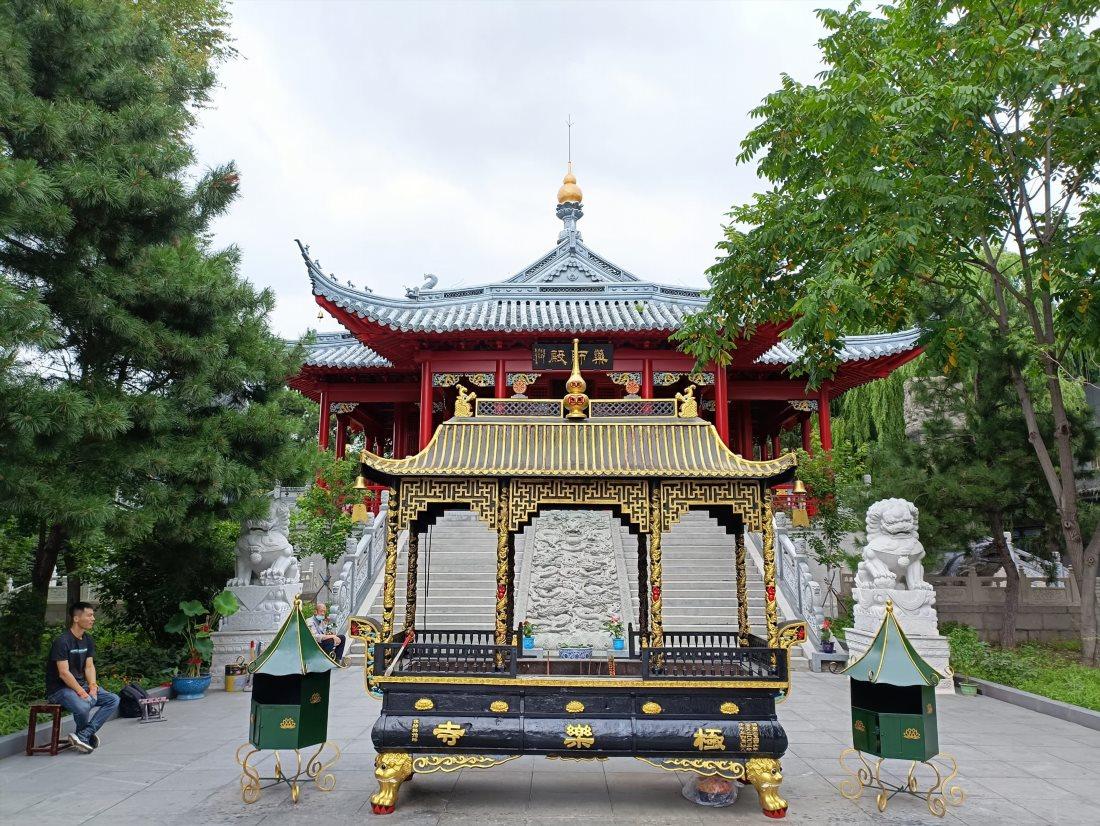
Harbin is a multi-faith city, which is why there are Orthodox churches, Catholic cathedrals, synagogues, and mosques. Naturally, there is also a place for a Buddhist temple.
The Cile temple complex, built in 1923, is one of the largest Buddhist monasteries in Northeast China, and it is listed among the most significant attractions in Harbin. Cile is an active monastery, but even tourists who come here out of sheer curiosity are also welcome.
Wandering through the monastery halls, admiring numerous Buddha statues and decorative relief panels featuring Buddhist themes, listening to the sound of drums signaling the time for worship, and strolling through the magnificent park surrounding the monastery will surely offer you bliss. After all, in Chinese, the name of the temple, Cile, translates to 'bliss.'
Address: Cile, 9 Dongda St, Nangang, Harbin, Heilongjiang, China.
Harbin Grand Theatre
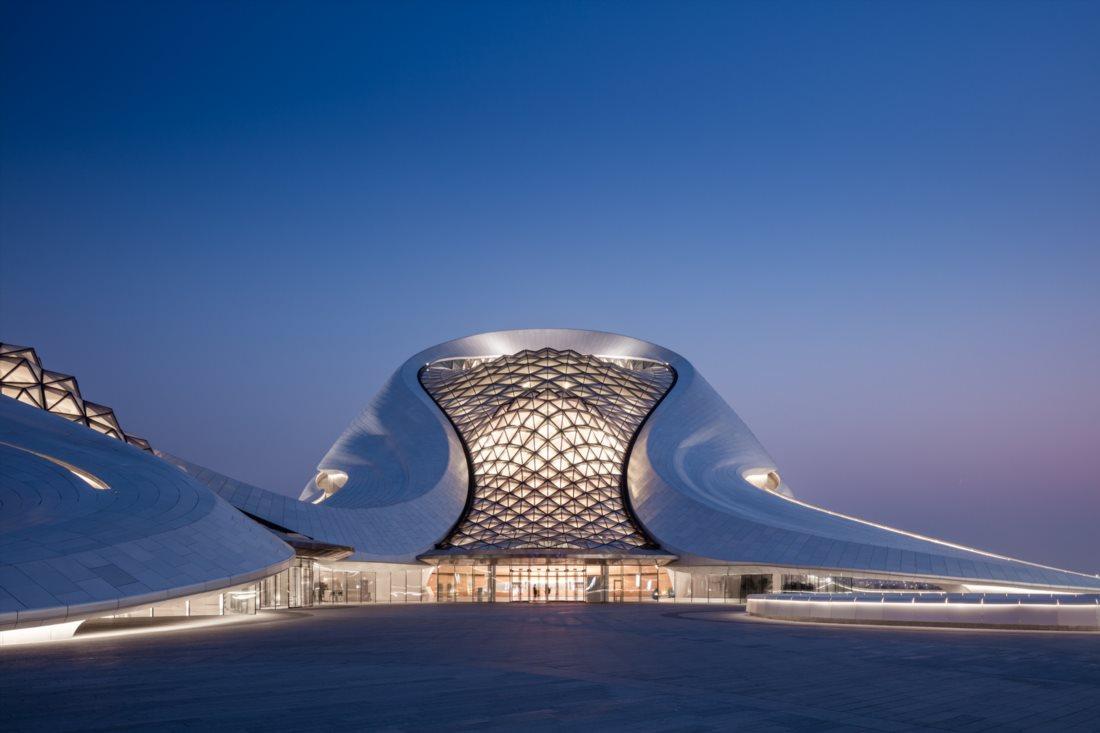
From 2010 to 2015, an amazing building, the Harbin Grand Theatre, was constructed on the banks of the Songhua River. The architects designed this structure to mimic the surrounding landscape, creating the impression that it was shaped by nature rather than human hands, courtesy of water and wind.
Some associate its futuristic design with the yurts of nomads, others with the petals of a peculiar plant, while others liken it to a giant octopus.
But everyone agrees that this whimsical, wave-shaped structure with its roof made of curved glass panels captures attention at first glance and rightfully holds a leading position on the list of Harbin's main attractions. Just imagine how spectacular it looks at night when the lighting is activated!
Inside, the theatre is just as interesting as it is outside: it features streamlined forms, smooth transitions from one wall to another, paneling made of Manchurian ash, and a modern acoustic system. It is no wonder that even the most famous opera companies in the world enthusiastically accept offers to perform on this theatre's stage.
Address: Harbin Grand Theatre, RH4H+H3V, Binshui Blvd, Songbei District, Harbin, Heilongjiang, China.
Tiger Park
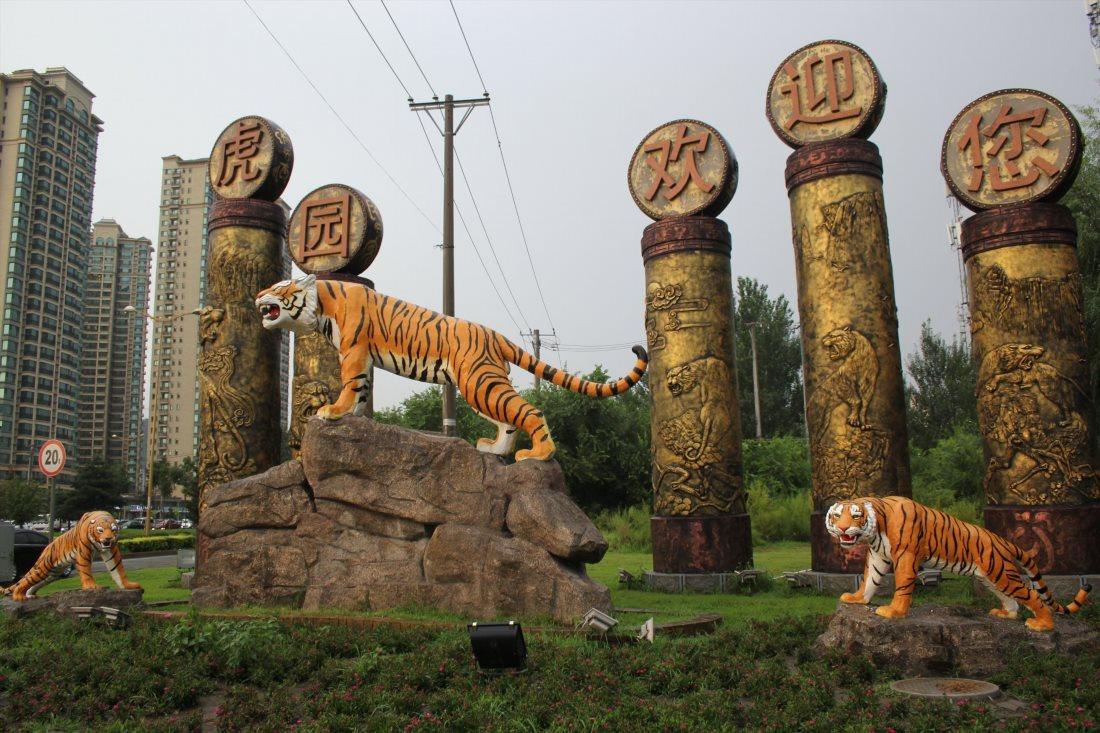
Located on the northern bank of the Songhua River, 15 kilometers from Harbin, the Amur Tiger Park is not only a reserve for breeding endangered 'striped cats,' but also a popular tourist destination that welcomes a large number of visitors each year.
Visitors can only move around the park on special buses with barred windows. This is done for safety reasons, as the dangerous predators here are not confined to cramped cages but roam freely across vast territories.
This spacious life has positively impacted the tiger population-over the years of the reserve's existence, the number of animals living in this area has grown from 8 to 320.
GPS Coordinates: 45.81831293603848, 126.59920502173786
Zhaolin Park
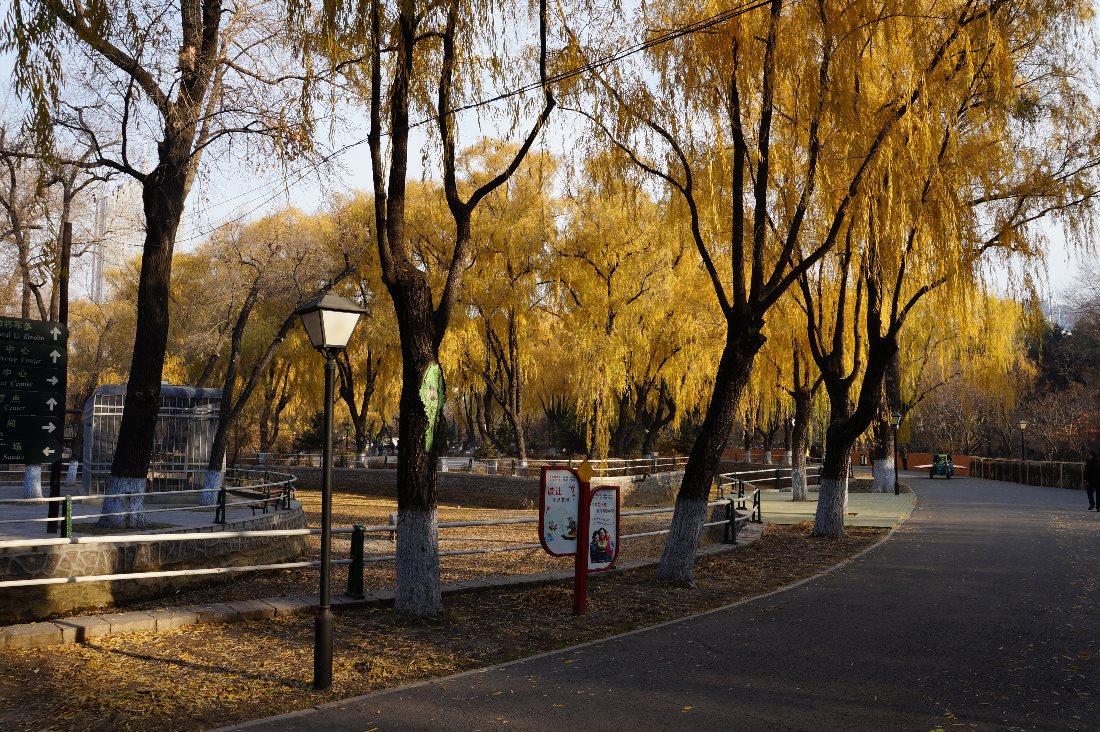
In the center of Harbin, not far from the city's main pedestrian street, lies Zhaolin Park-the oldest city park, established in 1906 and later named after General Li Zhaolin, who gained fame during the Sino-Japanese War.
It's a wonderful place for walks and relaxation in nature: Rose Hill, Lilac Park, Flower Mountain, an artificial water body with unusual bridges, and numerous amusement parks and playgrounds for children await you.
While it's pleasant to visit in the summer, the winter months see a massive influx of tourists from other regions of China and abroad. This is because every year from January 5 until the end of February, the world-famous Harbin Festival of Snow and Ice Sculptures is held in Zhaolin Park.
When darkness falls, thousands of garlands and neon lights are turned on, illuminating the ice sculptures: music and stunning light effects transform the exhibition into a colorful fairy-tale world.
Address: Zhaolin Park, 377 Senlin St, Daoli District, Harbin, Heilongjiang, China.
Museum of Unit 731
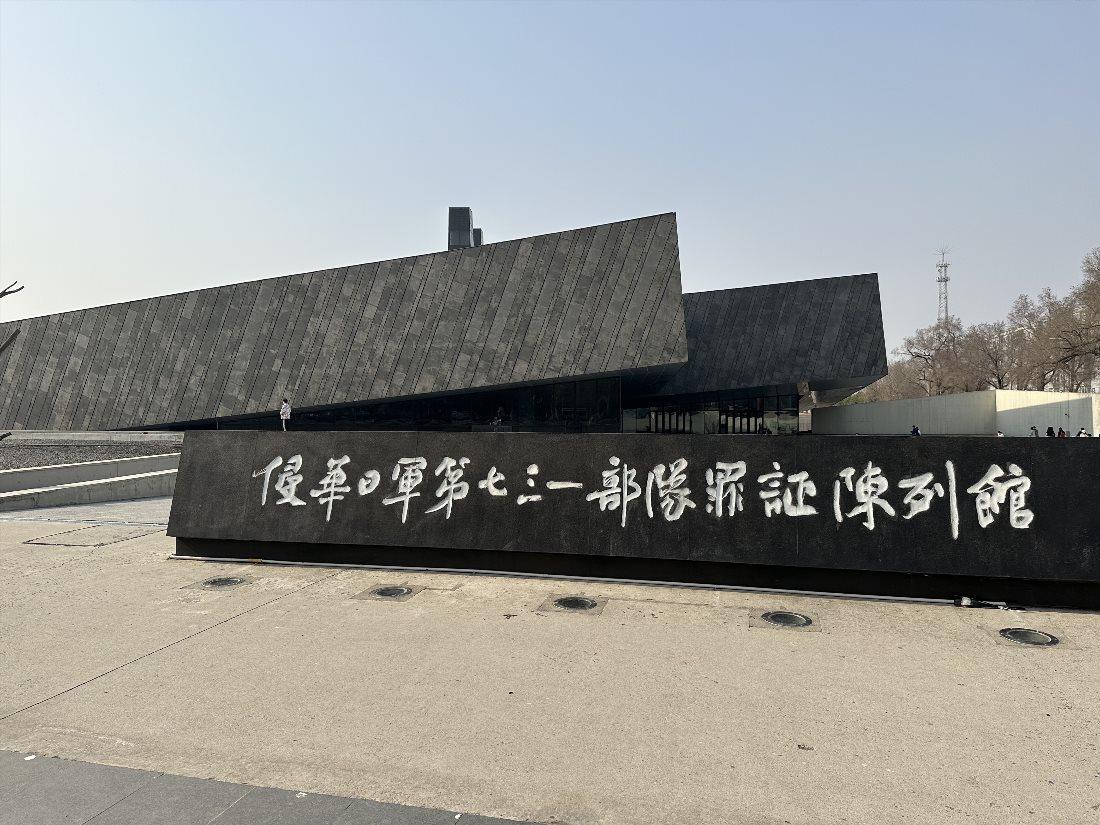
On the outskirts of Harbin lies a large museum complex with an unusual name: Unit 731.
This code name referred to a special secret unit in Japanese military documents that, from 1936 to 1945, conducted research on biological weapons and studied the limits of human endurance in extreme conditions-facing frostbite, burns, electric shocks, and the gradual extraction of vital organs one by one...
It's probably best not to recount all the atrocities of Unit 731 here-just to mention that thousands of Chinese, Russians, Koreans, and Mongolians lost their lives (and in horrific agony) as subjects of their inhumane experiments.
Individuals who are particularly sensitive should avoid this museum, which recounts the horrific pages of China's history, and definitely should not bring children with them.
GPS Coordinates: 45.60795624390272, 126.637128
Museum of Science and Technology
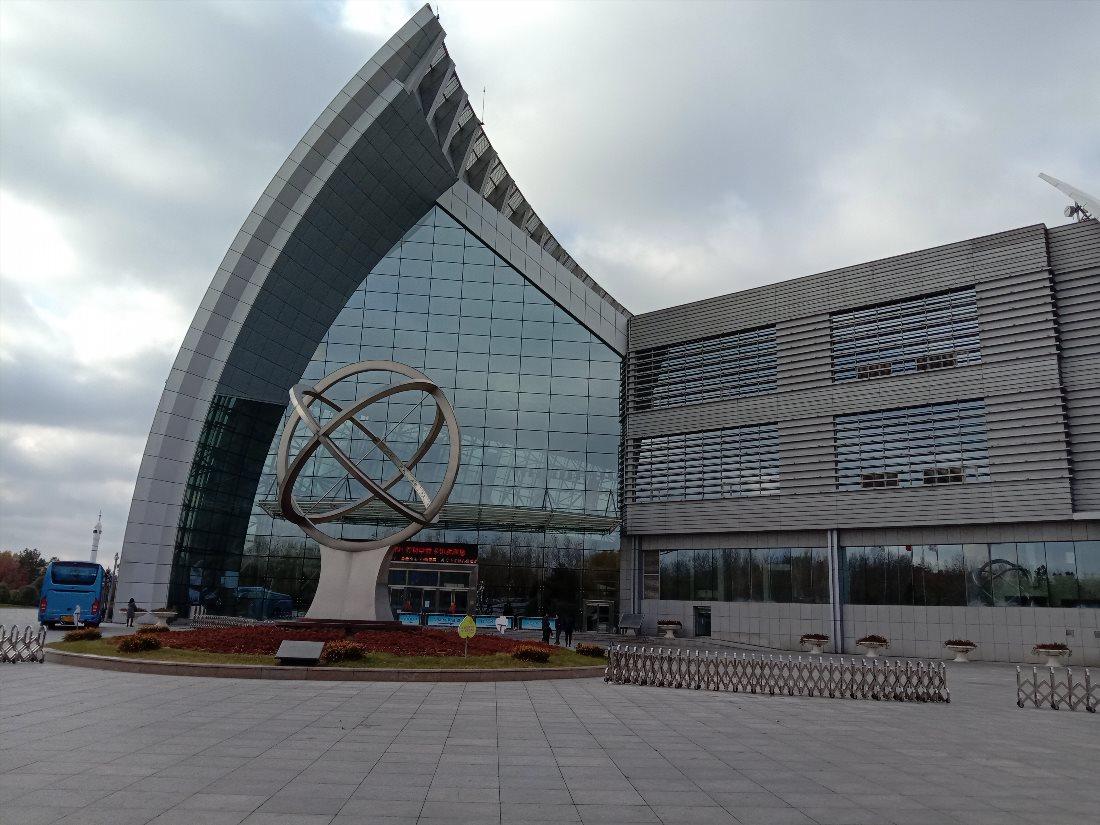
In 2003, the northern bank of the Songhua River was adorned with a building resembling an extraterrestrial spaceship, which has rightfully entered the top ten best constructions of Harbin built in the 21st century. This is the Heilongjiang Museum of Science and Technology.
Hundreds of exhibits displayed here can ignite an interest in science and technology in visitors and satisfy the curiosity of people of all ages. The museum covers a wide range of fields-including aerospace and transportation, mechanical engineering and energy, electromagnetism, and human health.
In addition to exhibition halls, the museum features a theater with a spherical screen where visitors can watch thematic films and an experimental studio for teenagers working under the slogan 'Observe, Analyze, Experiment.'
Outside, there's an open-air exhibition area featuring a sundial, a 'Long March-2F' rocket, and an automatic weather station. You don't even need to know the language to discover something new and interesting in this museum.
GPS Coordinates: 45.777387224208624, 126.57739054232842
Heilongjiang Provincial Museum
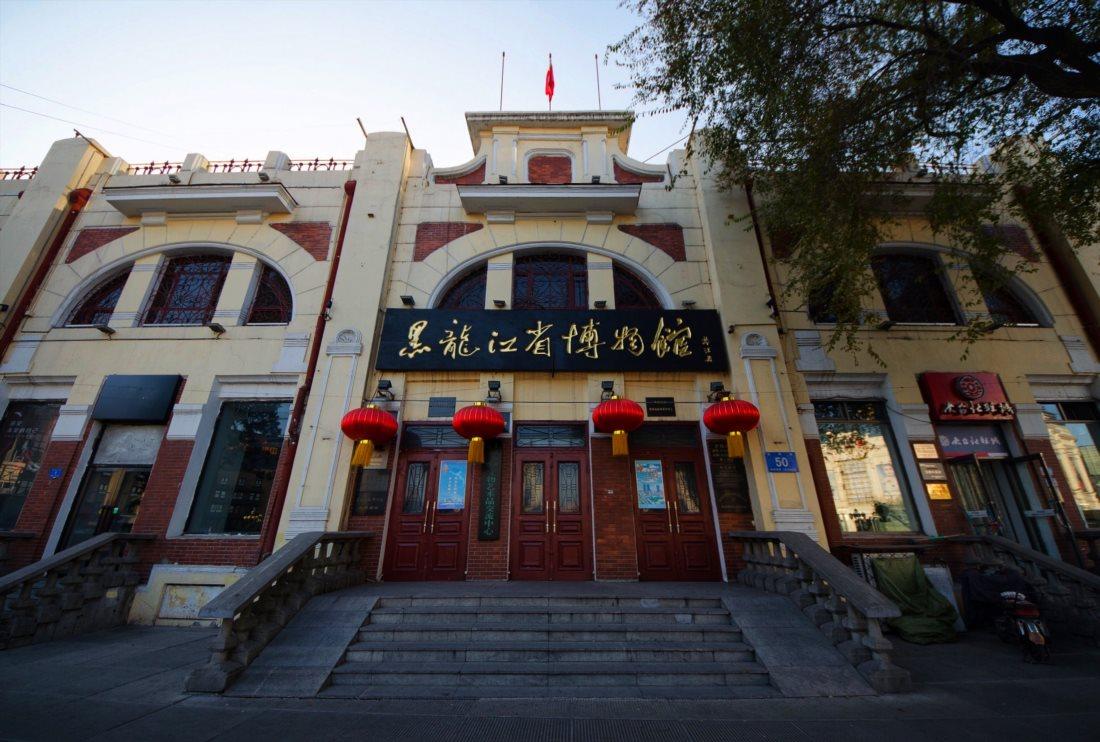
Located in a 1904 building on Manchuria Avenue, the Heilongjiang Provincial Museum has housed large collections since the mid-20th century, becoming the largest museum not only in Harbin but across the province: not every museum can boast a collection of over 100,000 exhibits.
Three exhibition halls display archaeological finds discovered in the province, fossil remains of animals, figurines and decorations made of gold, pearls, and jade, as well as silk artworks. The museum's highlight is the remains of a human who lived around 20,000 years ago.
Park 'Window to Europe and Asia'
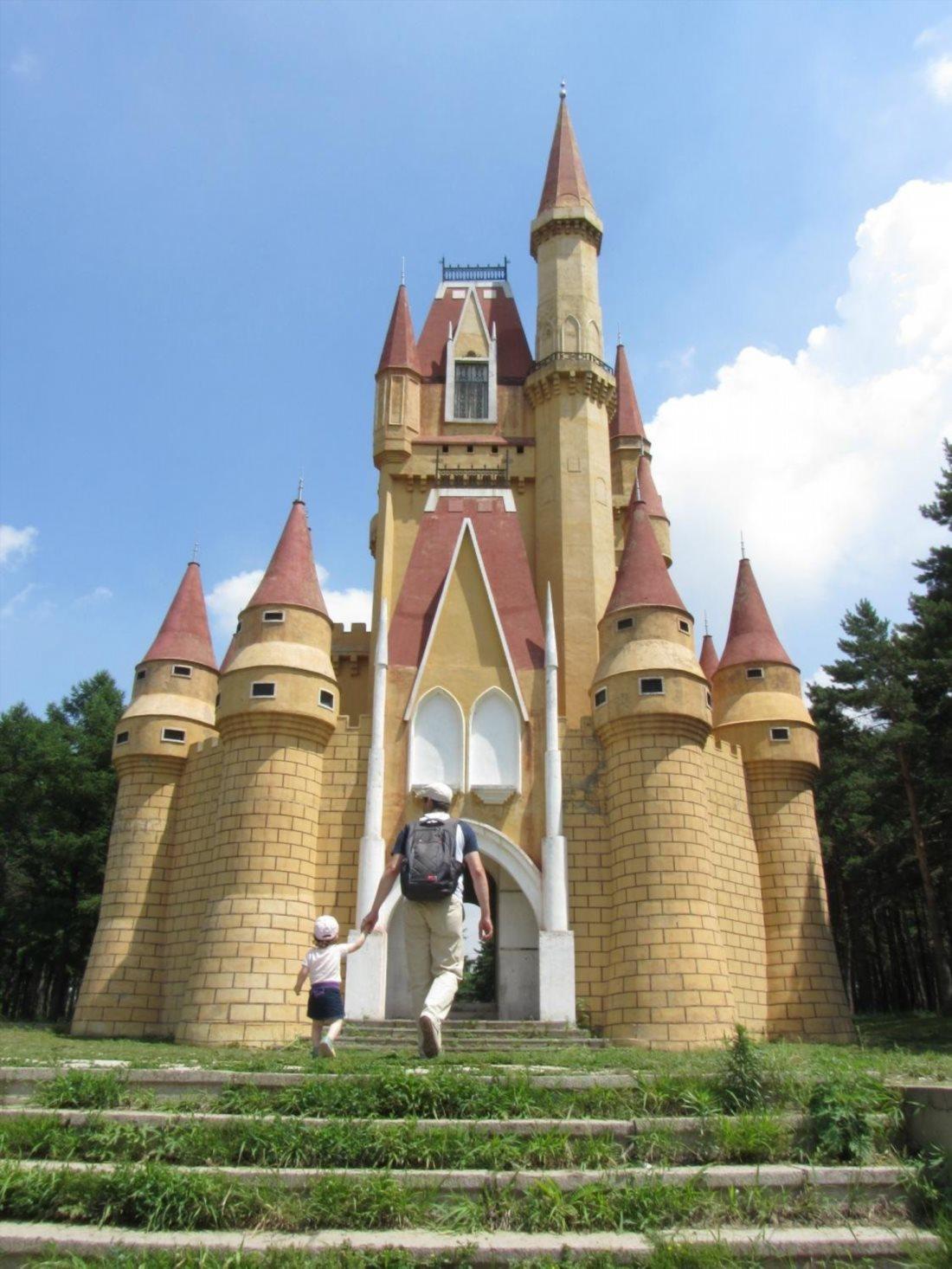
Want to take a mini round-the-world trip? There's nothing easier-just realize that people travel far not for the sake of movement per se, but rather to see interesting places scattered in various corners of the planet.
Getting acquainted with the main attractions of the world can be done even by those who are short on time and finances-just visit the Harbin Park 'Window to Europe and Asia.' Its territory is home to miniature copies of the Great Pyramid of Giza, the Moscow Kremlin, the Arc de Triomphe, and a Native American village...
In total, the open-air museum has 40 models crafted with remarkable precision. Equally popular among park visitors are the Peacock Garden and the Pigeon Square.
Address: Park 'Window to Europe and Asia', Nangang, Harbin, Heilongjiang, China.
Sunhua River Embankment
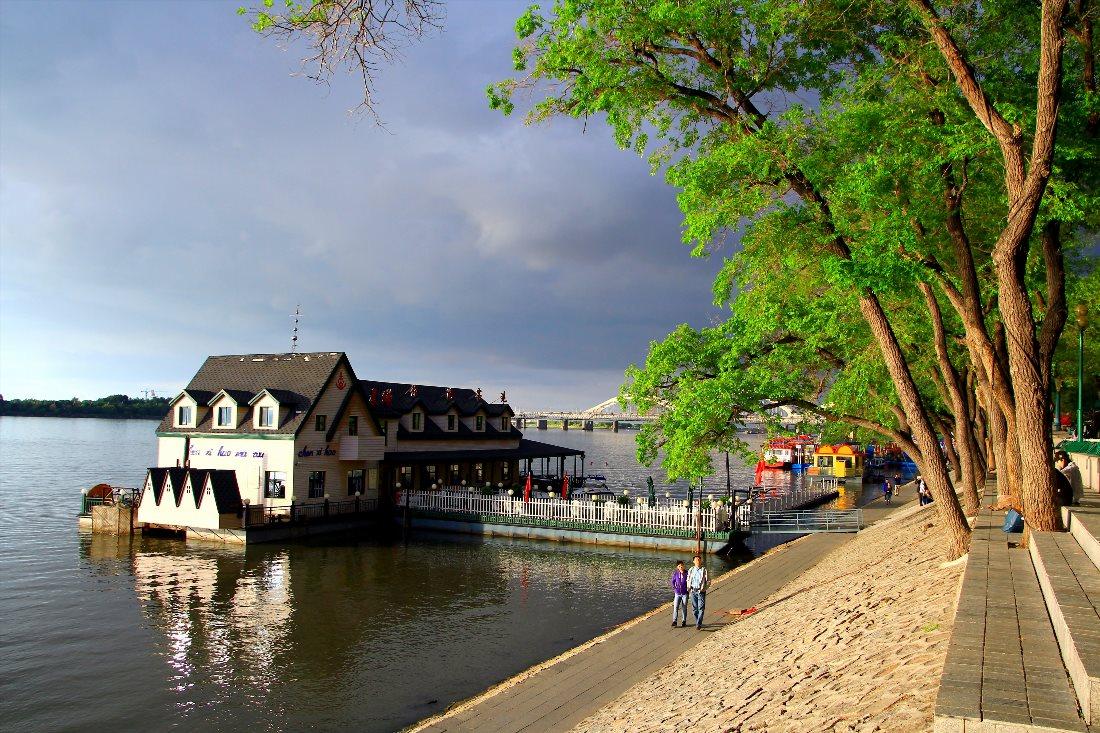
In the center of Harbin, along the banks of the Songhua River, stretches a 4-kilometer embankment. This spot is perfect for walks any time of the year: in the warm summer days, locals stroll along the shore, breathing in fresh air and enjoying the surrounding beauty, riding bicycles or jogging, while in the cold of winter, the frozen river turns into a massive ice rink.
Additionally, the Songhua River embankment is home to many local attractions: nearby are Stalin Park, a monument to the fighters against the 1957 floods installed at its entrance, the Urban Planning Museum, Harbin's Arbat, and a cable car linking downtown Harbin with the Sun Island National Park.
GPS Coordinates: 45.782419043188526, 126.62024104890946
Stalin Park
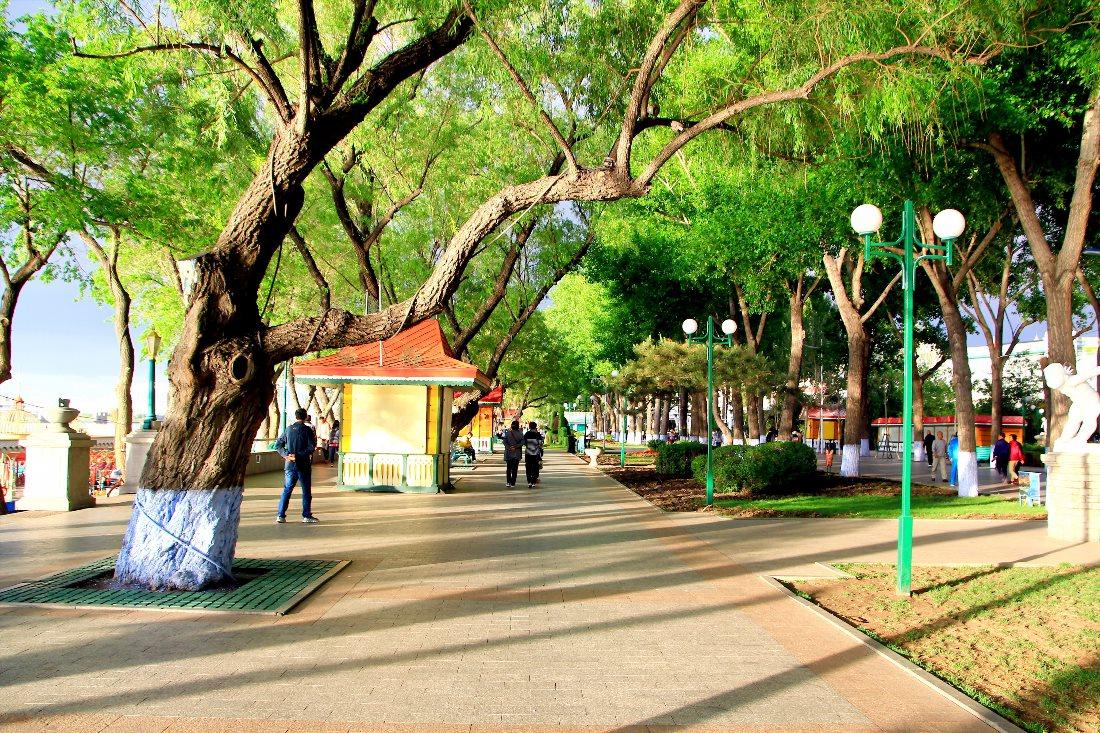
Stretching along the banks of the Songhua River is the picturesque Stalin Park. The development of this area began in 1953, after the death of the Soviet leader, yet the new object was named in his honor, as it was meant to symbolize the friendship between the two communist powers.
For 70 years, no one had ever thought of renaming the park or dismantling the bust of the father of the peoples installed within it. Along with Stalin's bust, you will encounter many other monuments and sculptures, primarily in the style of socialist realism, during your walk through the park.
However, you won't find any attractions or dance areas here; the park is only meant for leisurely strolls. It is very popular due to the Russian restaurant 'Pribrezhny,' where you can sample smoked sausage, Russian bread, and kvass.
Address: Stalin Park, 3 Sidalin St, Daoli District, Harbin, Heilongjiang, China.
Cable Car Over the Songhua River
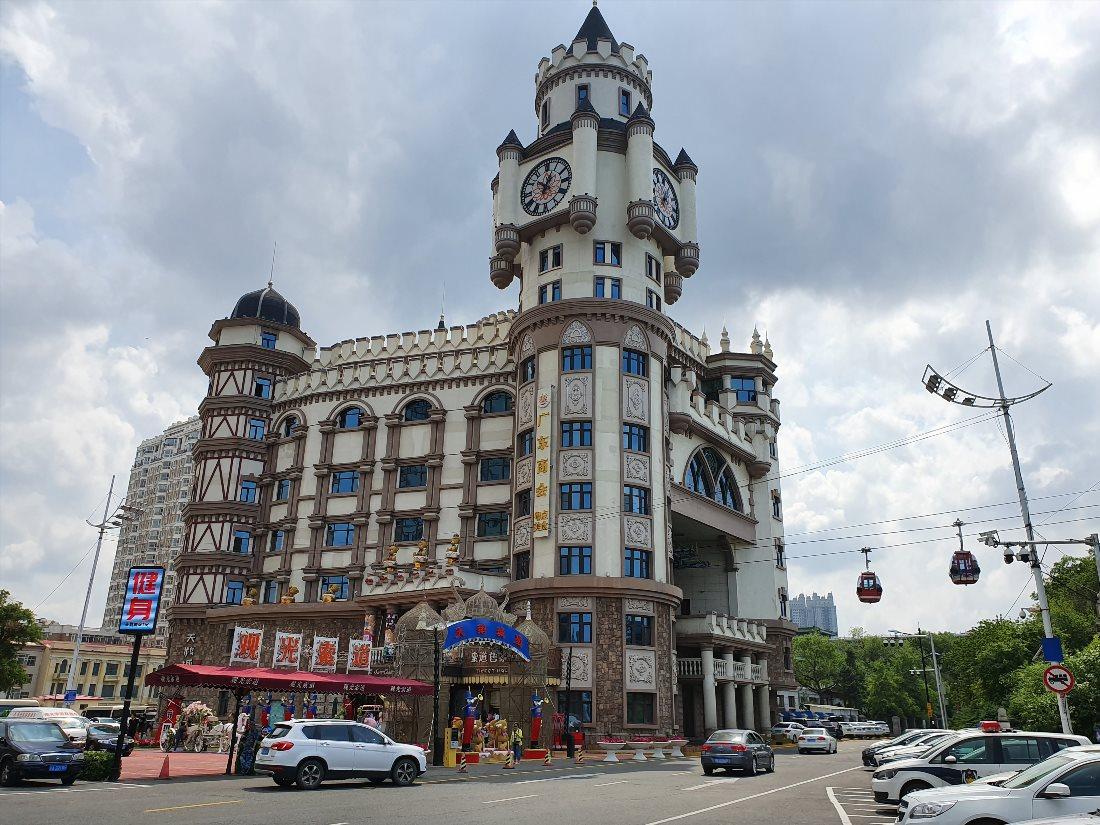
Adjacent to Stalin Park is the station for a cable car built in 1997. This cable car connects the historic downtown to Sun Island. Your journey will not be long, but while 'floating' above the river at a height of 70 meters, you will have the opportunity to admire downtown Harbin, Sun Island, numerous bridges across the Songhua River, and the new residential areas of the city.
GPS Coordinates: 45.77817, 126.611
Sun Island Park
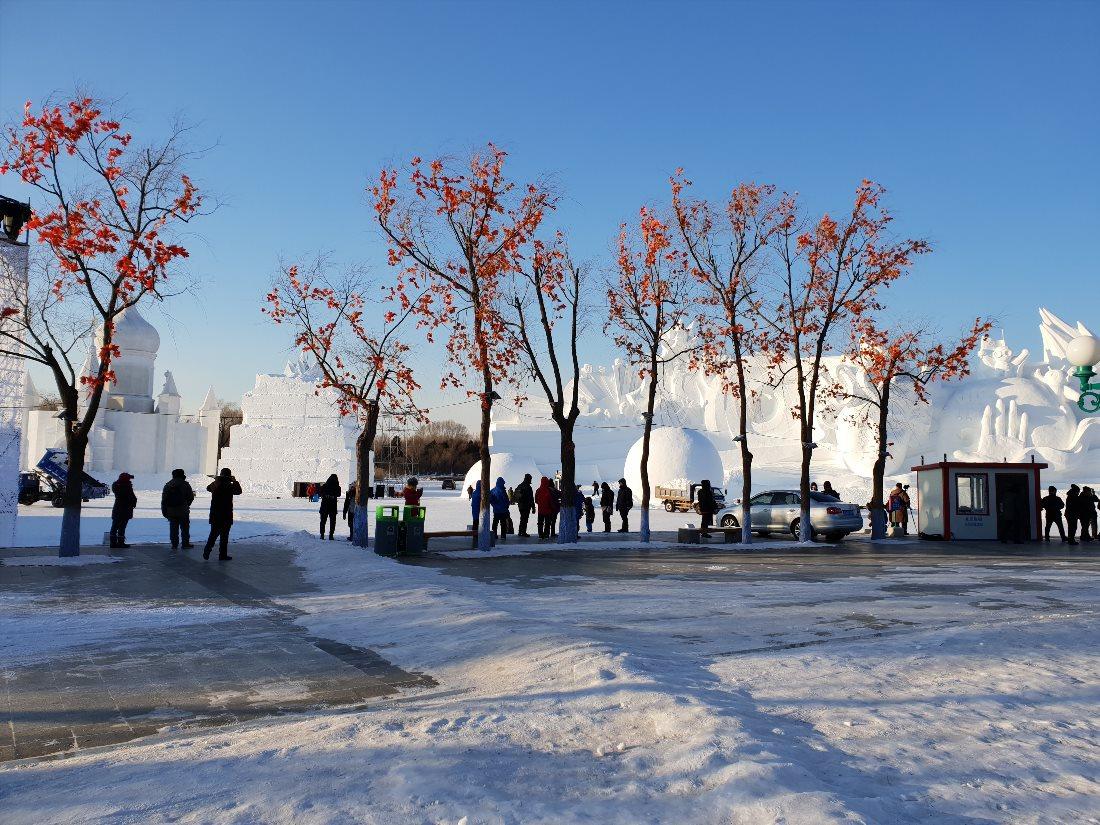
Opposite Stalin Park lies a beautifully named island called Sun Island. A significant portion of it is taken up by the eponymous park, where natural beauty is complemented by man-made structures.
Here you will find a lotus lake and a swan pond, a 'sunny' mountain and a 'sunny' waterfall, enclosures filled with nearly tame squirrels, a deer farming area, a go-kart zone, and an open-air ethnographic museum called 'Russian Village.' In summer, Sun Island Park is one of the best recreational areas for the residents and guests of the city.
However, it's also lively in winter since the park serves as one of the venues for the Harbin Ice and Snow Festival, where craftsmen from around the world gather to create not just ice installations but real works of art.
Harbin Polar Oceanarium
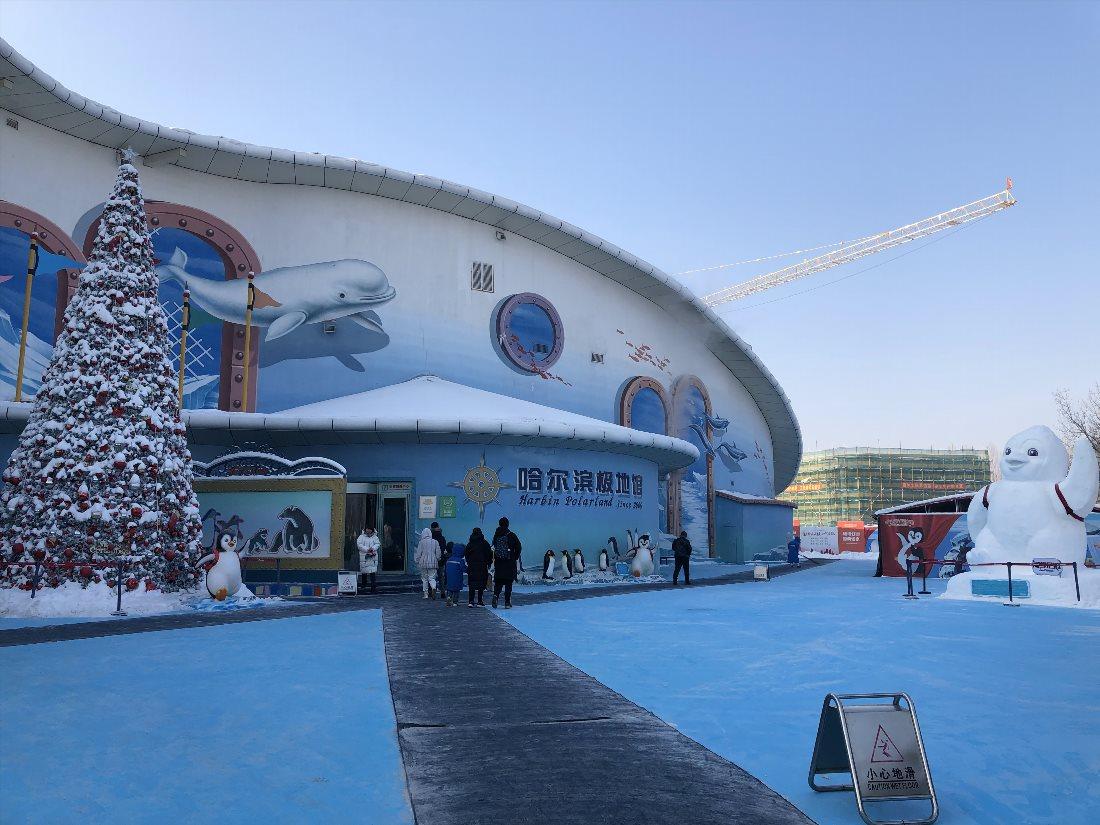
One of the most popular attractions located on Sun Island is the Harbin Polar Oceanarium. Far removed from both poles, this facility has successfully created conditions for the comfortable habitation of many polar mammals and fish.
Notably, despite the term 'oceanarium' in its name, it houses not only marine creatures like penguins, dolphins, and sea lions but also land animals such as arctic foxes, polar wolves, and polar bears.
The Harbin Polar Oceanarium offers its guests the chance to observe a plethora of wildlife and enjoy fascinating daily shows featuring belugas, sea lions, and seals.
Address: Harbin Polar Oceanarium, 3 Taiyang Blvd, Songbei District, Harbin, Heilongjiang, China.
Wanda City Amusement Park
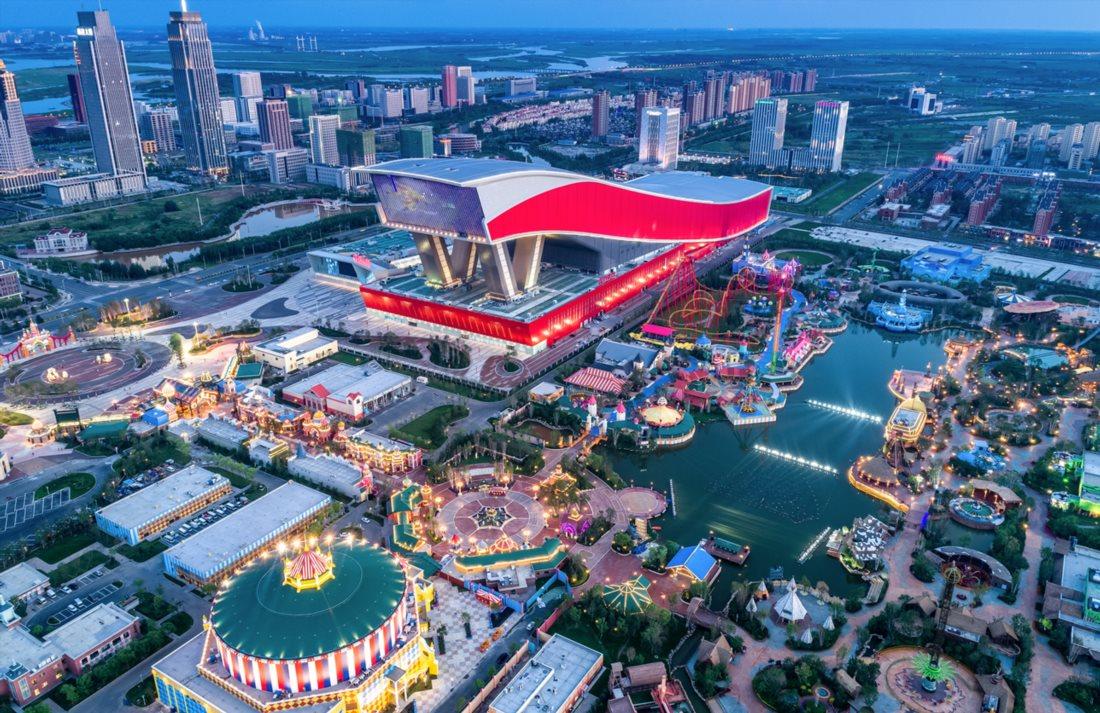
In 2017, the Harbin Wanda City amusement park was opened in the city center. It is one of several parks created by the Dalian Wanda Group. Many believe that Wanda City not only offers serious competition to the Shanghai Disneyland but might even overshadow it, leading to fewer visitors and profits for the latter.
The park features numerous attractions, a large shopping mall, the Wanda Mall, an all-year-round ice rink, restaurants, shops, cinemas, bowling, and other entertainment options for a fun day out...
And that's just the beginning of what Wanda City has to offer its guests! The 'cherry on top' is the largest indoor ski resort in the world with several slopes of varying difficulty.
GPS Coordinates: 45.70028893942469, 126.58886390142719
Yabuli International Ski Resort
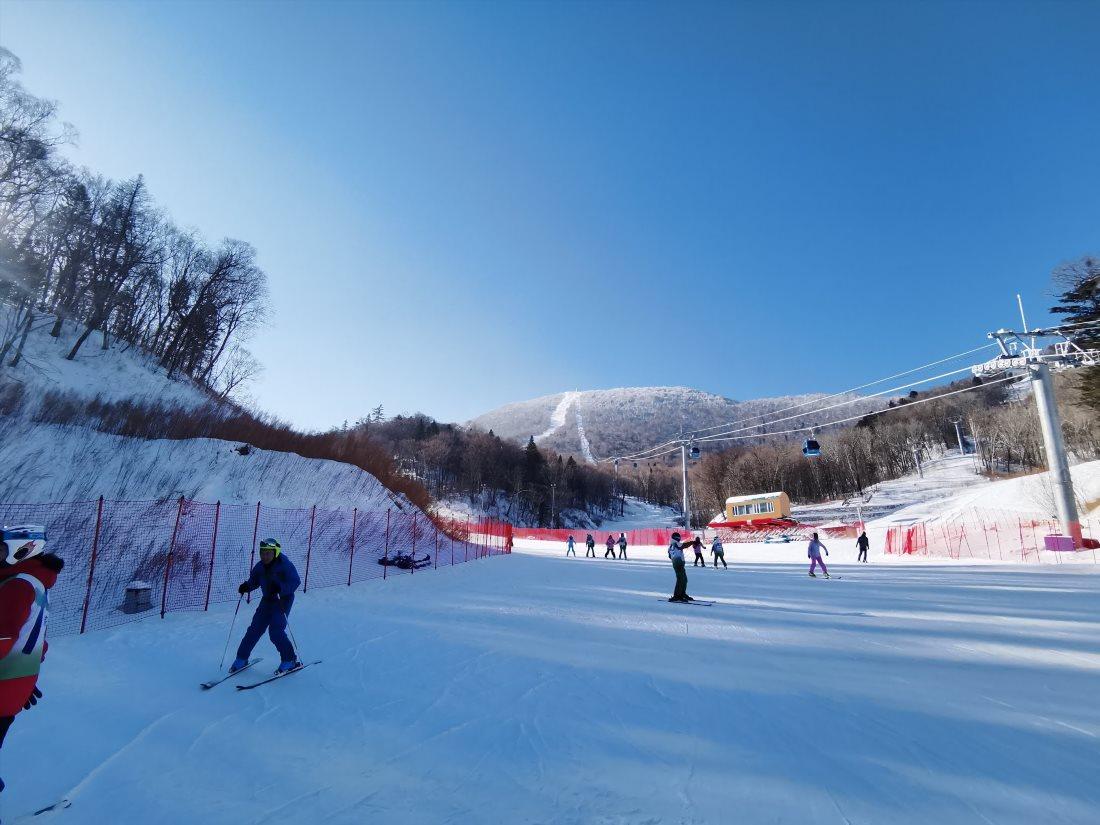
If you confidently ski or, perhaps, are a professional at it, then the indoor facility at Wanda City may feel too small for you. In that case, head to the Yabuli International Ski Resort, located 180 km east of Harbin in the Changbai Mountains.
In 1996, Yabuli hosted the Winter Asian Games, and in 2009 it hosted the Winter Universiade. Given that, it's easy to guess that the slopes and accompanying infrastructure there are top-notch.
In addition to 15 ski trails of varying levels of difficulty and lengths, Yabuli also offers all kinds of activities for amateur winter enthusiasts-there are even places to ride sleds, skate, or use snowmobiles.
Address: Yabuli International Ski Resort, Shangzhi, Harbin, China.
Website: http://www.yabuliski.com
Admission: paid.
Volga Manor
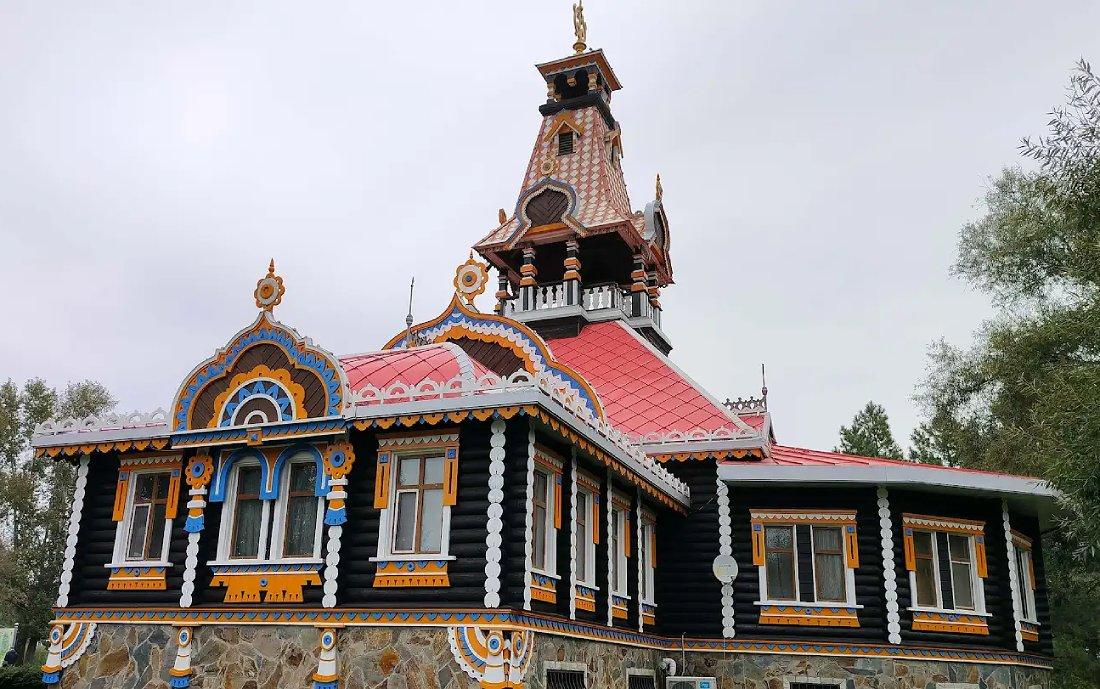
Located 30 minutes away from downtown Harbin, you'll find a picturesque estate with a comforting name for every Russian traveler: Volga. The local entrepreneur, who greatly appreciated our homeland, initiated the creation of this symbol of close Sino-Russian ties.
He wanted his compatriots to experience Russian culture without leaving China. Volga is a beautiful grove adorned with colorful wooden rustic houses serving as hotels, featuring baths, a windmill, a temple, and a market pavilion. It's a sight unmatched even in Russia!
Address: 45.67056474282002, 126.89939000000001
Website: http://www.volgamanor.com
Heilongjiang Forest Botanical Garden
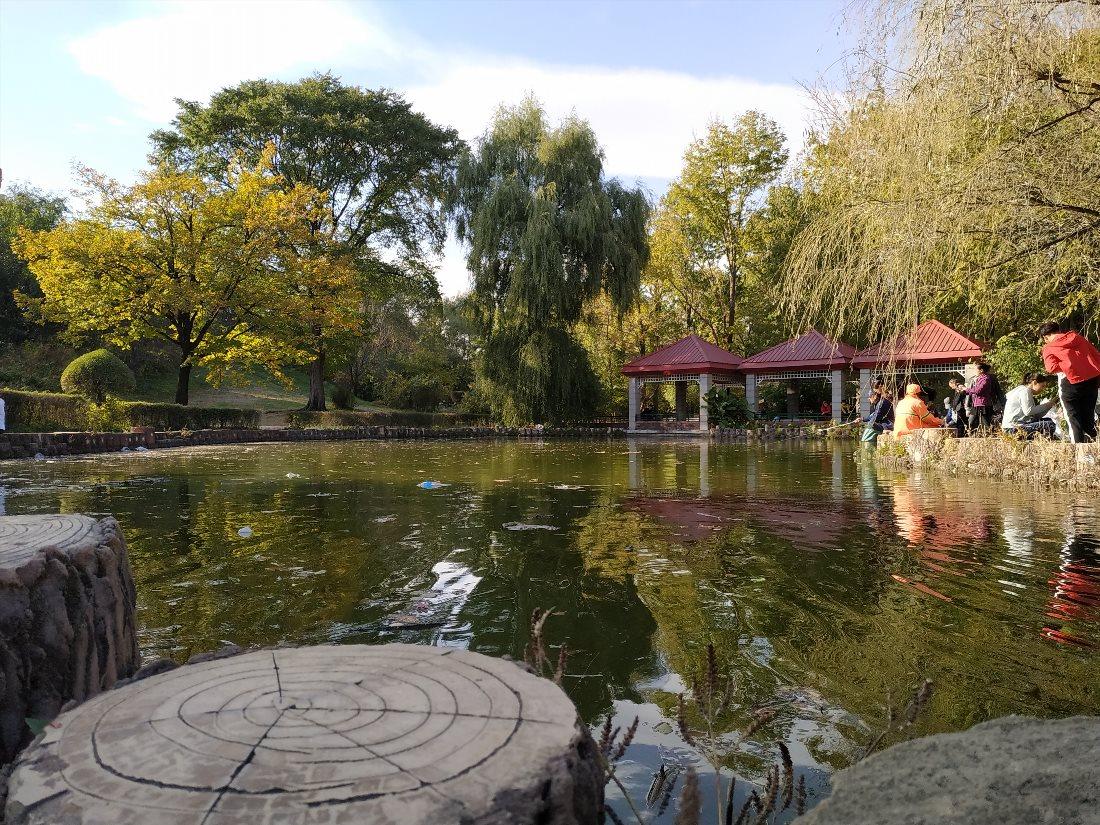
Heilongjiang Forest Botanical Garden is one of the attractions in Harbin that tourists often overlook, and that is a shame!
After the dusty and noisy concrete jungle, this green oasis will seem like paradise: a vast yet well-maintained area filled with stunning plants, blooming meadows, and impenetrable woods, a magnificent rose garden, and a variety of water bodies with charming bridges.
Thanks to the dedicated staff of the botanical garden, withering plants are quickly replaced with new ones, so the park remains blooming for almost the entire year. If you want a place to simply walk, the Heilongjiang Forest Botanical Garden is a great choice.
GPS Coordinates: 45.71027479309459, 126.64583639221658