
- 1. Top Attractions in Rome
- 2. Vatican Museums
- 3. Colosseum
- 4. Roman Forum
- 5. Best Tours in Rome Based on Tourist Reviews:
- 6. St. Peter's Basilica
- 7. Palatine Hill
- 8. Borghese Museum and Gallery
- 9. Capitoline Museums
- 10. Pantheon
- 11. St. John Lateran Basilica (Basilica di San Giovanni in Laterano)
- 12. Trevi Fountain
- 13. Piazza Navona
- 14. Appian Way
- 15. Basilica di Santa Maria Maggiore
- 16. National Museum of Rome: Palazzo Massimo alle Terme
- 17. Doria Pamphilj Gallery
- 18. Basilica di Sant'Agnese Fuori le Mura & Mausoleo di Santa Costanza
- 19. Church of Gesu (Il Gesu)
- 20. National Museum of Rome: Palazzo Altemps
- 21. Basilica di San Paolo Fuori le Mura
- 22. Piazza di Spagna and the Spanish Steps
- 23. Palazzo Colonna
- 24. Castel Sant'Angelo
- 25. Basilica of Saint Clement
- 26. Palazzo Barberini
- 27. Baths of Caracalla
- 28. Villa Medici
- 29. Trajan's Market
- 30. Santa Maria del Popolo
- 31. San Luigi dei Francesi
- 32. Catacombs of Saint Sebastian
- 33. Quirinal Palace
- 34. Piazza del Popolo
- 35. Basilica of Santa Maria in Trastevere
- 36. Knights of Malta Villa
- 37. National Museum Villa Giulia
- 38. Attractions in Rome on the Map
- 39. Best Value Hotels in Rome
Top Attractions in Rome
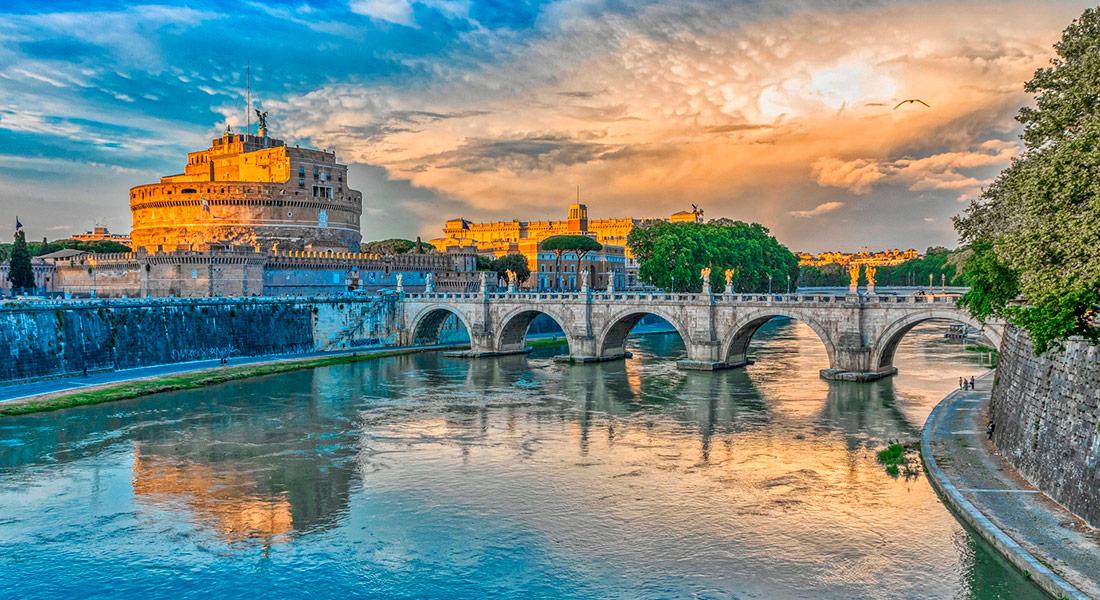
Rome (Italy) is one of the greatest cities in the world. Its history spans thousands of years. The city astounds with its monumental architecture, enchanting squares, colorful markets, and lively streets filled with interesting people - splendor at every turn.
But if you're traveling to Rome, you'll need a solid plan. Otherwise, you run the risk of being overwhelmed by the multitude of sights to see in the Eternal City.
We've compiled a list of the main tourist attractions in Rome, complete with photos and descriptions: from the most famous Roman ruins to majestic churches, top-class art museums, charming squares, and bustling food markets.
You'll likely need more than one trip to Rome to see all the attractions on this list and those that aren't included. But you have to start somewhere!
Vatican Museums
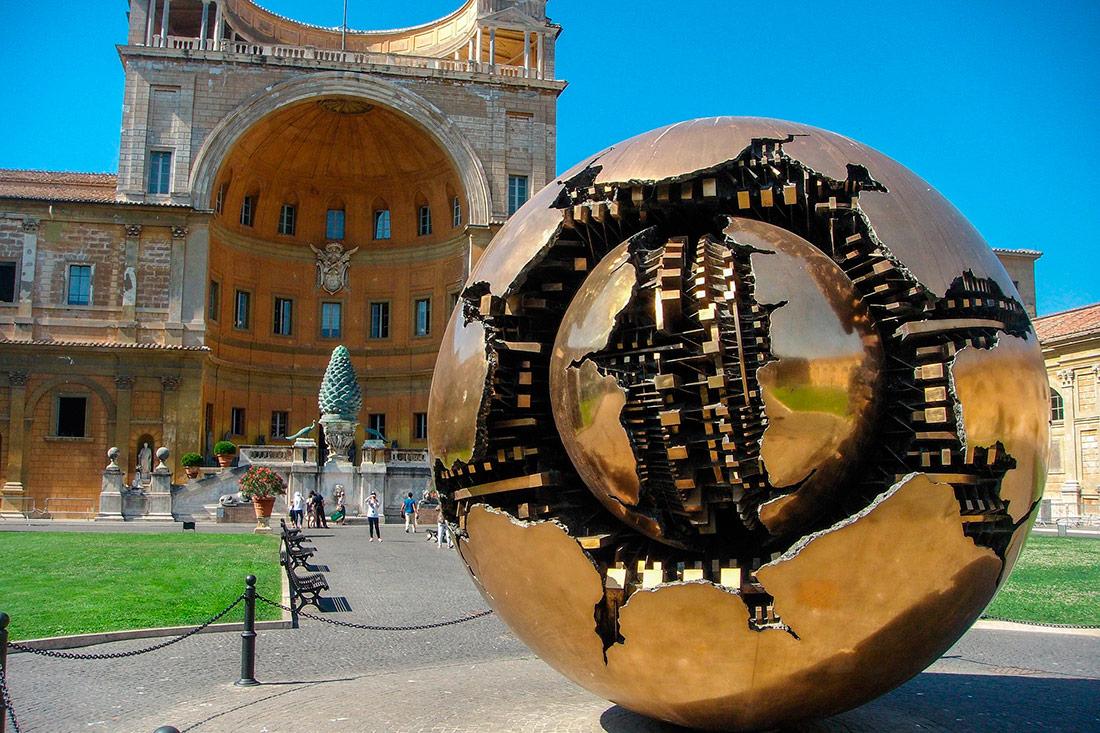
Founded by Pope Julius II in the early 16th century and expanded by subsequent pontiffs, the Vatican Museums boast one of the greatest collections of art in the world.
The exhibits, which extend over approximately 7 kilometers of halls and corridors, are incredibly diverse: from Egyptian mummies and bronze Etruscan artifacts to ancient busts, from classic paintings to modern works.
Main highlights to visit: the impressive collection of classical sculptures in the Pio-Clementine Museum, several exhibition halls featuring Raphael's frescoes, and Michelangelo's decorated Sistine Chapel.
Address: Musei Vaticani, Viale Vaticano, Rome, Italy.
Admission: Paid. Tickets to the Vatican Museums.
Available for Tours:
- Vatican Museums and St. Peter's Basilica
- Vatican Museums with an Art Historian in a Small Group
- Vatican Museums - History of Masterpieces and the 'Mirror' of the Age
Colosseum
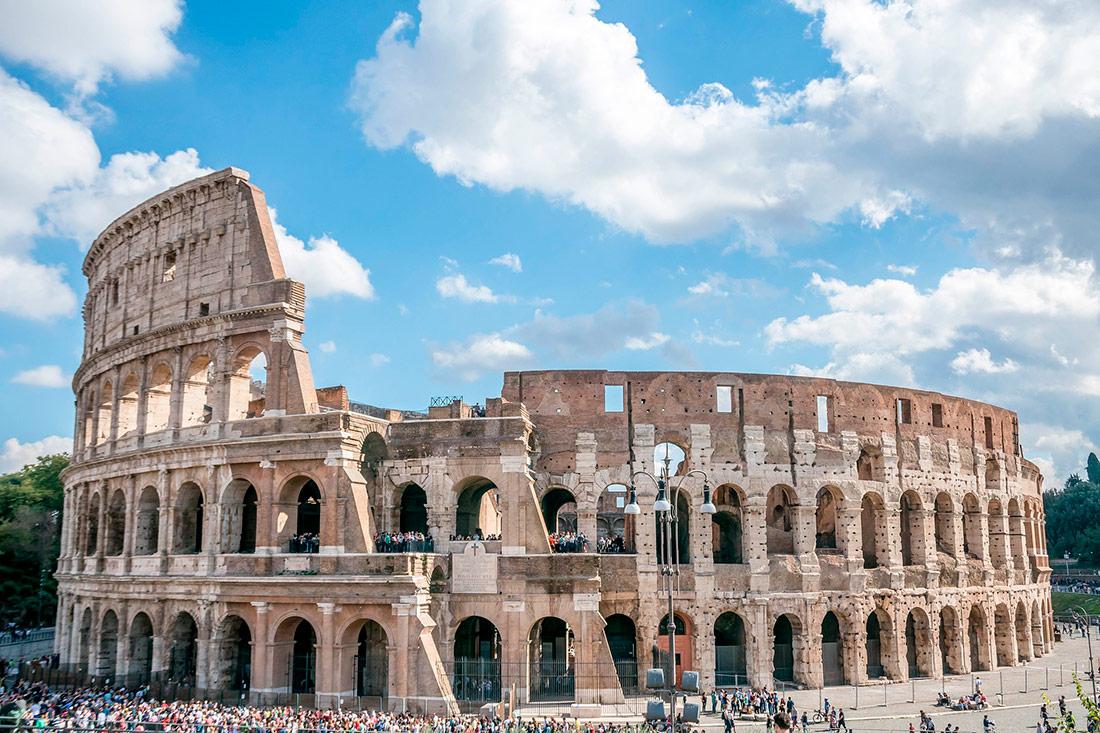
The grand gladiatorial arena of Rome is the most thrilling of the city's ancient attractions. Opened in 80 AD, the Colosseum, with a capacity of 50,000, also known as the Flavian Amphitheater, was built of travertine and covered with a massive canvas tent raised on 240 masts.
Inside, the arena was surrounded by multi-level seating, built over an underground complex (hypogeum) where animals were kept and stage sets prepared. Gladiators fought wild beasts or each other in the games.
Address: Colosseo, Piazza del Colosseo, Rome, Italy.
Admission: Paid.
Tickets:
Colosseum is available for Tours:
- Tickets to the Vatican, Colosseum, and St. Peter's Basilica
- Colosseum and Ancient Rome
- The Greatness of Roman Civilization: Colosseum and Roman Forum
- Colosseum and Forum: Antiquity not just for show
Roman Forum
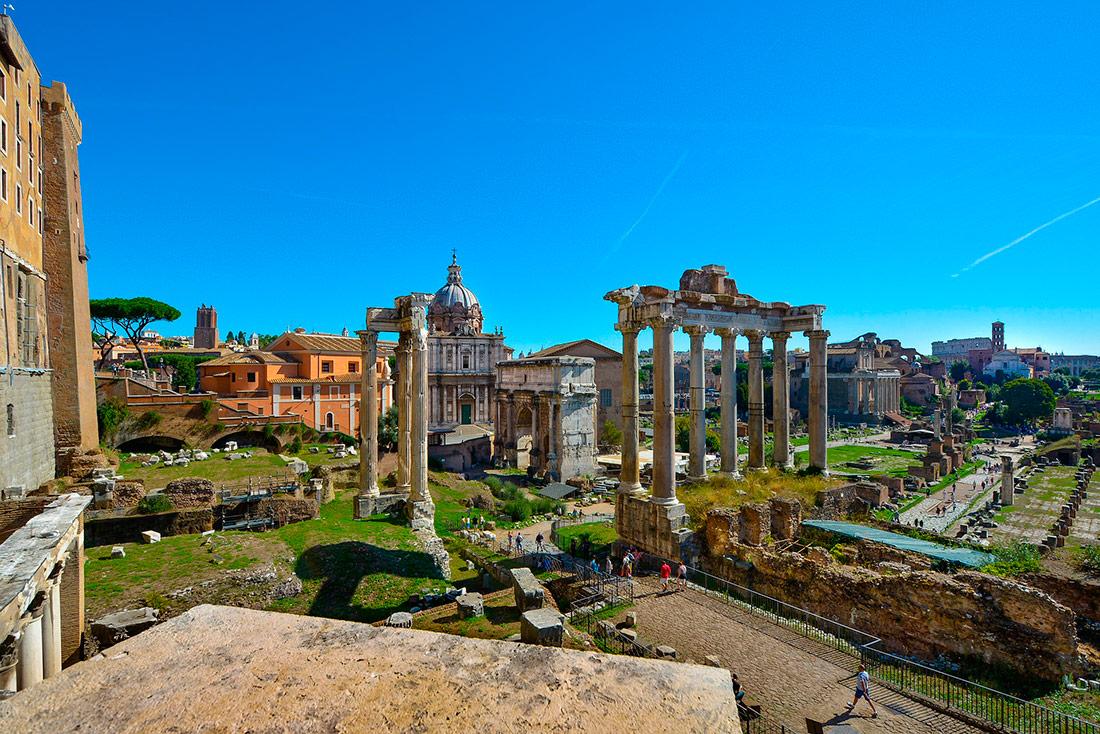
Representing a gathering of ruins, the Roman Forum was once the central hub of ancient Rome, a grand district of temples, basilicas, and bustling public spaces.
This site, which was originally an Etruscan burial ground, was first settled in the 7th century BC and evolved over time into the social, political, and commercial center of the Roman Empire. Points of interest include the Arch of Septimius Severus, the Curia, and the House of the Vestals.
Like many great cities, the forum lost its significance after the fall of the Roman Empire, eventually being used as pasture land. In the medieval era, it was known as Campo Vaccino ('Cow Field') and fell victim to looting for stones and marble.
The area began to be systematically excavated in the 18th and 19th centuries, and work continues to this day.
Address: Foro Romano, Via della Salara Vecchia, Rome, Italy.
Best Tours in Rome Based on Tourist Reviews:
St. Peter's Basilica

There are many remarkable churches in this city, but none compare to St. Peter's Basilica - the largest, richest, and most impressive basilica in Italy. Built on the site of a 4th-century church, it was consecrated in 1626 after 120 years of construction.
Its lavish interior includes many renowned works of art, including three of Italy's most famous masterpieces: Michelangelo's 'Pieta', his soaring dome, and Bernini's 29-meter-tall baldachin over the papal altar.
When visiting the basilica, expect long lines and strict dress code rules (no shorts, miniskirts, or bare shoulders allowed).
Address: Basilica di San Pietro, Piazza San Pietro, Vatican City, Papal State.
St. Peter's Basilica is available for Tours:
- St. Peter's Basilica in Vatican City
- St. Peter's Basilica - A Journey to the Vatican
- St. Peter's Basilica and the World of Catholic Faith
- Morning Rome from the Dome of St. Peter's Basilica
Palatine Hill
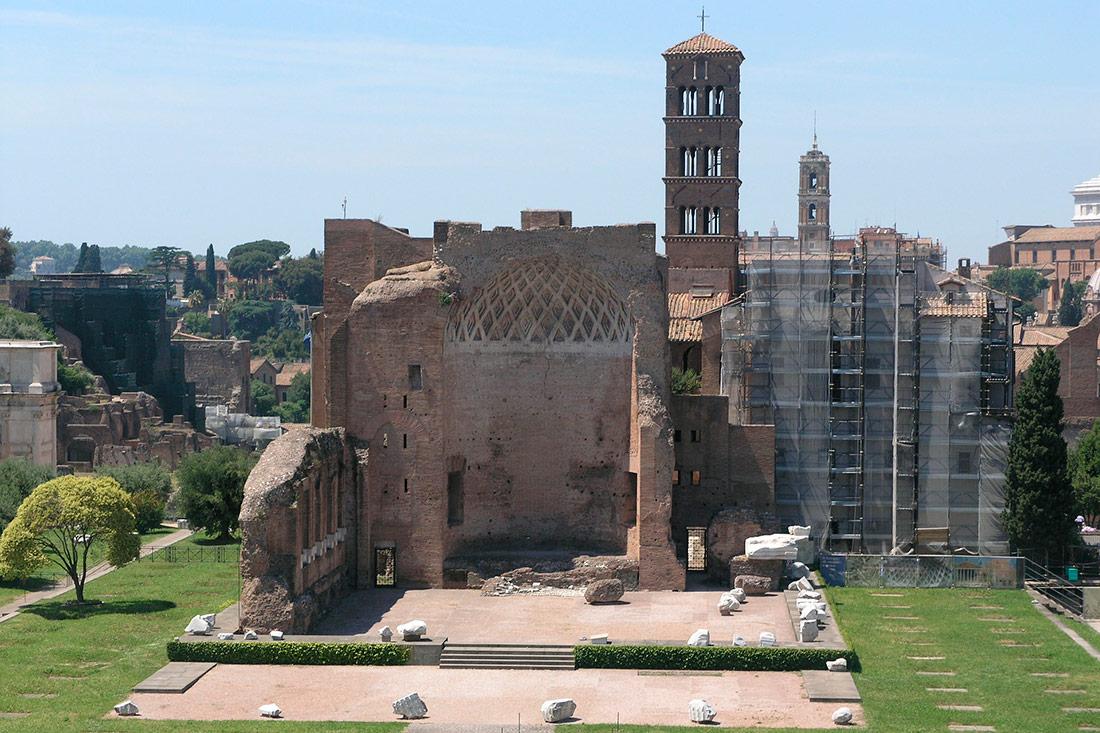
Nestled between the Roman Forum and Circus Maximus, Palatine Hill is an atmospheric area featuring tall pines, majestic ruins, and unforgettable views. It is believed that Romulus founded the city here in 753 BC, and this is where the emperors of Rome lived in extravagant luxury.
Be sure to check out the stadium, the ruins of the Domus Flavia (the imperial palace), and the terraces overlooking the Roman Forum from the Orti Farnesiani.
Address: Palatino, Rome, Italy.
Borghese Museum and Gallery
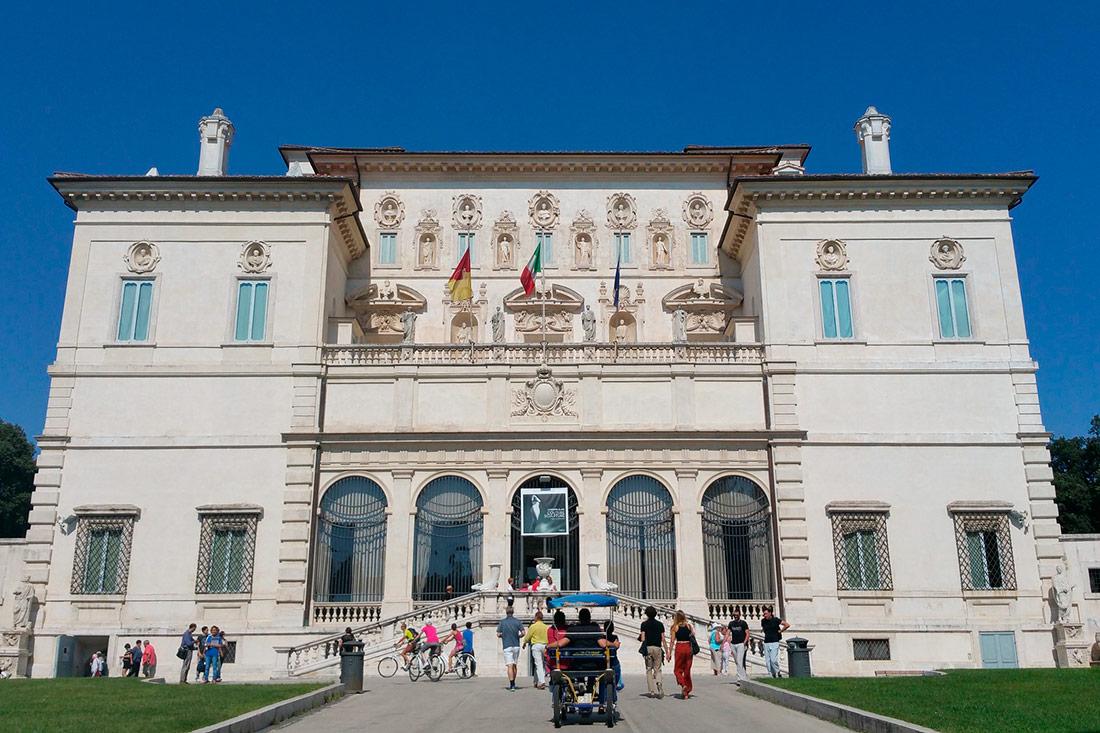
If you only have time to visit one art gallery in Rome, make it this one. It houses what is often called 'the queen of all private art collections': the gallery boasts works by Caravaggio, Raphael, and Titian, along with some lesser-known sculptures by Bernini.
There is much to see as a whole, but look out for Ratto di Proserpina (The Abduction of Proserpine) by Bernini and Venere vincitrice (Venus Victrix) by Canova first and foremost.
To limit the number of visitors, they allow entry at two-hour intervals, so you'll need to book tickets in advance and check the entry times.
Address: Museo e Galleria Borghese, Piazzale Scipione Borghese, Rome, Italy.
Capitoline Museums
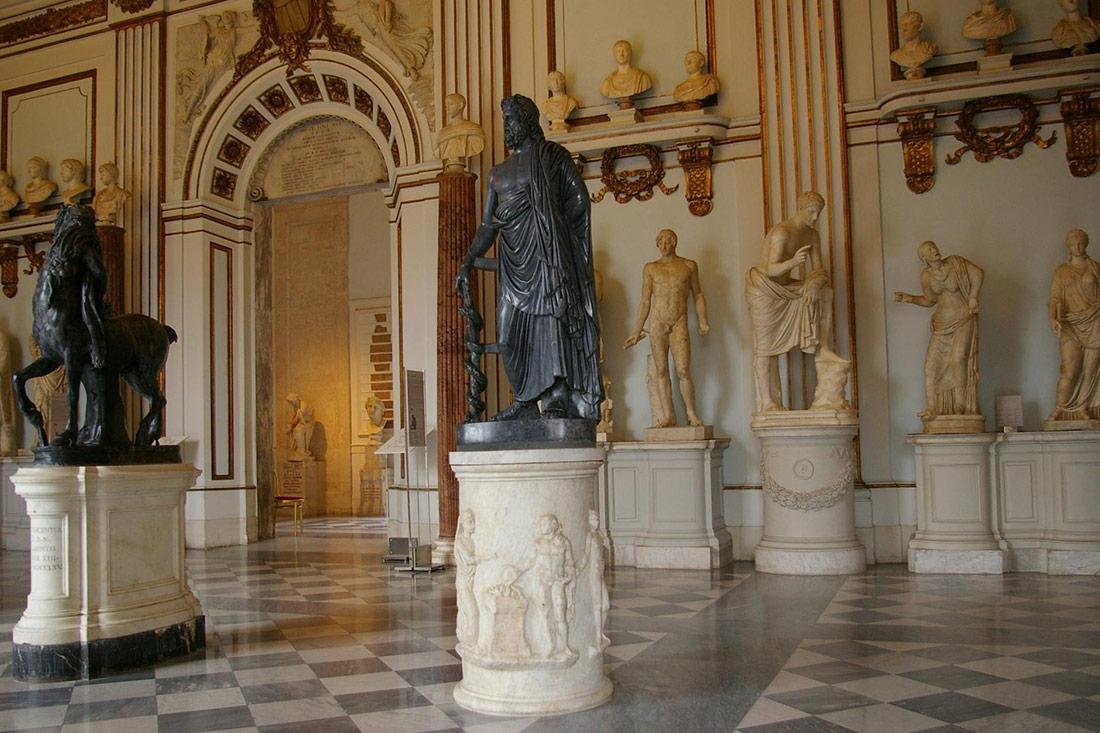
Founded in 1471, the Capitoline Museums are the oldest public museums in the world. Their collection of classical sculpture is one of the finest in Italy, including the famous Lupa Capitolina (Capitoline Wolf), the sculpture of Romulus and Remus with the she-wolf, and Galata morente (Dying Gaul), depicting a warrior's death.
There is also a vast art gallery featuring masterpieces by Titian, Tintoretto, Rubens, and Caravaggio.
Address: Musei Capitolini, Piazza del Campidoglio, Rome, Italy.
Available for Tours:
- Capitoline Museums - The Oldest Museums in the World
Contact Information:
Capitoline Museums - The Oldest Museums in the WorldPantheon
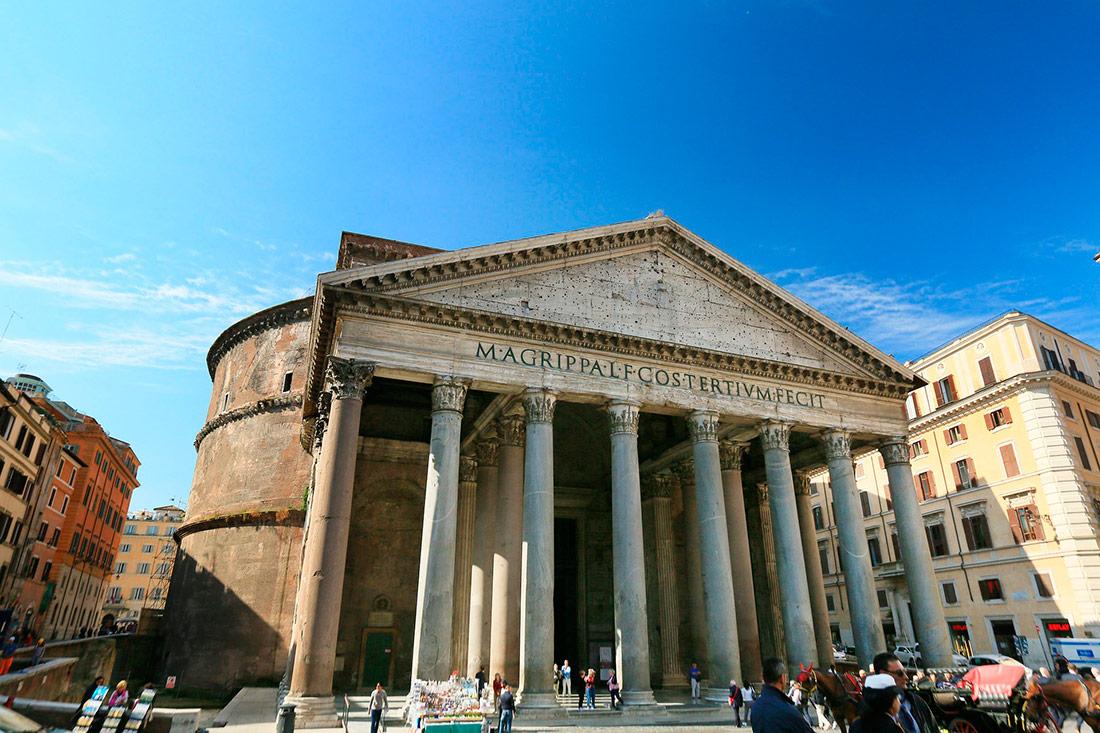
Magnificent temple with a 2000-year history, now a church, the Pantheon is the best-preserved of ancient Roman monuments and one of the most influential buildings in the western world. Built by Hadrian on the site of an earlier temple of Marcus Agrippa in 27 BC, it has stood here since about 125 AD, and while its gray exterior reflects its era, it remains a unique and breathtaking monument.
You must walk through its massive bronze doors and behold the largest unreinforced concrete dome.
The temple of Hadrian was dedicated to the classical gods, hence the name Pantheon, derived from the Greek words pan (all) and theos (god). However, in 608 AD, the temple was consecrated as a Christian church and is now officially called Basilica di Santa Maria ad Martyres.
The true charm of the Pantheon lies in its vast dimensions and awe-inspiring dome. Considered the greatest architectural achievement of the ancient Romans, it was the largest dome in the world until the 15th century and remains the largest unreinforced concrete dome today.
Its harmonious exterior is due to precisely measured symmetry - the dome's diameter is exactly equal to the Pantheon's interior height of 43.4 meters.
At its center is an oculus with a diameter of 8.7 meters, which symbolically connected the temple to the gods, playing a vital role in the geometry, absorbing and redistributing massive tensile forces of the dome. Rainwater does come in, but it drains through 22 nearly invisible holes in the sloped marble floor.
Address: Pantheon, Piazza della Rotonda, Rome, Italy.
Available for Tours:
- From the Colosseum to the Pantheon: Secrets of Ancient Rome
Contact Information:
From the Colosseum to the Pantheon: Secrets of Ancient RomeSt. John Lateran Basilica (Basilica di San Giovanni in Laterano)
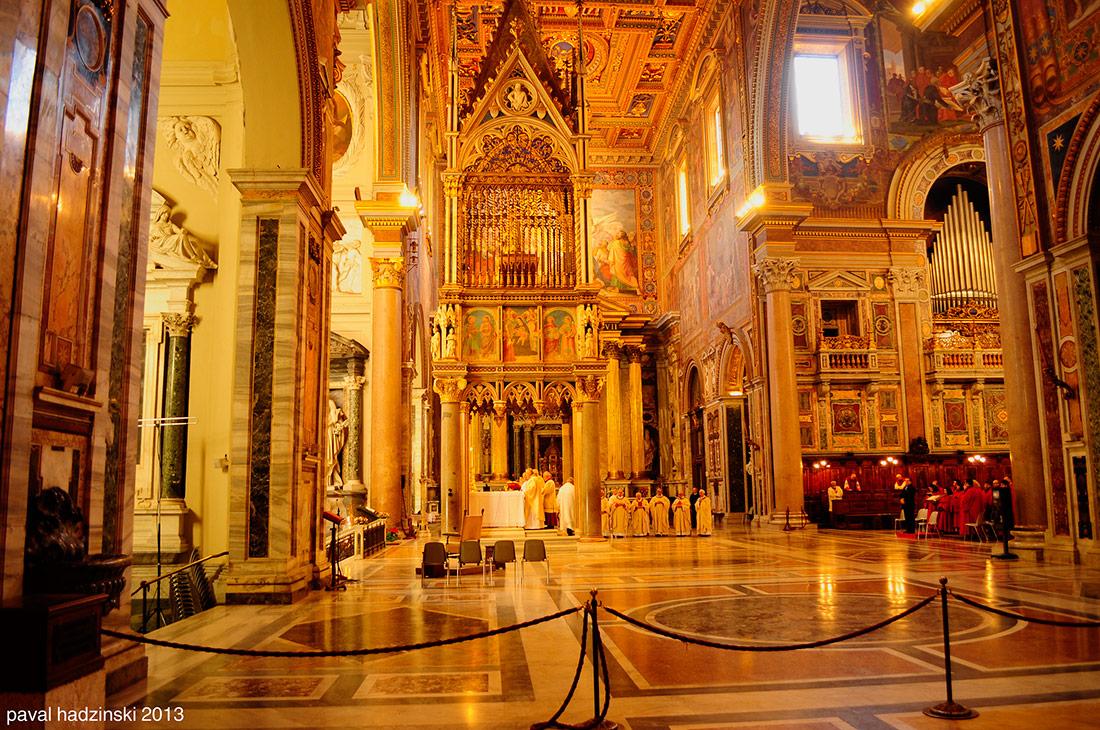
For a thousand years, this monumental basilica was the most important church in the Christian world. Built at the order of Constantine and consecrated in 324 AD, it was the first Christian basilica constructed in the city. Until the late 14th century, it was the pope's main place of worship. It remains the official cathedral of Rome and the Pope's residence as the Bishop of Rome.
Address: Basilica di San Giovanni in Laterano, Piazza di San Giovanni in Laterano, Rome, Italy.
Trevi Fountain
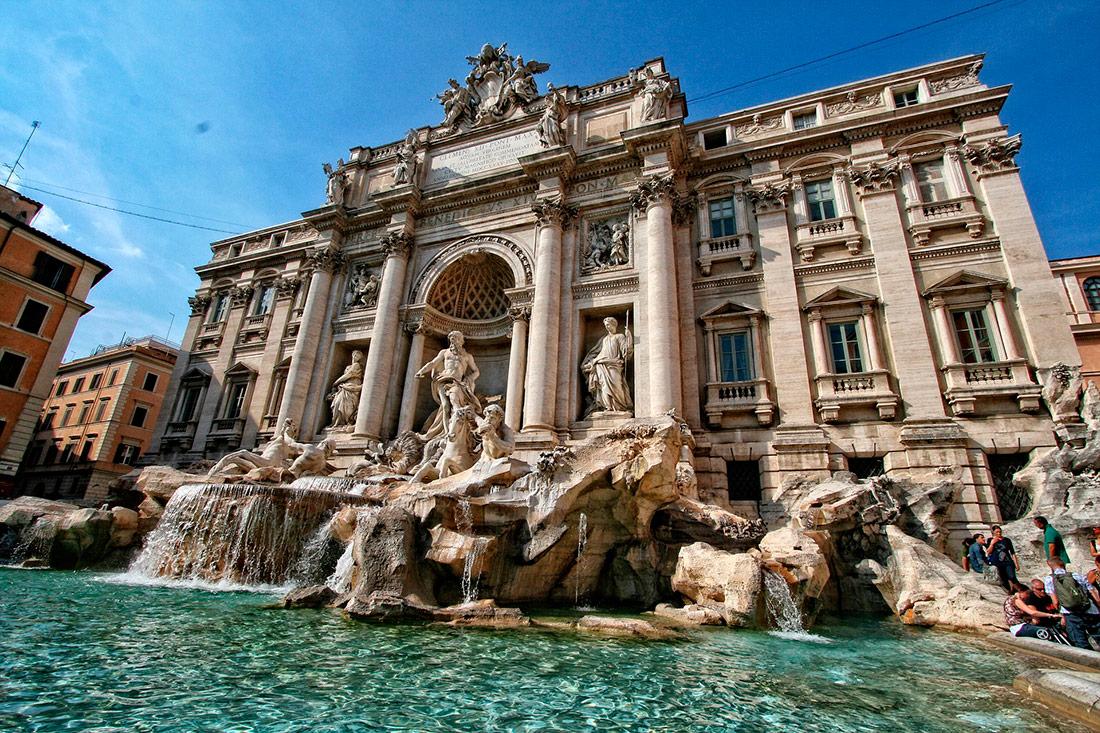
The Trevi Fountain, the scene of Anita Ekberg's bathing in the movie La Dolce Vita, is a vibrant Baroque ensemble of mythical figures and wild horses occupying the entire side of the 17th-century Palazzo Poli.
After its restoration, funded by Fendi in 2015, the fountain sparkles brighter than ever. Here, the tradition of tossing a coin into the water persists - ensuring your return to Rome. On average, about 3,000 euros are thrown into the fountain every day.
Address: Fontana di Trevi, Piazza di Trevi, Rome, Italy.
Piazza Navona
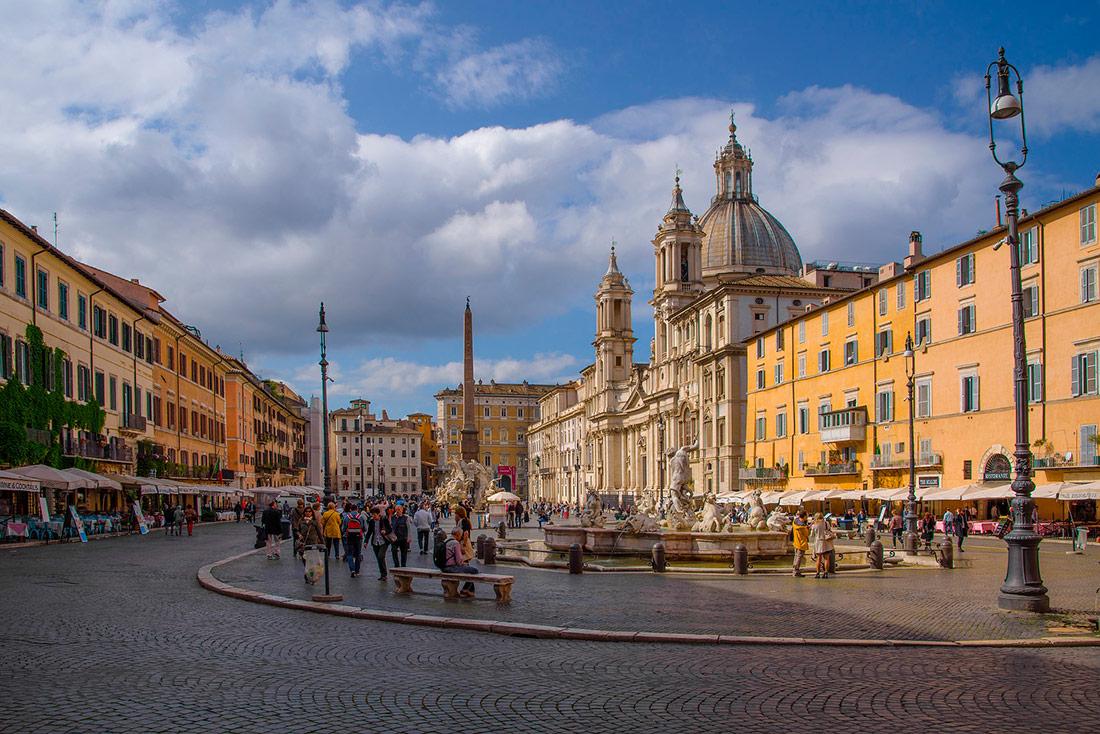
Piazza Navona, with its stunning fountains, Baroque-style palaces, colorful actors and street artists, vendors, and tourists, is an elegant embodiment of culture in the heart of Rome.
Built on the site of the 1st-century Stadium of Domitian, it was paved in the 15th century and served as the city's main market for nearly 300 years. The centerpiece contains Bernini's 'Fountain of the Four Rivers' - a vibrant fountain with an Egyptian obelisk and muscular representations of the Nile, Ganges, Danube, and La Plata.
Address: Piazza Navona, Rome, Italy.
Appian Way
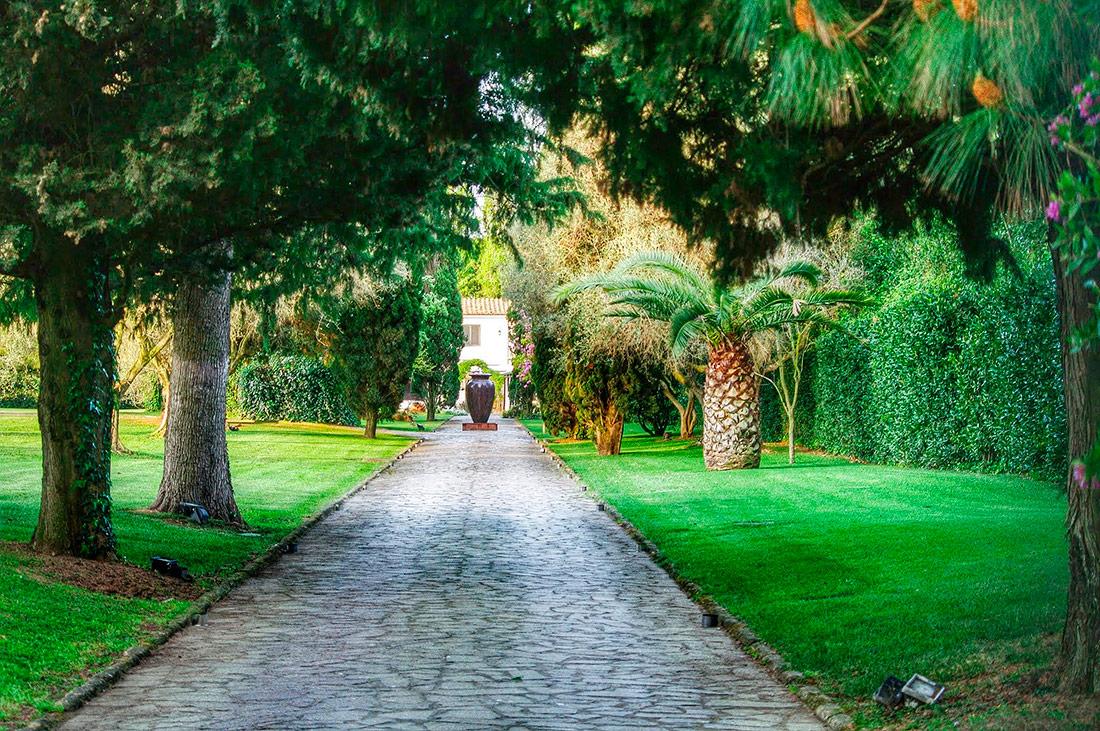
The road is named after the consul Appius Claudius Caecus, who laid the first 90-kilometer stretch in 312 BC. This was Rome's main road, later extended in 190 BC to reach Brindisi.
The Appian Way was long one of the most exclusive spots in Rome, a beautiful cobbled highway surrounded by grassy fields, Roman structures, and tall pines. The most magnificent structure on it was the Villa dei Quintili, so desirable that Emperor Commodus had its owner killed and took ownership himself.
This road has a dark history - here Spartacus and his 6,000 slave followers were crucified in 71 BC, and it is here that the first Christians buried their dead in three hundred kilometers of underground catacombs. You won't be able to visit all 300 kilometers, but the three main catacombs of San Callisto, San Sebastiano, and Santa Domitilla are open for visits.
Address: Parco Regionale Appia Antica, Via Appia Antica, Rome, Italy.
Basilica di Santa Maria Maggiore
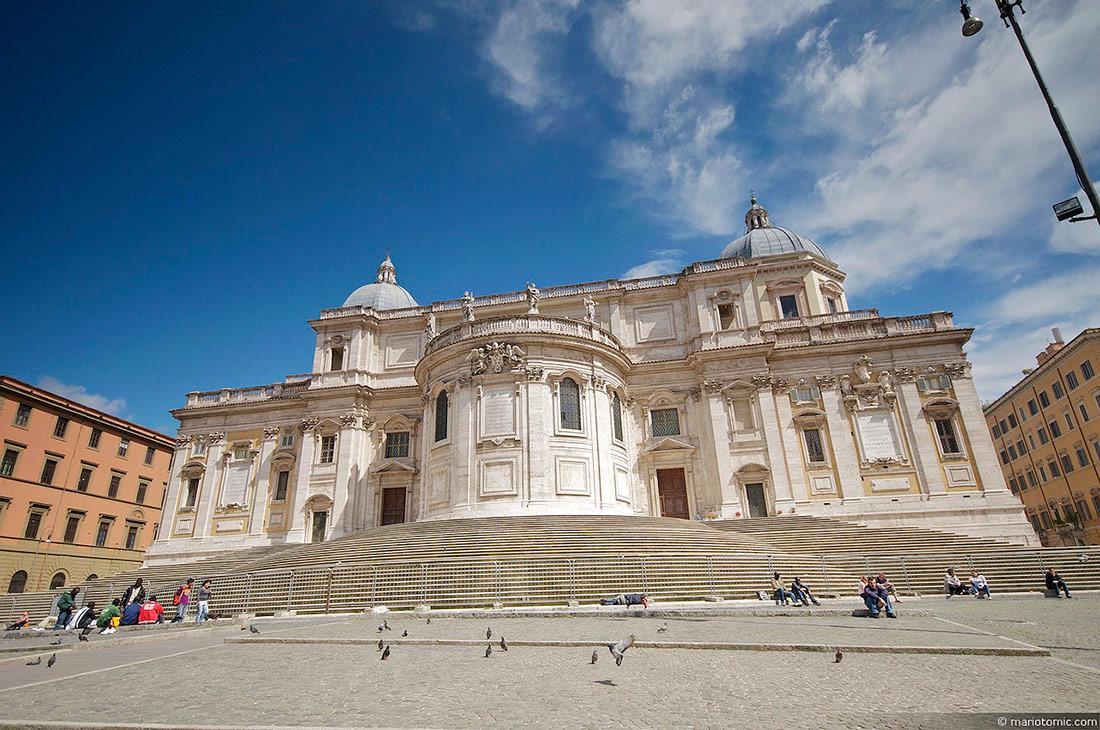
One of the four patriarchal basilicas of Rome, this monumental 5th-century church sits atop the Esquiline Hill, at the site where, according to legend, snow miraculously fell in the summer of 358 AD. To commemorate this event, each year on August 5th, thousands of white petals fall from the coffered ceiling of the basilica.
Changing over the centuries, this architectural hybrid impresses with its 14th-century Romanesque bell tower, 18th-century Baroque facade, predominantly Baroque interior, and a series of stunning 5th-century mosaics.
Address: Basilica Papale di Santa Maria Maggiore, Piazza di San Maria Maggiore, Rome, Italy.
National Museum of Rome: Palazzo Massimo alle Terme
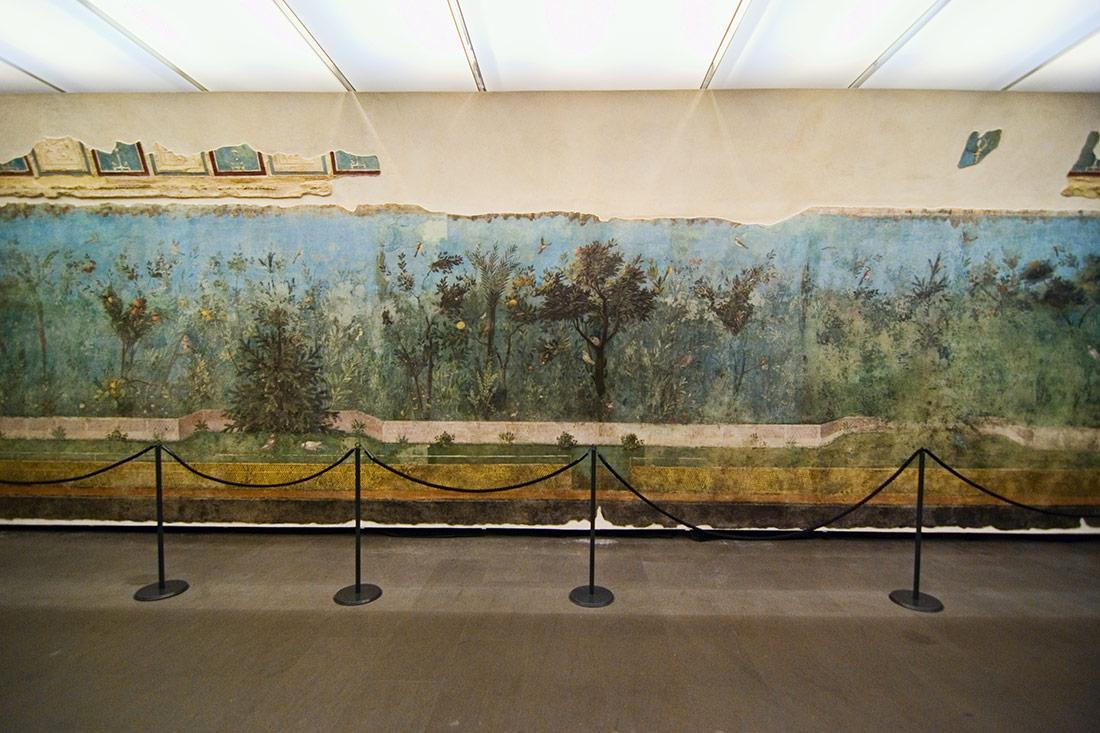
One of the greatest museums in Rome, an incredible treasure trove of classical art. The first and second floors are dedicated to sculpture, with some pieces that are simply breathtaking. Look for the Pugile (Boxer), a 2nd-century Greek bronze, the graceful Ermafrodite dormiente (Sleeping Hermaphrodite) also of the 2nd century BC, and the idealized Il discobolo (Discobolus).
The second floor features magnificent colored frescoes that are well worth seeing.
Address: Palazzo Massimo alle Terme, Largo di Villa Peretti, Rome, Italy.
Doria Pamphilj Gallery
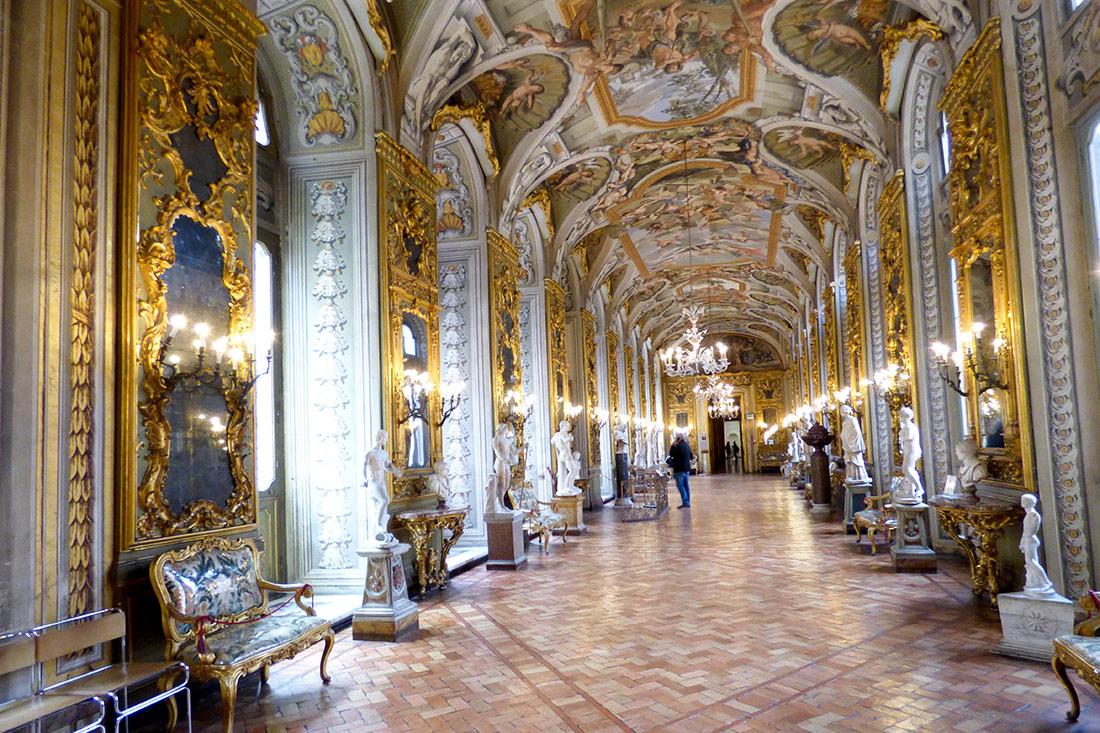
This remarkable gallery, hidden behind the dingy gray facade of the Palazzo Doria Pamphilj, boasts one of the richest private collections in Rome, featuring works by Raphael, Tintoretto, Titian, Caravaggio, Bernini, and Velazquez, as well as several Flemish masters.
There is no shortage of masterpieces, but the undeniable star is the portrait of the imperious Pope Innocent X by Velazquez, who outraged that the likeness is 'too real'. For comparison, check out the sculptural interpretation by Gian Lorenzo Bernini of the same subject.
Address: Galleria Doria Pamphilj, Corso, Rome, Italy.
Basilica di Sant'Agnese Fuori le Mura & Mausoleo di Santa Costanza
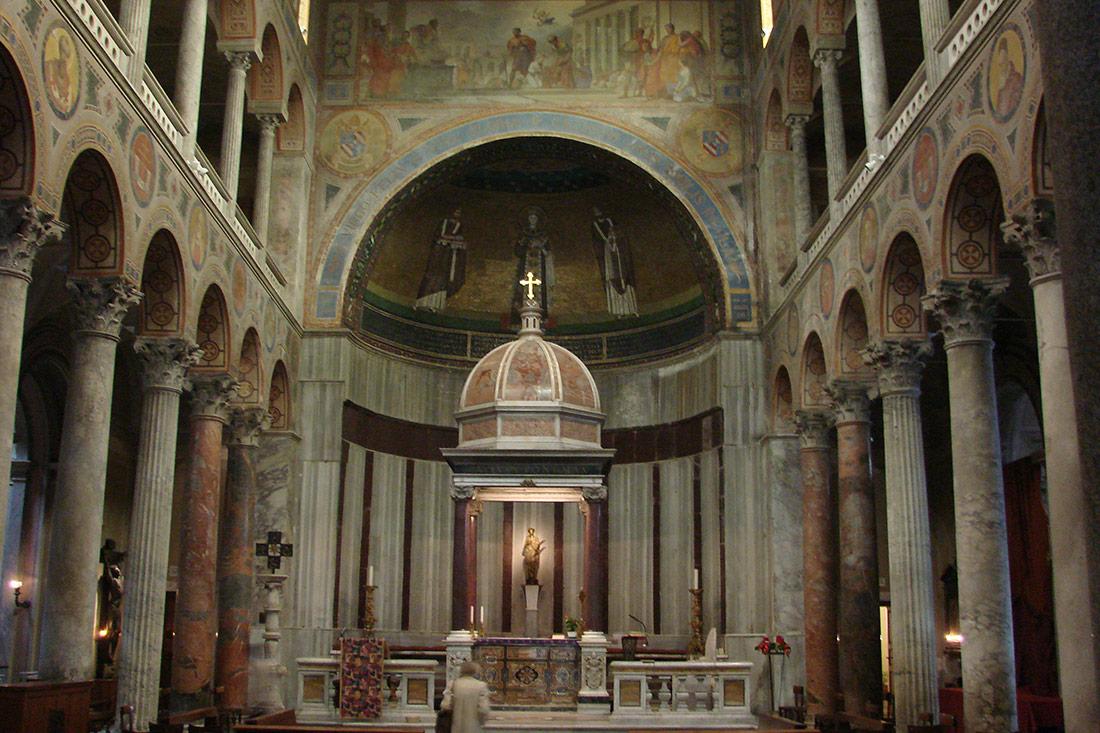
Though a bit tricky to find, it's worth seeking out this intriguing medieval church complex. Located above the catacombs where St. Agnes was buried.
It includes the Basilica di Sant'Agnese Fuori le Mura, featuring stunning Byzantine mosaics of saints, and the Mausoleum of Santa Costanza, a round 4th-century mausoleum decorated with some of the oldest mosaics in the Christian world.
Address: Basilica di Sant'Agnese fuori le Mura, Via Nomentana, Rome, Italy.
Church of Gesu (Il Gesu)
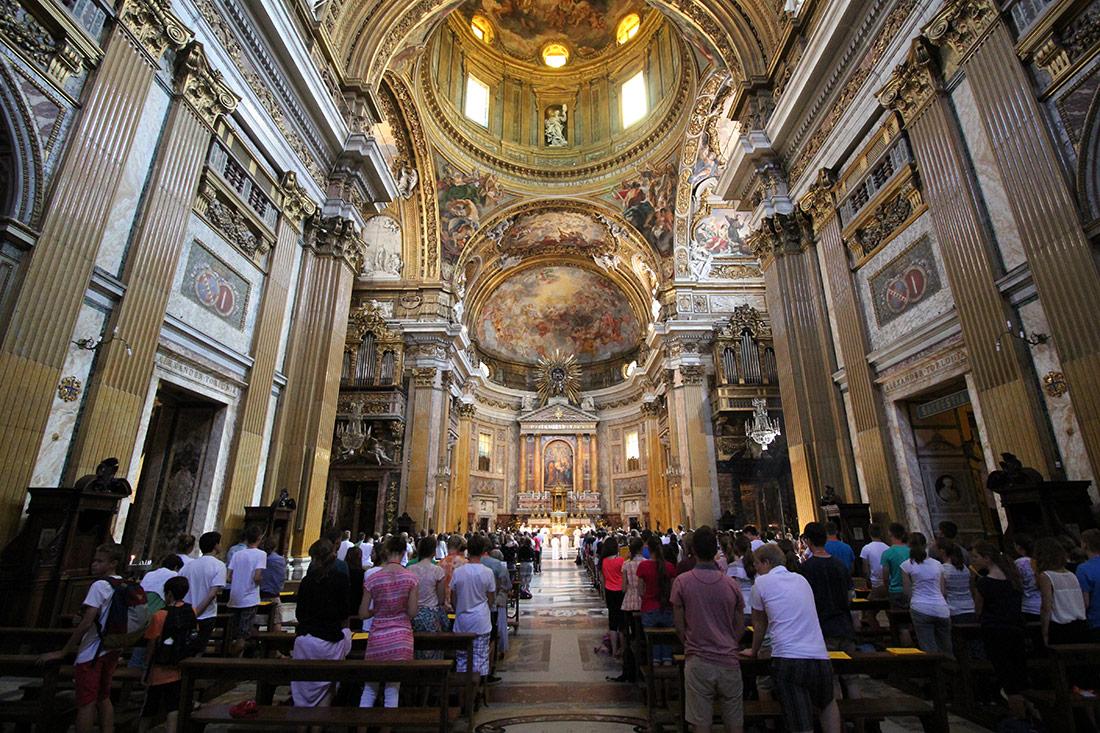
An impressive example of Counter-Reformation architecture, the most important Jesuit church in Rome is a fairytale example of Baroque art. Major works include the ceiling fresco by Giovanni Battista Gaulli (Il Baciccia) and an ornate tomb for Ignatius of Loyola, the Spanish soldier and saint who led the Jesuits in 1540.
Saint Ignatius lived in the church from 1544 until his death in 1556, and you can visit his private rooms in the Cappella di Sant'Ignazio.
Address: Chiesa del Gesu, Via degli Astalli, Rome, Italy.
National Museum of Rome: Palazzo Altemps
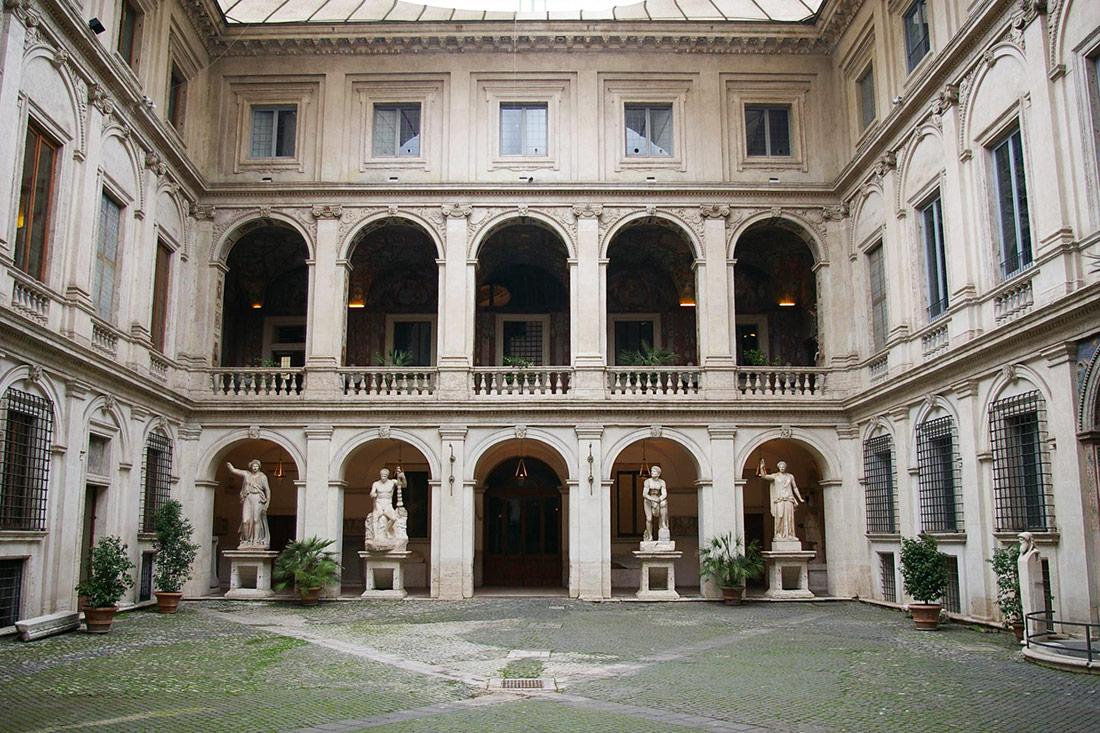
Located north of Piazza Navona, Palazzo Altemps is a beautiful late 15th-century palazzo housing some of the best of the vast collection of classical sculpture in the National Museum of Rome. Many of the works derive from the famous Ludovisi collection, assembled by Cardinal Ludovico Ludovisi in the 17th century.
Address: Museo Nazionale Romano, Palazzo Altemps, Piazza di Sant'Apollinare, Rome, Italy.
Basilica di San Paolo Fuori le Mura
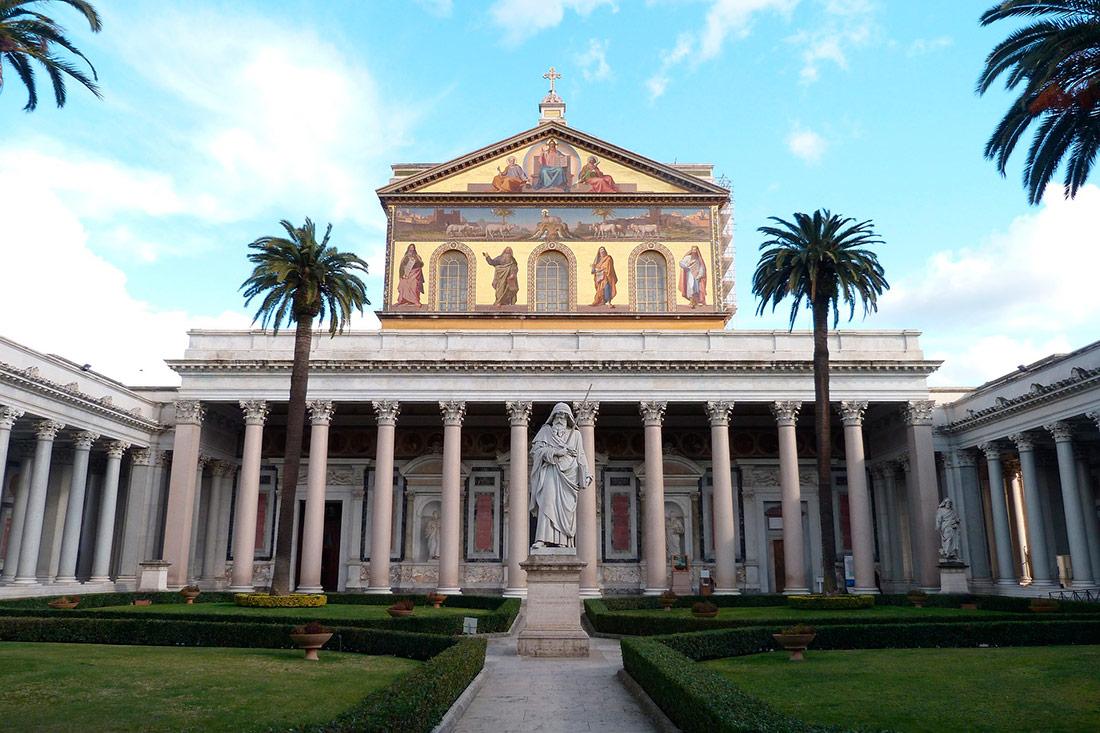
This magnificent basilica is the largest church in Rome after St. Peter's Basilica (and the third largest in the world) and stands on the site where St. Paul was buried after being beheaded in 67 AD.
Built by Constantine in the 4th century, it was largely destroyed by fire in 1823, and much of what you see is a 19th-century reconstruction.
Address: Basilica Papale San Paolo fuori le Mura, Piazzale San Paolo, Rome, Italy.
Piazza di Spagna and the Spanish Steps
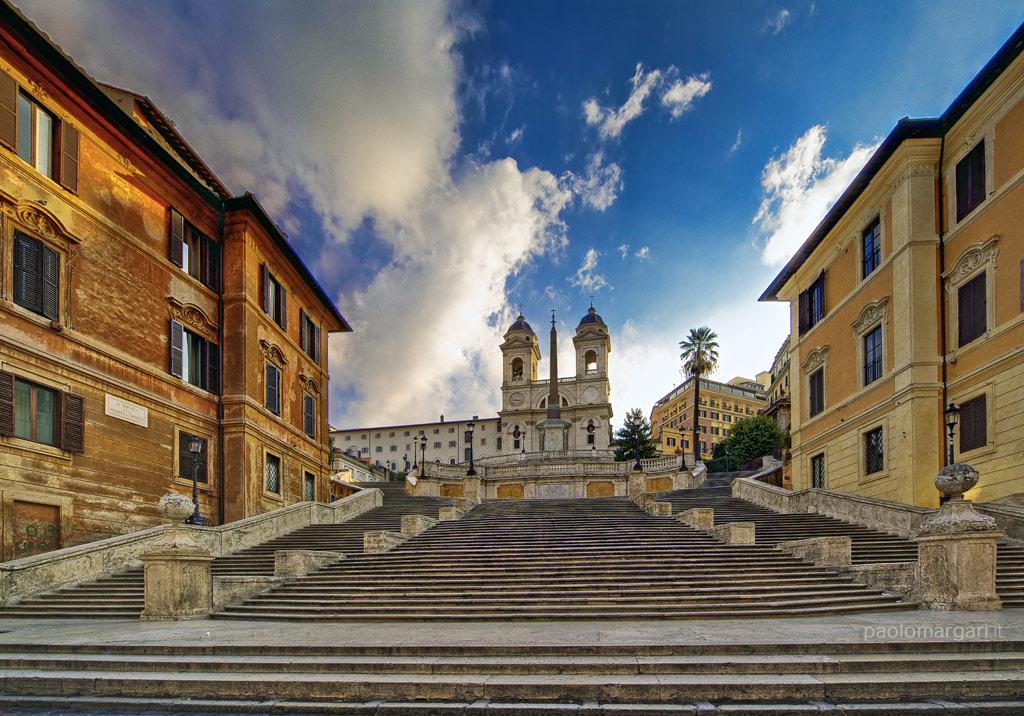
The Spanish Steps (Scalinata della Trinita dei Monti), which have been attracting visitors since the 18th century, are the perfect place for people-watching. The 135 sparkling steps rise from Piazza di Spagna to the famous landmark of Chiesa della Trinita dei Monti.
Piazza di Spagna is named for the Spanish Embassy to the Holy See, but the stairs themselves, designed by Italian Francesco de Sanctis, were built in 1725, funded by a legacy from a French diplomat.
Address: Scalinata di Trinita dei Monti, Piazza di Spagna, Rome, Italy.
Palazzo Colonna
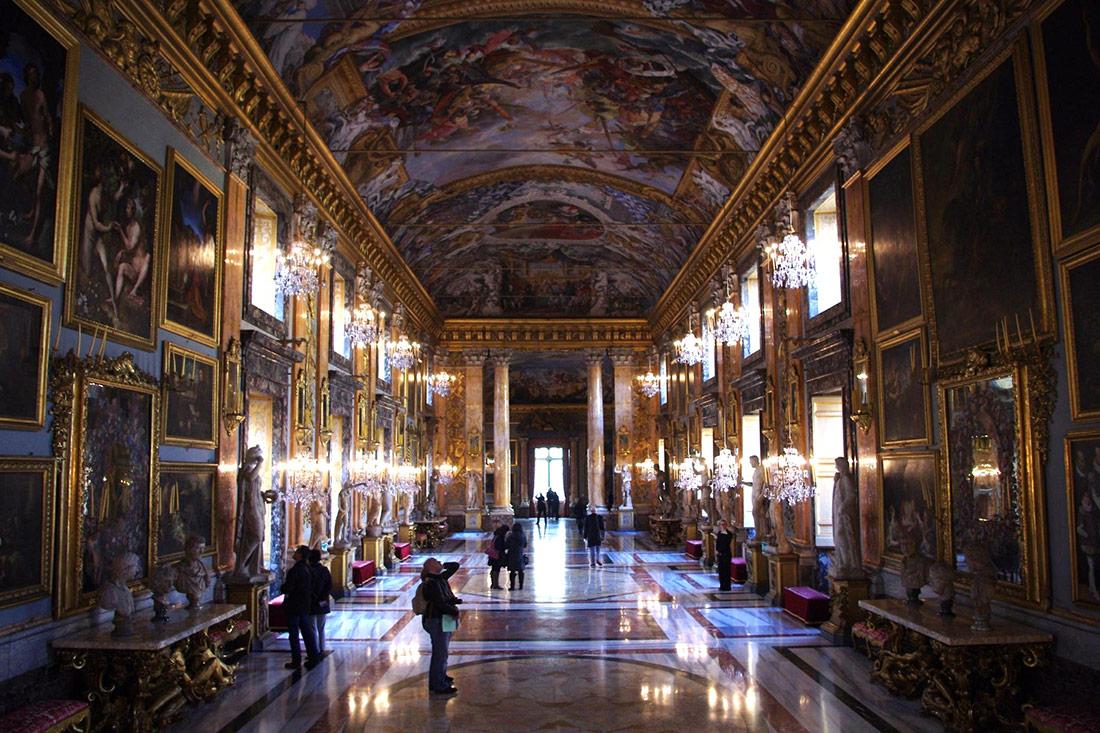
In this luxurious 17th-century gallery, the only part of Palazzo Colonna open to the public, is a private art collection of the Colonna family.
The six rooms of the gallery are adorned with magnificent ceiling frescoes dedicated to Marcantonio Colonna, the family's great ancestor who defeated the Turks at the naval battle of Lepanto in 1571. Works by Giovanni Coli and Filippo Gherardi in the Grand Hall, Sebastiano Ricci in the Landscapes Room, and Giuseppe Bartolomeo Chiari in the Throne Room recount his valor.
Also, be sure to notice the cannonball lodged in the marble staircase of the gallery, a vivid reminder of the siege of Rome in 1849.
Another wing includes the lavish Clock Room and a rich collection of 17th-century Artemisia tapestries. From May to October, there is a terrace cafe open.
Address: Galleria Colonna, Via della Pilotta, Rome, Italy.
Available for Tours:
- Palazzo Colonna - Roman Versailles
Contact Information:
Palazzo Colonna - Roman VersaillesCastel Sant'Angelo
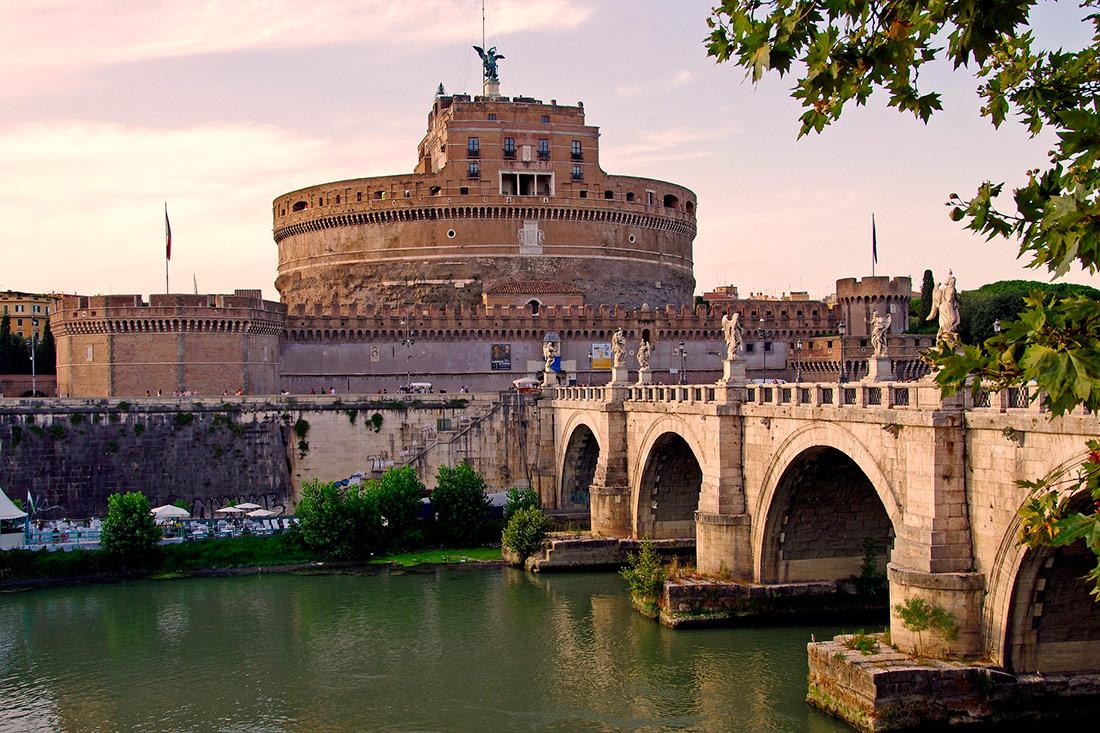
This castle with a circular fortress is an instantly recognizable landmark. Built as a mausoleum for Emperor Hadrian, it was converted into a papal fortress in the 6th century and renamed in honor of the vision of an angel that occurred to Pope Gregory the Great in 590 AD.
Today, it houses the National Museum of Castel Sant'Angelo, with its collection of paintings, sculptures, military memorabilia, and medieval firearms.
Address: Castel Sant'Angelo, Lungotevere Castello, Rome, Italy.
Basilica of Saint Clement
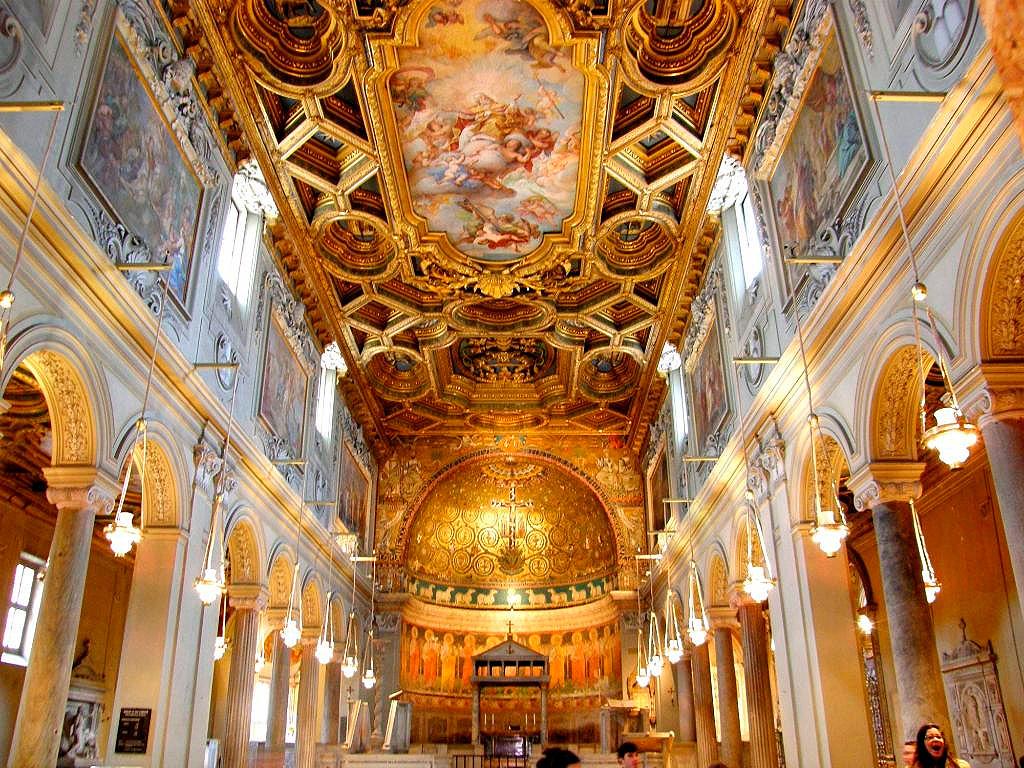
Nowhere are the various stages of Rome's tumultuous past better captured than in this fascinating multi-level church. The above-ground basilica from the 12th century stands on the foundation of a 4th-century church, which in turn rises above a pagan temple from the 2nd century and a Roman house from the 1st century.
Address: Basilica di San Clemente, Via Labicana, Rome, Italy.
Palazzo Barberini
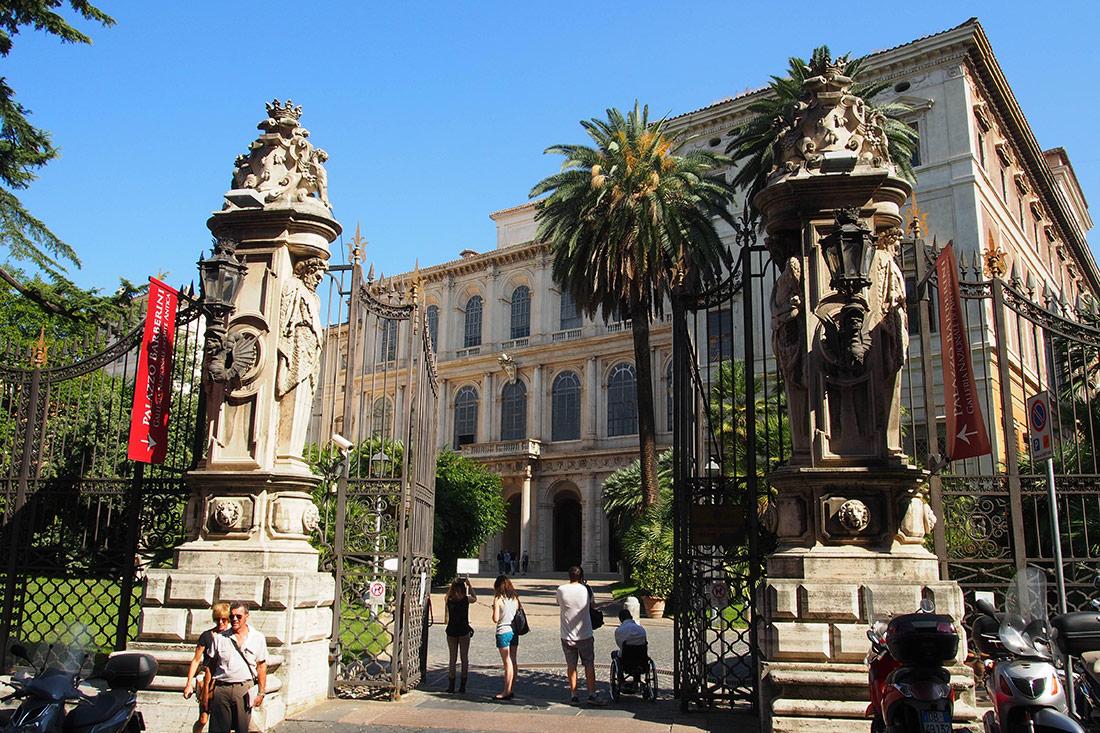
Palazzo Barberini, built to commemorate the rise of the Barberini family to papal power, is an extravagant Baroque palace that impresses long before you even see the breathtaking art within. It was worked on by many noted architects, including rivals Bernini and Borromini.
Among the masterpieces, do not miss Il Trionfo della Divina Provvidenza by Pietro da Cortona ('The Triumph of Divine Providence' 1632-39) and the spectacular frescoes on the ceiling of the palace's main hall on the first floor.
Address: Galleria Nazionale d'Arte Antica in Palazzo Barberini, Via delle Quattro Fontane, Rome, Italy.
Baths of Caracalla
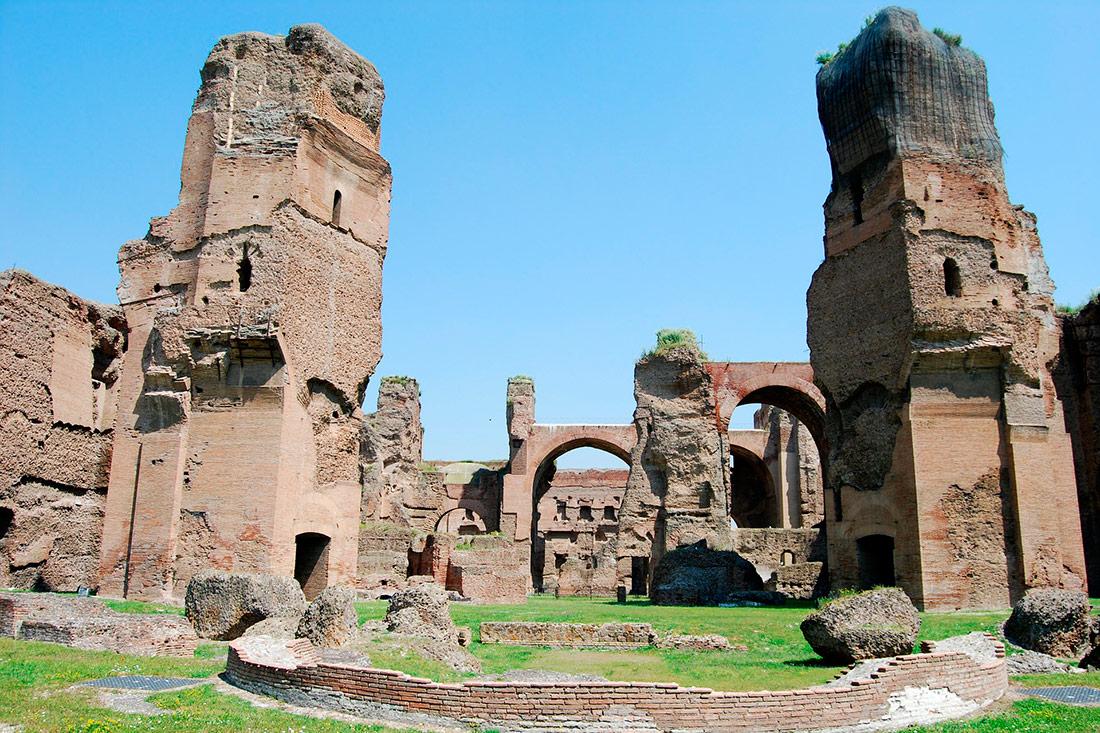
The ruins of Emperor Caracalla's bathing complex are among the most impressive Roman ruins. The complex opened in 216 AD and covered an area of 10 hectares. It included baths, gymnasiums, libraries, shops and gardens. Up to 8,000 people used the complex daily.
Most of the ruins are what remains of the central bath. It was a huge rectangular building surrounded by two gyms and located at the center of the frigidarium (cold room), where bathers stopped after the warm tepidarium and caldarium (hot room).
Address: Terme di Caracalla, Viale delle Terme di Caracalla, Rome, Italy.
Available for Tours:
- Baths of Caracalla - Embodiment of Freedom, Beauty, and Health
Contact Information:
Baths of Caracalla - Embodiment of Freedom, Beauty, and HealthVilla Medici
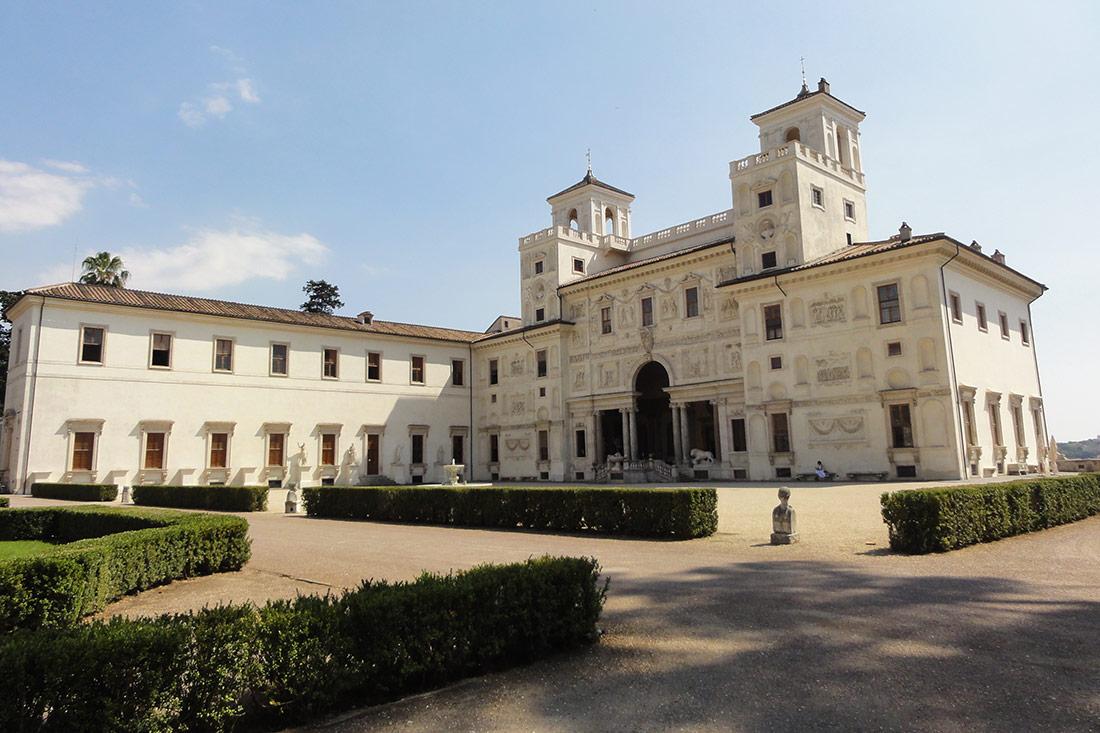
This luxurious Renaissance palace was originally constructed for Cardinal Ricci da Montepulciano in 1540, but Ferdinand de' Medici acquired it in 1576. It remained in Medici ownership until 1801 when Napoleon purchased it for the French Academy.
Address: Villa Medici, Viale della Trinita dei Monti, Rome, Italy.
Trajan's Market
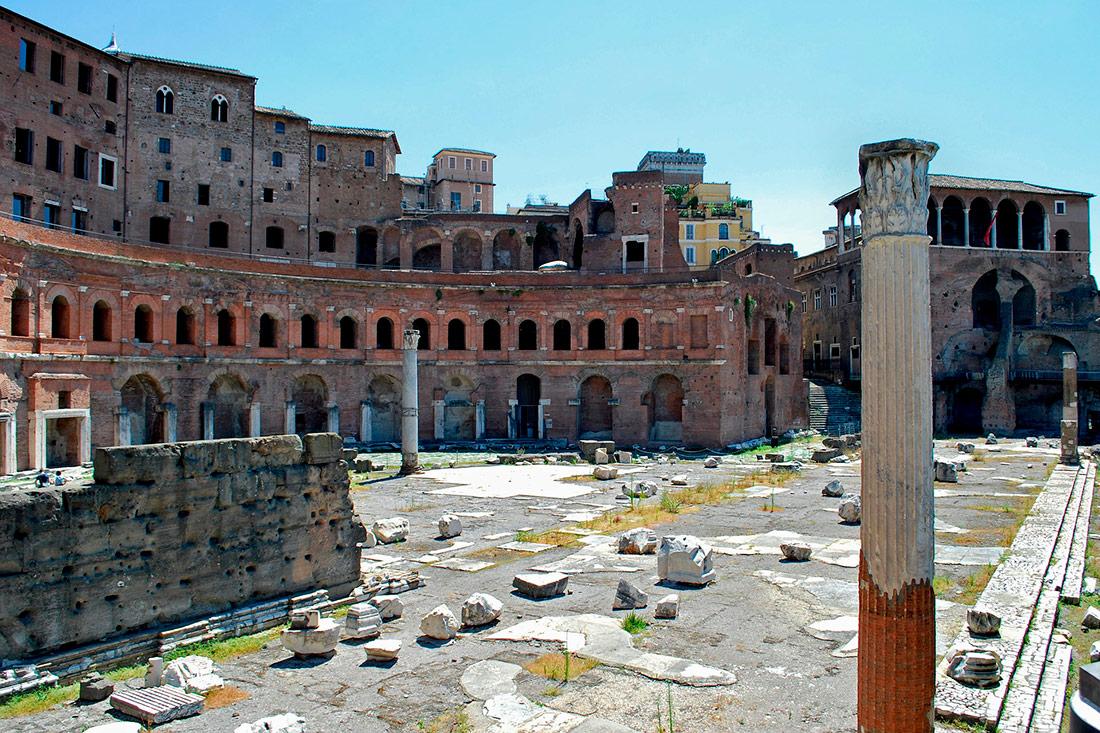
Trajan's Market - the ruins of commercial buildings situated at Trajan's Forum in Rome. It was a five-story complex built by Apollodorus of Damascus. The structure was located on the slope of the hill and was terraced. It housed about 150 shops, taverns, snack bars, and food distribution points for the populace.
Each shop had an exit (vitrina) onto the street. The shops sold spices, fruits, wine, olive oil, fish, silk, and other goods from the East. In the center of the market was the Via Biberatica - a street named for the taverns located along it.
Address: Mercati di Traiano, Via Quattro Novembre, Rome, Italy.
Santa Maria del Popolo
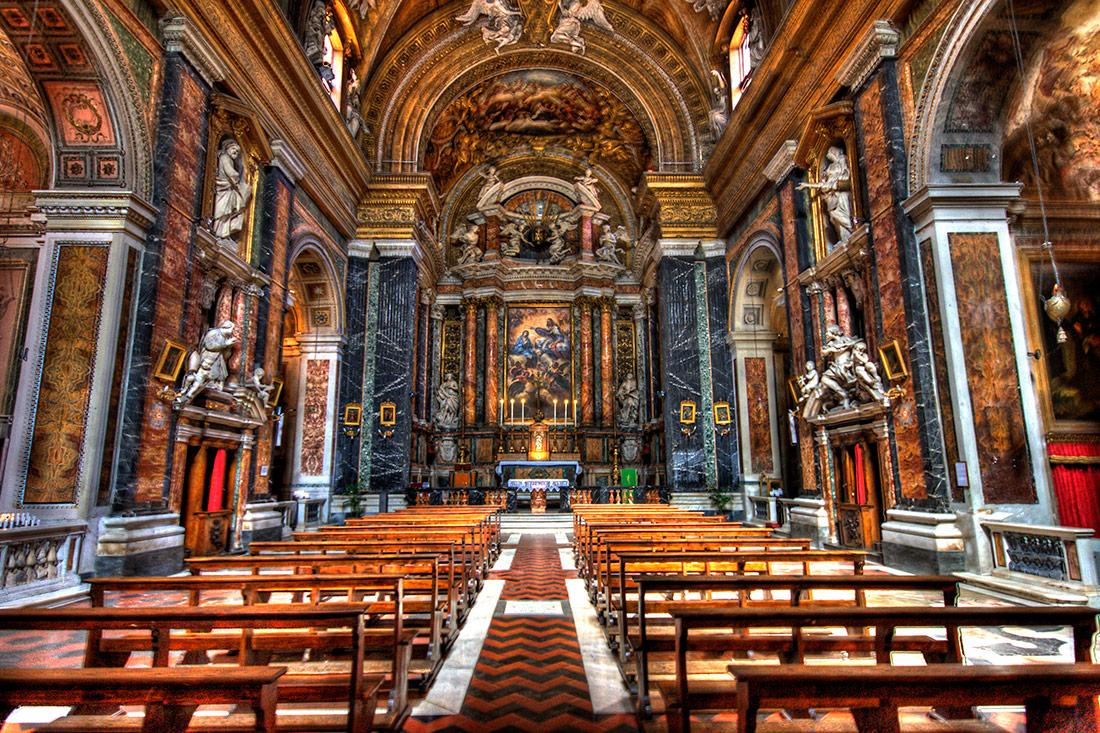
A magnificent repository of artworks, this is one of the earliest and most affluent Roman churches of the Renaissance. Among the numerous works displayed, there are two masterpieces by Caravaggio: 'Conversion of Saint Paul' (1601) and 'Crucifixion of Saint Peter' (1601) in the chapel to the left of the main altar. But there are also many other beautiful works.
Address: Basilica Parrocchiale Santa Maria del Popolo, Piazza del Popolo, Rome, Italy.
San Luigi dei Francesi
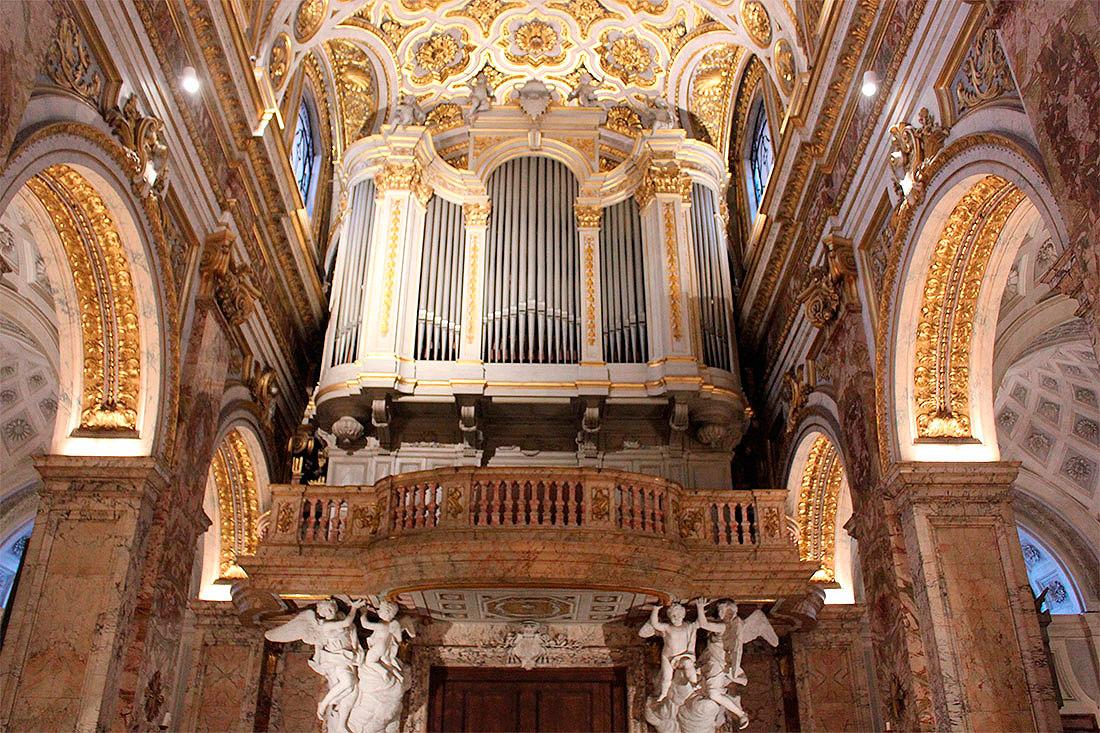
The church known to the French community of Rome since 1589. This opulent Baroque church is home to a famous trio of paintings by Caravaggio: Vocazione di San Matteo (The Calling of Saint Matthew), Martirio di San Matteo (Martyrdom of Saint Matthew), and San Matteo e l'angelo (Saint Matthew and the Angel), commonly referred to as the Saint Matthew cycle.
These three canvases, located in the Cappella Contarelli to the left of the main altar, are among the earliest of Caravaggio's religious works, painted between 1600 and 1602, showcasing realism and stunning use of chiaroscuro (bold contrast between light and dark).
Address: San Luigi dei Francesi, Piazza di San Luigi de' Francesi, Rome, Italy.
Catacombs of Saint Sebastian
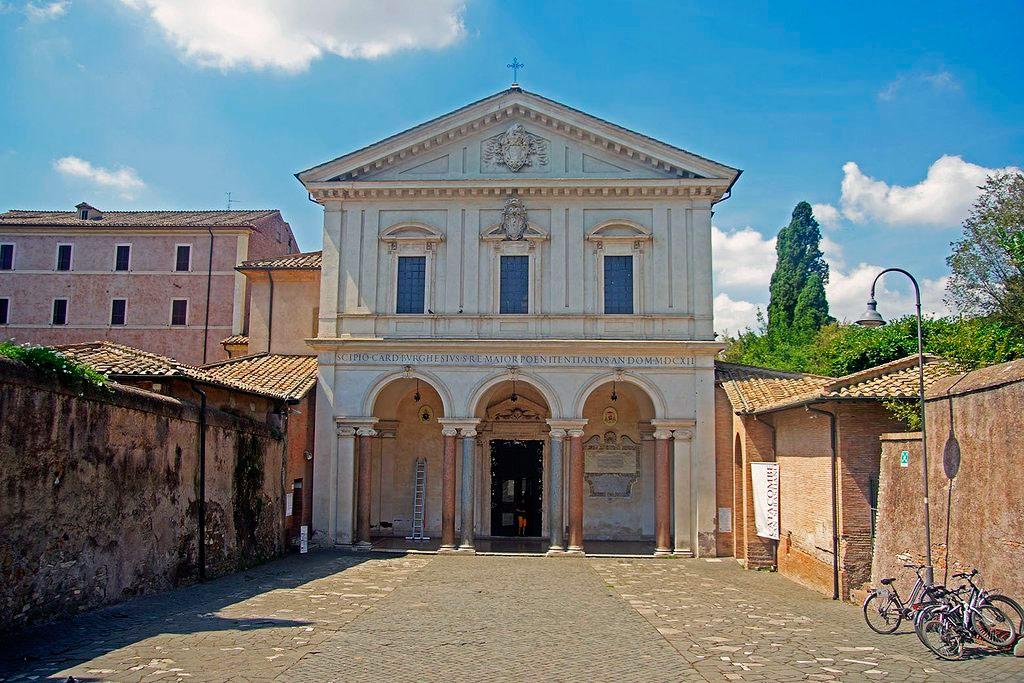
These underground catacombs, extending beneath the Basilica of San Sebastiano, were the first to be called catacombs - the name stems from the Greek kata (near) and kimbas (hollows), because they were located near a cave.
The catacombs were largely used from the 1st century, and during the persecutory reign of Vespasian they provided refuge for the remains of Saints Peter and Paul.
The first level is now mostly destroyed, but on the second level, one can see frescoes, stuccoes, and inscriptions. There are also three well-preserved mausoleums and a plastered wall with hundreds of invocations to Peter and Paul carved by believers in the 3rd and 4th centuries.
Above the catacombs lies a basilica, heavily altered from the 4th-century church, which houses one of the arrows allegedly used to kill Saint Sebastian and the column to which he was tied.
Address: Catacombe di San Sebastiano, Via Appia Antica, Rome, Italy.
Quirinal Palace
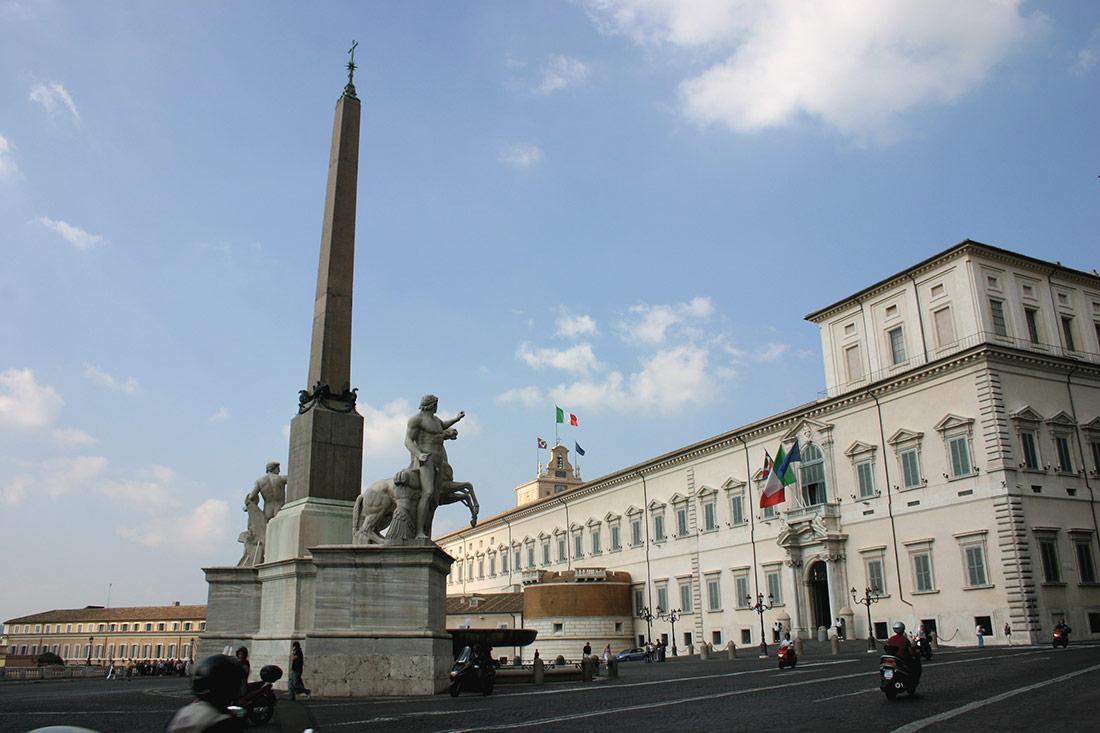
This vast palace overlooking Piazza del Quirinale is the official residence of the head of the Italian state, namely the President of the Republic. For nearly three centuries, it was a summer residence for the pope, but in 1870, Pope Pius IX handed over the keys to the new King of Italy. Later, in 1948, the palace was passed to the Italian state.
Address: Palazzo del Quirinale, Piazza del Quirinale, Rome, Italy.
Piazza del Popolo
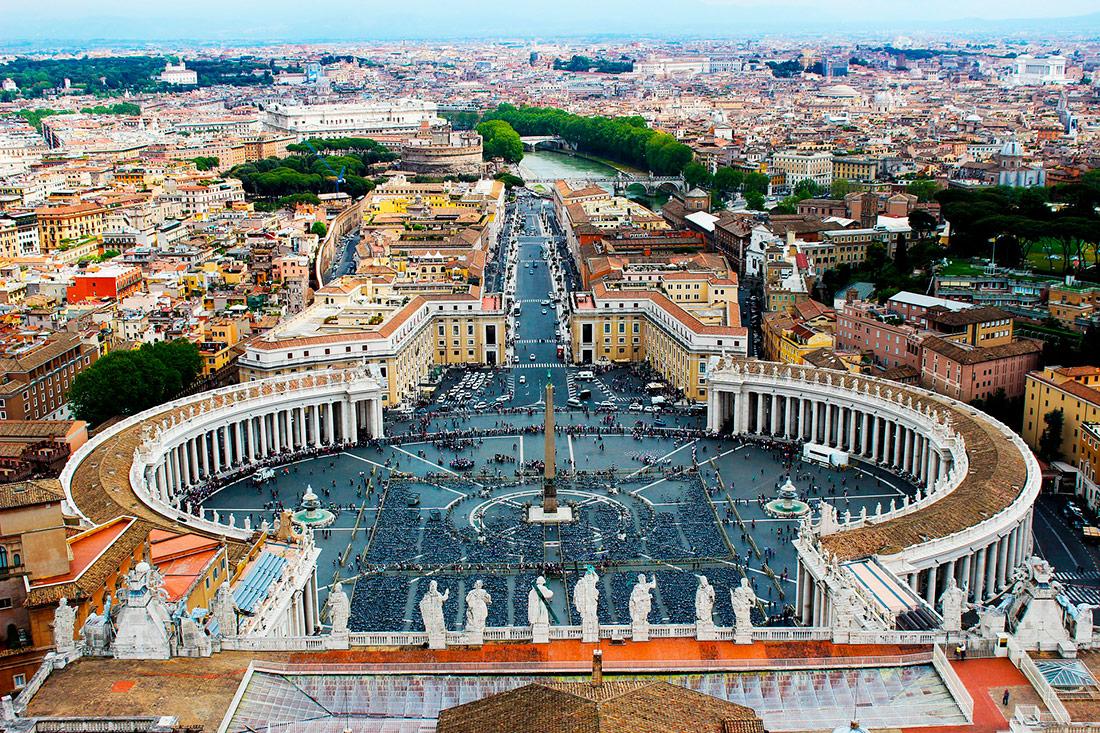
This dazzling square was laid out in 1538 and lies at the northern gates of Rome. Since then, it has been rebuilt several times, most recently by Giuseppe Valadier in 1823. In the center of the square stands a 36-meter obelisk, brought by Augustus from ancient Egypt, it originally stood in the Circus Maximus.
Address: Piazza del Popolo, Rome, Italy.
Basilica of Santa Maria in Trastevere
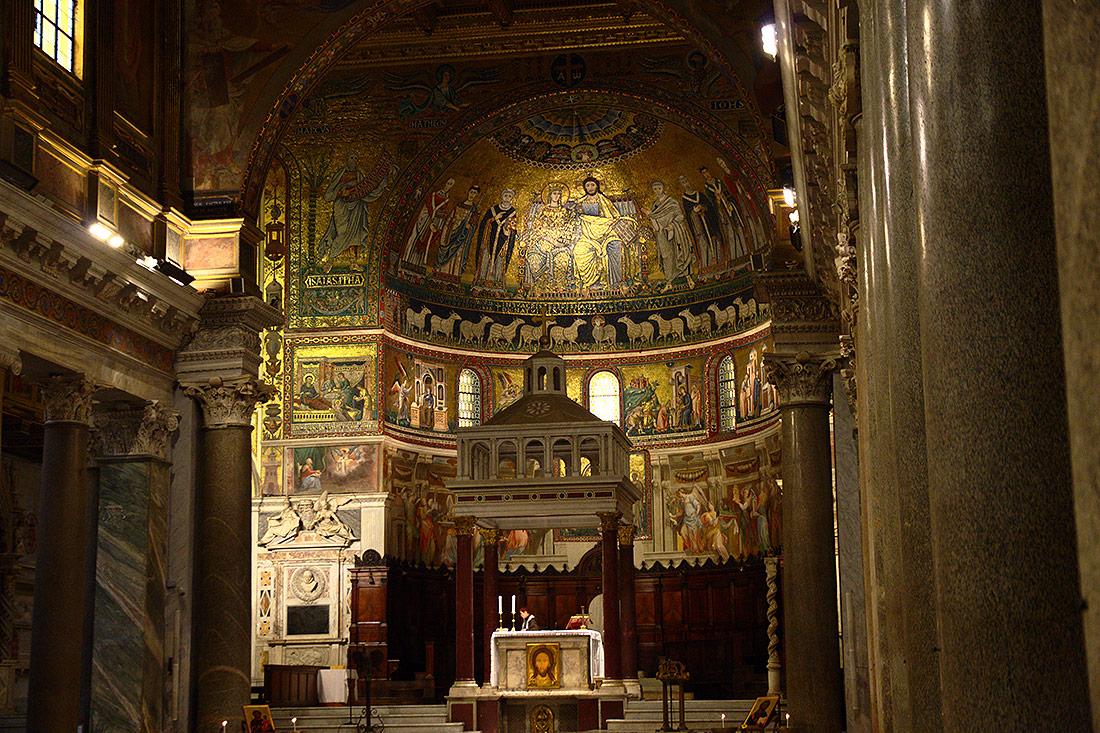
Situated in a quiet corner of the central square of Trastevere, this is said to be the oldest church dedicated to the Virgin Mary in Rome. Its original form dates back to the early 3rd century but underwent significant renovation in the 12th century with the addition of the Romanesque bell tower and shimmering facade. The portico was added later by Carlo Fontana in 1702. Inside, there is a 12th-century mosaic.
Address: Basilica di Santa Maria in Trastevere, Piazza di Santa Maria in Trastevere, Rome, Italy.
Knights of Malta Villa
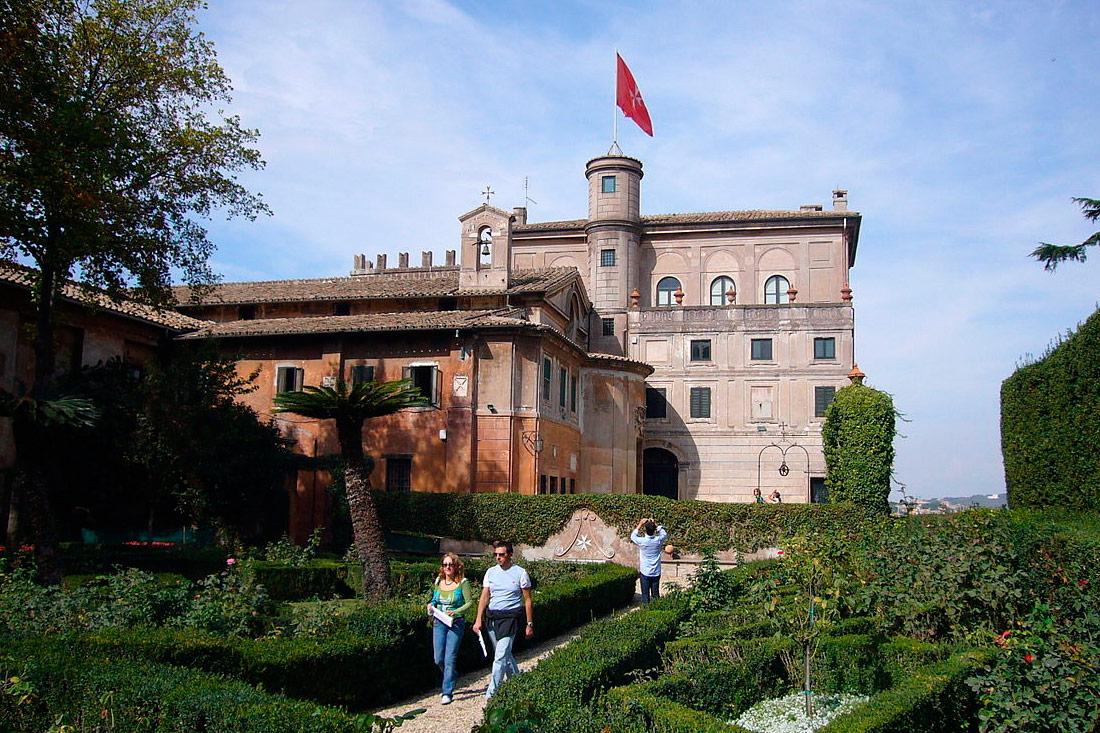
The Roman headquarters of the Sovereign Military Order of Malta, also known as the Knights of Malta, is located in a shaded courtyard lined with cypress trees, offering one of the most famous views of Rome.
Address: Piazza Dei Cavalieri Di Malta, Piazza dei Cavalieri di Malta, Rome, Italy.
National Museum Villa Giulia
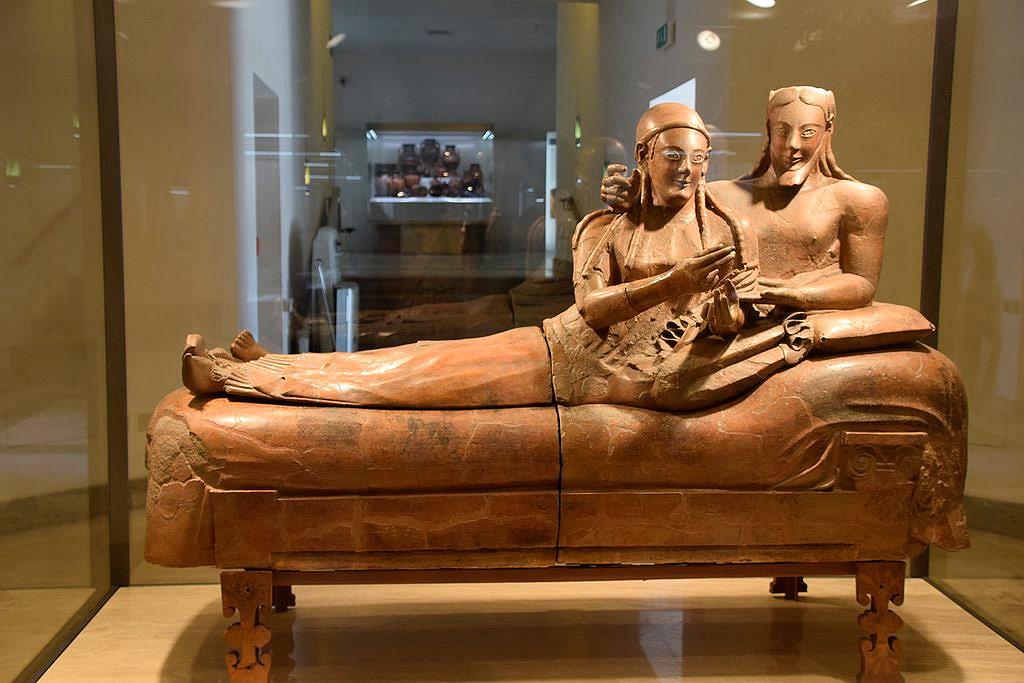
The 16th-century villa of Pope Julius III provides a charming setting for the exhibition of the finest Italian collections of Etruscan and Roman treasures. The exhibits, many of which have come from tombs in the surrounding Lazio region, range from bronze statuettes and black bucchero tableware to temple decorations, terracotta vases, and exquisite jewelry.
Highlights include a polychrome terracotta statue of Apollo from a temple in Veii and Sarcofago degli Sposi (Sarcophagus of the Spouses), discovered in 1881 in Cerveteri.
Address: Museo Nazionale Etrusco di Villa Giulia, Piazzale di Villa Giulia 9, Rome, Italy.